On Inauguration Day 2025, President Trump slammed the door on refugees and asylum seekers. On the Fourth of July that year, he locked it. Now, the Supreme Court has sealed it shut with mortar and brick. The ruling upholds the administration's sweeping restrictions, effectively ending over 250 years of U.S. tradition as a haven for the persecuted.
The policy began with a presidential proclamation on January 20, 2025, declaring an "invasion" by "aliens" at the southern border, which served as the rationale for terminating the right to apply for asylum on U.S. soil. That same day, executive orders indefinitely suspended the U.S. refugee resettlement program worldwide, closed Safe Mobility offices in Latin America where refugees were processed, ended humanitarian parole programs for Cubans, Haitians, Nicaraguans, and Venezuelans, and terminated the CBP One phone app that allowed asylum seekers to schedule border appointments. The app was later repurposed to facilitate and track so-called "self-deportations."
The lock came with the One Big Beautiful Bill Act, signed into law on Independence Day 2025. The legislation poured $46.5 billion into building the border wall and bolstering enforcement resources, along with $45 billion to triple ICE's detention and deportation capacity. The Supreme Court's decision now cements this framework, leaving few legal avenues for those seeking protection.
The ruling has sparked sharp reactions. Critics argue it abandons a core American value, while supporters say it restores border security. The decision also resonates with broader political battles, as Trump's unilateral moves draw comparisons to King George ahead of the midterms.
Among those affected are Afghan interpreters who aided U.S. forces and remain stranded in Qatar. The administration has suggested they relocate to the Democratic Republic of Congo instead. The move has drawn bipartisan concern, with some Republicans like Rep. Lawler breaking with Trump on related policies, warning of a healthcare crisis as Haitian TPS holders face termination.
The Supreme Court had previously greenlit Trump's plan to end Temporary Protected Status for Haitians and Syrians, signaling a broader shift. Now, with the asylum door sealed, the administration's immigration agenda faces fewer judicial hurdles. The decision also aligns with Trump's broader midterm strategy, as he courts farmers and rallies the Faith & Freedom Coalition amid international fallout.
Senate Democrats, led by Schumer and Warner, have demanded the administration preserve all 2026 election records amid tampering fears, while the GOP scrambles to meet Trump's demands on an election bill and defense funds. The asylum ruling is likely to intensify these partisan divides.
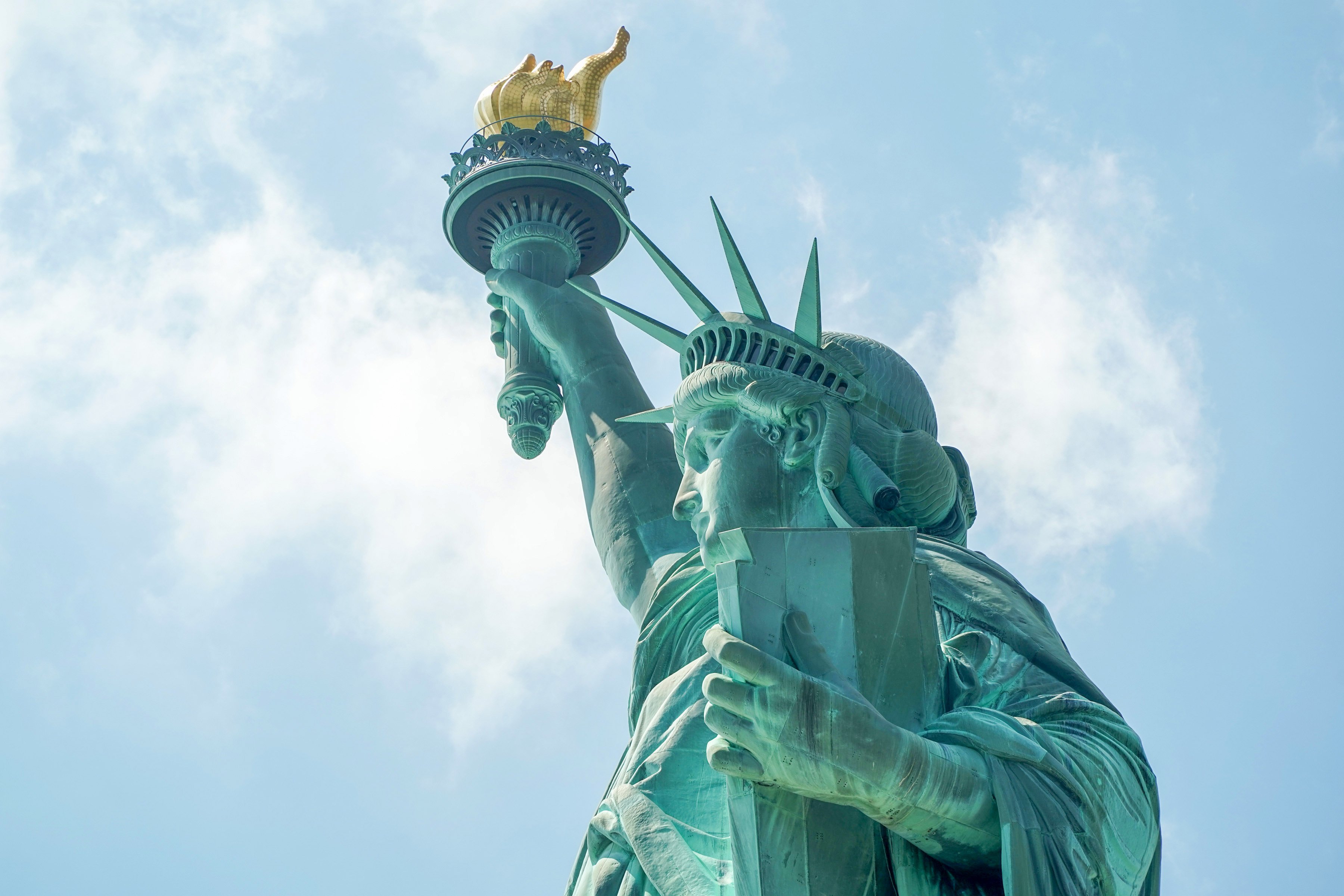
For now, the Golden Door is officially closed. The Supreme Court has bolted it shut, and the administration has laid the brick. The question remains whether this marks a permanent shift or a temporary chapter in America's fraught history with immigration.