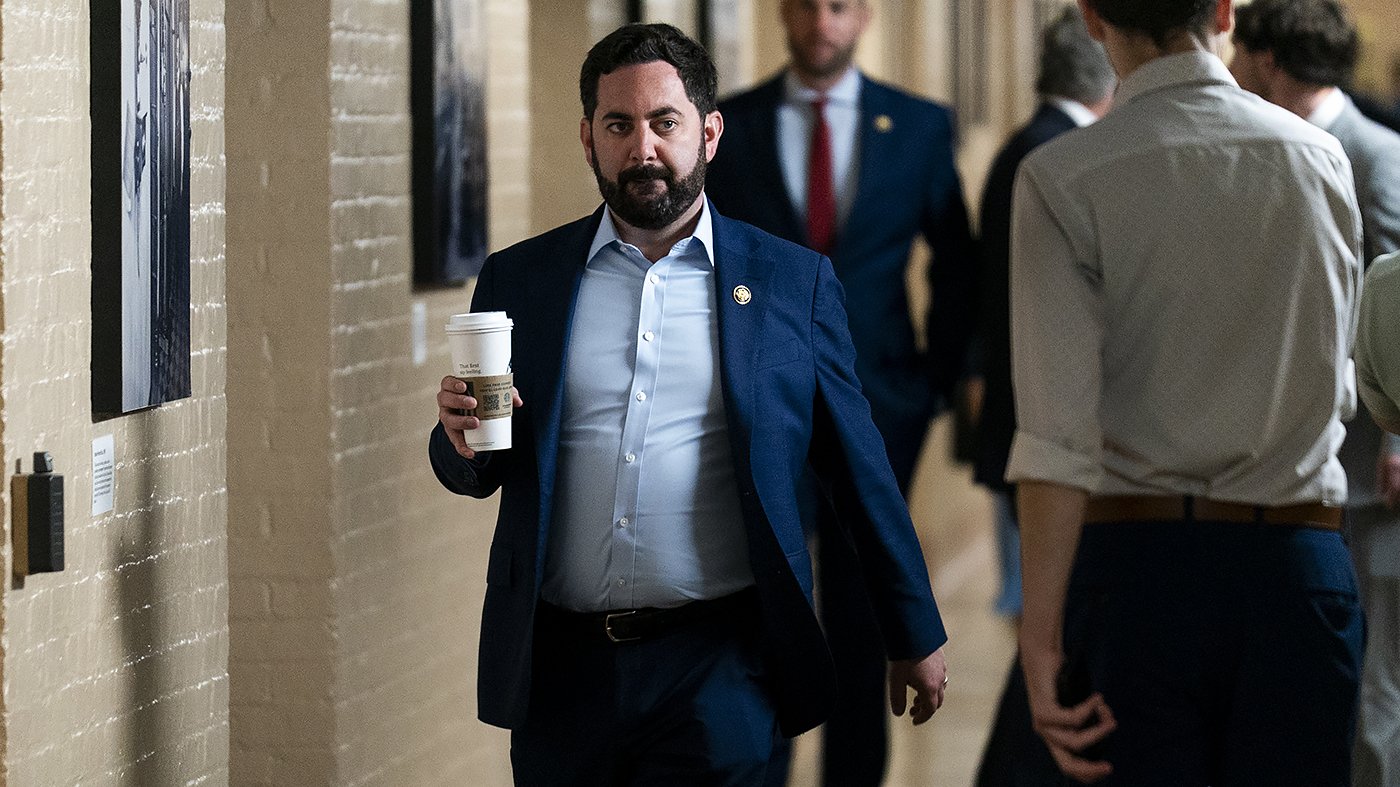
In a rare break from President Trump on immigration policy, Rep. Mike Lawler (R-N.Y.) publicly urged the administration Thursday to maintain temporary legal protections for Haitian immigrants, arguing that an abrupt termination would trigger a healthcare crisis. His plea comes days after the Supreme Court ruled 6-3 that the White House may proceed with ending Temporary Protected Status for tens of thousands of Haitians and Syrians.
TPS grants citizens of designated countries protection from deportation and a pathway to work authorization. The high court’s decision effectively greenlit the Trump administration’s plan to revoke that status for Haitians, a move Lawler said he does not dispute the president’s legal authority to make. But he insisted that the timing and execution are dangerously misguided.
“I’m asking the administration to allow for an orderly process by which Haitian TPS holders can maintain their work authorization while their immigration cases are adjudicated over the next six months, if the revocation of TPS moves forward,” Lawler wrote on X.
The New York Republican painted a dire picture of conditions in Haiti, calling the situation there “a humanitarian and political disaster” that still qualifies for protected status. He argued that the U.S. should first help stabilize the island nation by targeting the root causes of violence, including gun and drug trafficking, before cutting off protections for its citizens.
Lawler’s warning carried particular weight given his focus on the healthcare sector. “Of the 350,000+ lawful Haitian TPS holders, roughly one-third work in our healthcare system,” he noted. “Immediately shutting off TPS will create a crisis in our hospitals, nursing homes, and in the [Intellectual and Developmental Disabilities] community.”
The congressman’s stance places him at odds with many in his party who have cheered the Supreme Court’s decision as a victory for immigration enforcement. Democrats have uniformly condemned the ruling, warning it will uproot families and destabilize communities that rely on TPS workers.
Lawler’s call for a phased approach also echoes broader concerns about the economic ripple effects of a sudden loss of labor in sectors already strained by workforce shortages. The healthcare industry, in particular, has been vocal about its dependence on immigrant workers, including TPS holders who fill critical roles in nursing homes and home health care.
While Lawler stopped short of endorsing a permanent extension, his request for a six-month transition period signals a pragmatic, if cautious, departure from the administration’s hardline posture. It remains unclear whether the White House will accommodate his request or push ahead with the termination as the legal window narrows.
The debate over TPS for Haitians is unfolding against a backdrop of ongoing spending battles on Capitol Hill, where immigration policy has become a recurring flashpoint. Lawler’s intervention may test whether there is room for bipartisan compromise on a program that has long divided Republicans and Democrats.