Senate Republicans and some Democrats are increasingly concerned that another government shutdown could hit this fall, after bipartisan negotiations over spending caps collapsed this week. The breakdown forced the cancellation of committee markups on four appropriations bills that had been scheduled for Thursday, a clear sign of deepening dysfunction on Capitol Hill.
Republican lawmakers point to Senate Minority Leader Chuck Schumer (D-N.Y.) as the key obstacle, accusing him of deliberately stalling talks to set up a high-stakes funding confrontation just before the midterm elections. They argue Schumer is repeating the same strategy he used last year, when Democrats forced a bruising fight over expiring enhanced health insurance subsidies.
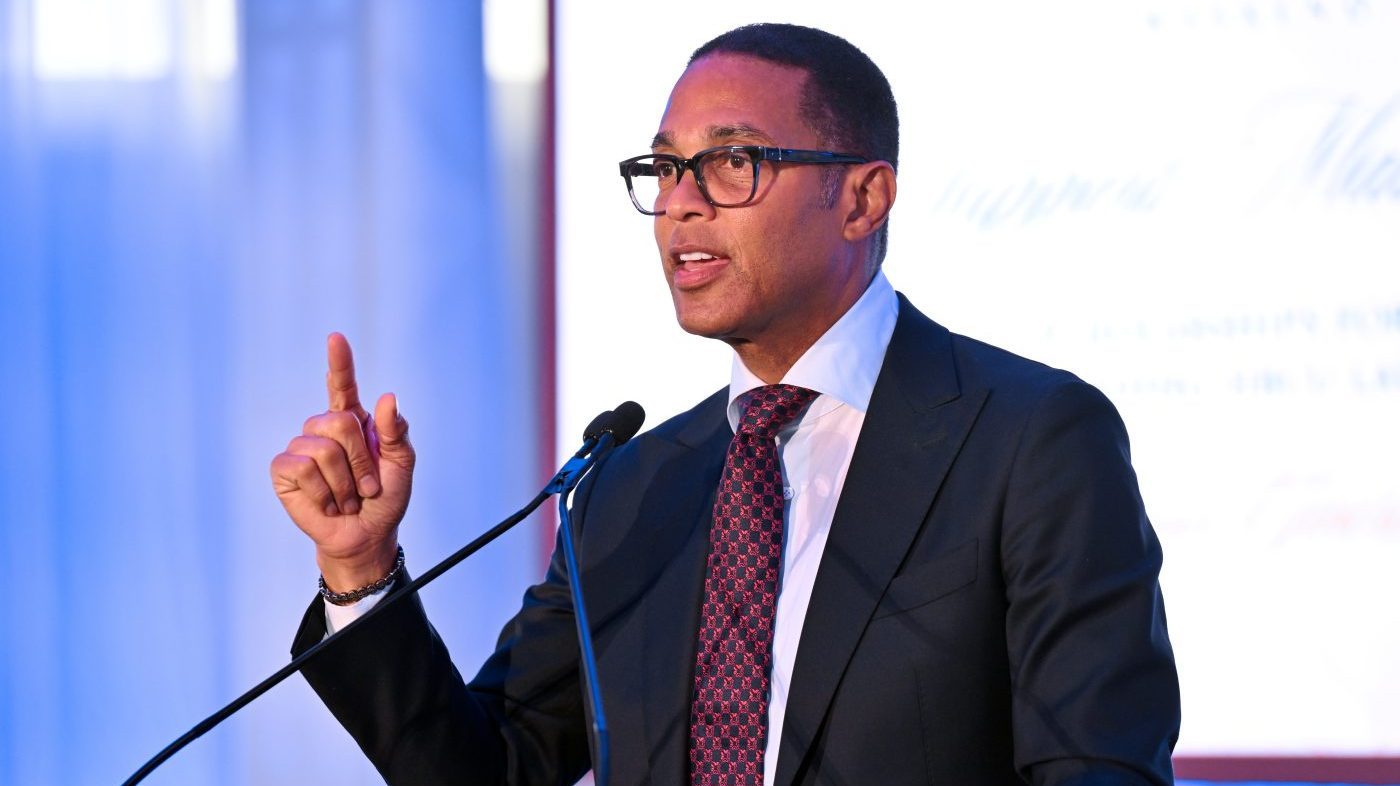
“I think my Democratic friends at the direction of Sen. Schumer are not going to agree to a top-line [spending number] and they’re not going to agree to vote for any appropriations bill, and Sen. Schumer is going to shut down government,” said Sen. John Kennedy (R-La.), a member of the Senate Appropriations Committee. His blunt assessment reflects growing frustration among Republicans who see little room for compromise.
The impasse comes as the Senate GOP moves solo on funding bills after bipartisan talks collapsed, a move that risks further alienating Democrats and hardening partisan lines. Without an agreement on overall spending levels, the appropriations process has ground to a halt, leaving little time before the fiscal year ends.
Republicans are also watching for potential intervention from former President Donald Trump, who has weighed in on other legislative battles. In a related development, Rick Scott pushes GOP shutdown plan ahead of Trump meeting, signaling that the party is preparing for a prolonged standoff.
Political Stakes Rise as Deadline Nears
The stalled talks underscore the broader paralysis gripping Congress, where divided government threatens to paralyze congressional oversight and basic governing functions. With both chambers narrowly split, any spending bill will require bipartisan support to pass, but trust between the parties is at a low ebb.
Democrats, for their part, insist they are negotiating in good faith but argue that Republicans are unwilling to accept reasonable spending levels. They note that the GOP has refused to agree to a top-line number that accounts for inflation and pressing domestic needs, leaving little room for compromise.
The standoff carries significant political risk for both parties. A shutdown just weeks before the midterm election could galvanize voters angry at Washington dysfunction, but it could also backfire if the public blames one party over the other. Republicans are betting that Schumer will ultimately cave, but they are also bracing for a prolonged fight that could disrupt government services and military pay.
As the calendar ticks toward the end of the fiscal year, lawmakers face mounting pressure to find a path forward. For now, the appropriations process remains in limbo, with no clear resolution in sight and the specter of another shutdown looming larger by the day.