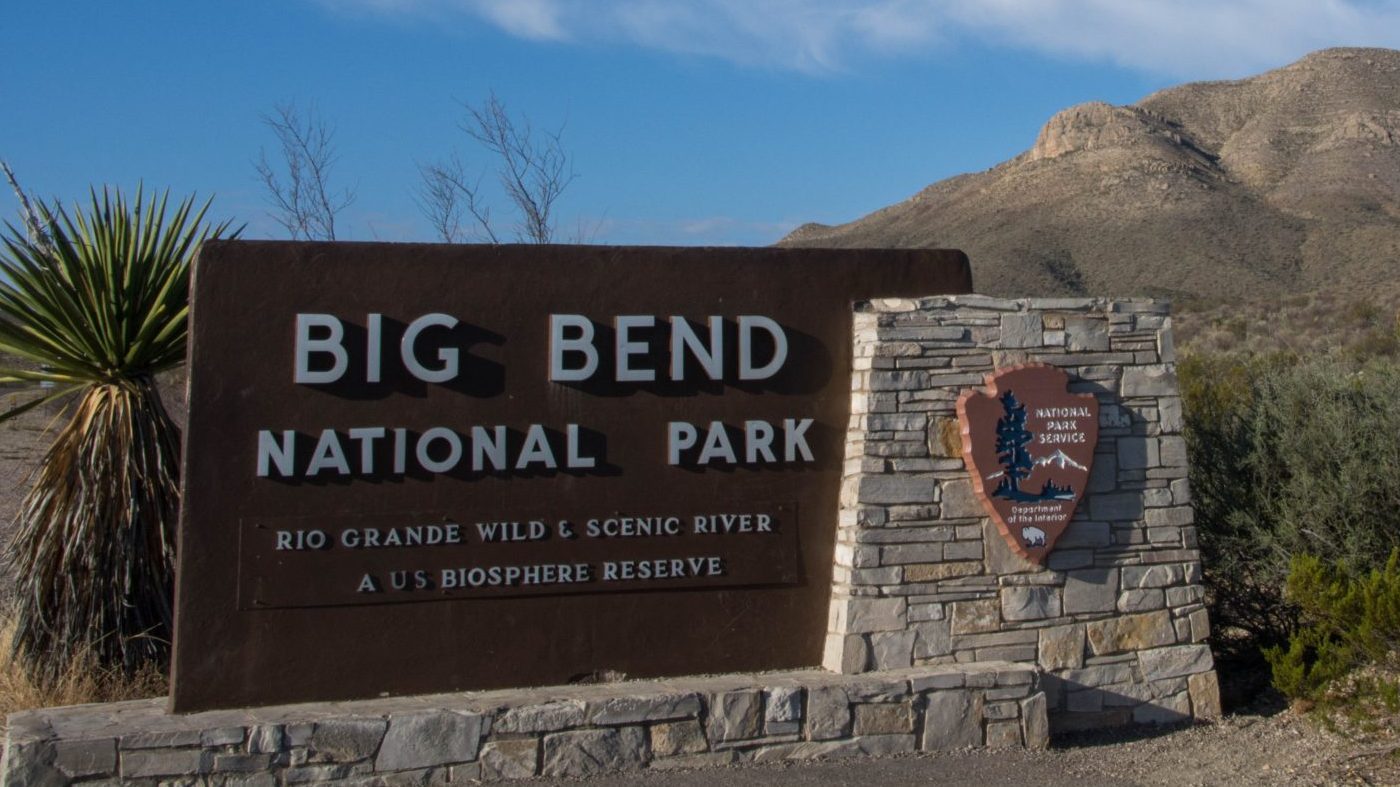
Customs and Border Protection is pushing back against criticism from both parties over its activities at Big Bend National Park, insisting that the work underway is limited in scope and not the construction of a massive border barrier.
Commissioner Rodney Scott issued a statement emphasizing that the agency is not building a 30-foot wall or installing stadium lighting across the park, which spans the Rio Grande in West Texas. Instead, he said, the work involves one new access road, upgrades to existing roads, deployment of detection technology, and placement of vehicle barriers in select locations.
“We are NOT building a 30-foot wall or stadium lighting through Big Bend National Park, Big Bend Ranch State Park, or the Black Gap Wildlife Management Area,” Scott said, using capital letters for emphasis.
The clarification comes as construction has drawn scrutiny from local officials and even some Republicans, including Sen. John Cornyn of Texas, who has raised concerns about the impact on the park’s landscape and the region’s tourism-dependent economy. The park is known for its rugged mountain terrain, river canyons, and desert vistas.
Scott described the current phase as “survey and design work—NOT construction of a wall through the park.” He stressed that the efforts are meant to help agents identify illegal crossings and assist visitors in distress, while also preserving the natural environment and maintaining access for the public and local businesses.
The border barrier project has been a long-standing priority for former President Donald Trump, and the push to expedite it continues. Earlier this year, then-Homeland Security Secretary Kristi Noem waived a series of environmental laws to speed up construction in the region, a move that has drawn legal challenges alongside the construction plans themselves.
Critics argue that the waivers undermine protections for sensitive habitats and that the barriers could disrupt wildlife corridors and the park’s wilderness character. Supporters counter that enhanced border security is necessary to curb illegal immigration and drug trafficking in the remote area.
As the legal battles play out, CBP is attempting to frame its work as a measured approach, but the controversy shows no signs of fading. The agency’s assurances have done little to quell concerns from lawmakers and environmental groups who see the project as a step toward a larger wall.
The situation at Big Bend is part of a broader pattern of border infrastructure disputes, with similar tensions emerging in other national parks and protected lands along the southern border. For now, CBP is holding its ground, insisting that its actions are both lawful and necessary.