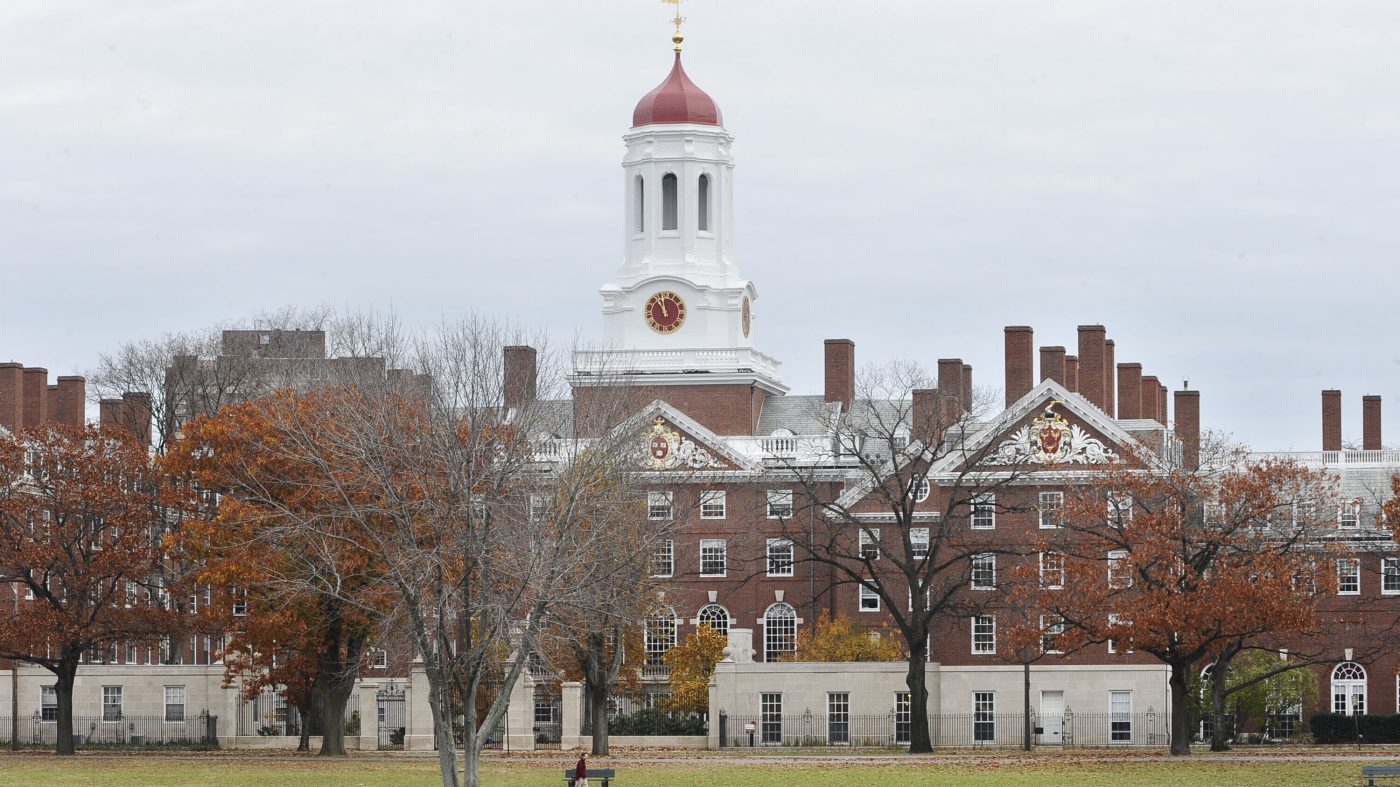
A federal judge on Thursday dismissed the Trump administration's civil rights lawsuit against Harvard University, which had accused the school of failing to address antisemitism on campus. U.S. District Judge Richard Stearns ruled that the alleged incidents did not amount to a persistent violation of Title VI of the Civil Rights Act of 1964.
In his ruling, Stearns wrote, "Without diminishing any concern arising from these occurrences, the court finds them, singly and collectively, to be too isolated and episodic to support a plausible inference that any institutionalized noncompliance with Title VI persists at Harvard to this day." The judge, a Clinton appointee sitting in Massachusetts, did not address Harvard's additional argument that the lawsuit was a pretext and amounted to retaliation in violation of the First Amendment.
The Trump administration has targeted Harvard and other elite universities in a broader push to eliminate diversity programs. The Department of Justice filed the lawsuit in March, part of a months-long campaign to pressure Harvard into a settlement—something other universities have done. Harvard, however, has resisted those demands and continues to fight the administration in court. Other legal battles remain ongoing, including an appeal concerning billions of dollars in federal funding the school receives.
The case alleged that Harvard violated Title VI by failing to protect Israeli and Jewish students. It accused the university of "rewarding" protests that erupted on campus amid the Israel-Hamas war and allowing demonstrators to restrict students' access to classrooms. The DOJ also claimed Harvard fostered a "hostile education environment," with some Jewish students reportedly concealing their yarmulkes with baseball caps.
Stearns concluded that the allegations were insufficient to show an ongoing violation of the landmark civil rights law. He also found that the DOJ could not seek damages because the law requires the administration to first issue a formal warning to the school. A notice was sent in June 2025, but the lawsuit focused on earlier incidents. The Trump administration argued that this requirement makes it virtually impossible for the government to ever win a damages claim.
In his opinion, Stearns wrote, "Even in the Government's fevered forewarning of potential havoc, it concedes that its own hypothetical result is a positive, if roughly achieved, outcome."
The Hill has reached out to the DOJ and Harvard for comment. This ruling comes amid other high-profile legal battles involving the administration and educational institutions, including a separate case over youth safety and social media platforms, which has drawn attention to how courts handle complex federal claims.