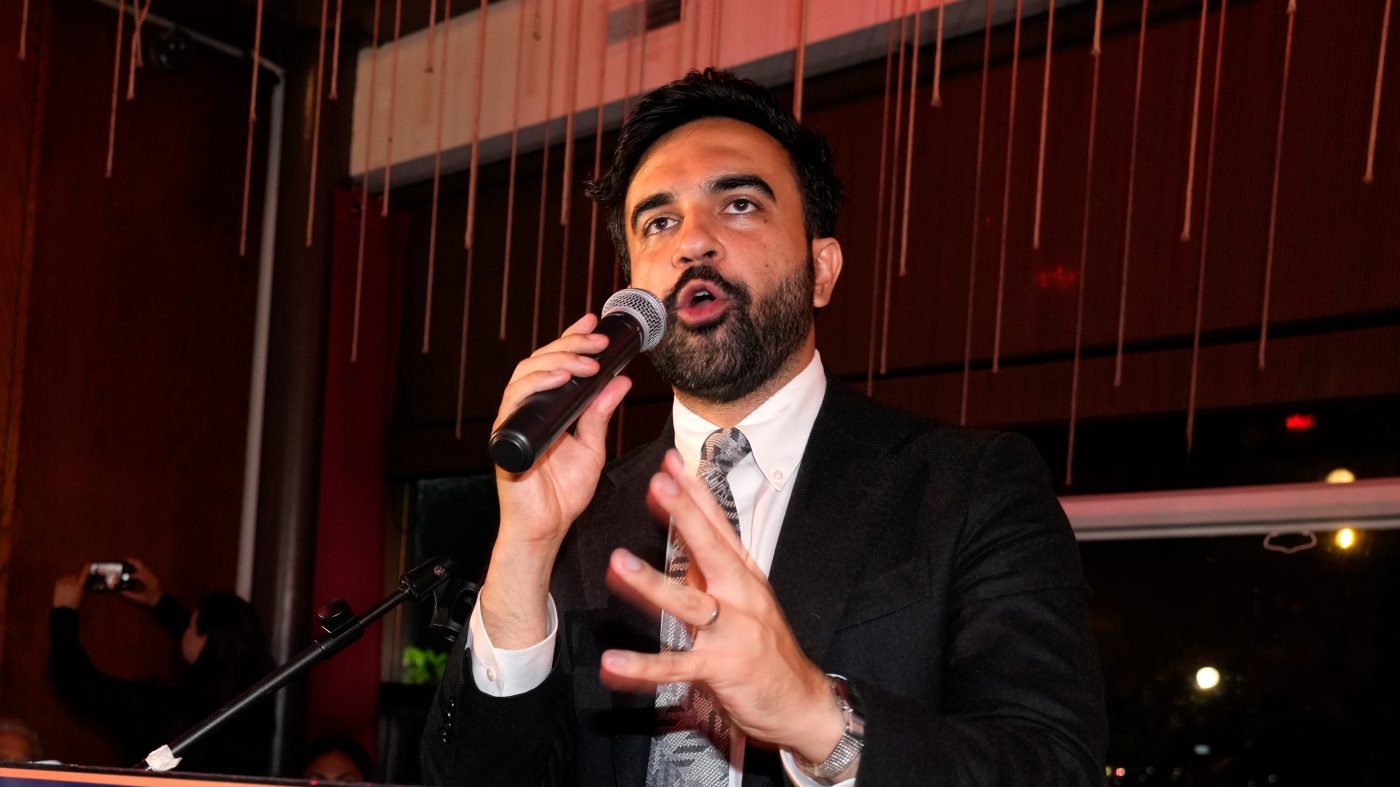
New York City Mayor Zohran Mamdani (D) declared Wednesday that voters in state and federal primaries have sent a clear message: they are done with the political establishment. Speaking on MS Now’s “All In with Chris Hayes,” Mamdani pointed to the victories of three candidates he backed for the U.S. House and six for the New York State Assembly as proof of a growing appetite for change.
“I think what you’ve seen from New Yorkers, whether it’s in Brad’s race, Darializa’s race, or Claire’s race, is an exhaustion with status quo politics and a desire for something that actually responds to the needs that they have in their own districts,” Mamdani said.
The mayor’s slate scored notable upsets, with former city comptroller Brad Lander and Darializa Avila Chevalier defeating incumbent Democratic Reps. Dan Goldman and Adriano Espaillat in the 10th and 13th Congressional Districts, respectively. State Rep. Claire Valdez (D) also secured her primary, though she did not face an incumbent.
The results have reshaped the Democratic landscape in New York, particularly in the House races. Lander’s victory over Goldman, a first-term moderate, and Avila Chevalier’s ouster of Espaillat, a veteran progressive, signal a shift to the left in key districts. Mamdani's primary sweep is already reshaping House contests, setting up a general election battle that could test the party's unity.
Avila Chevalier, a democratic socialist who has faced criticism from opponents labeling her a “communist,” has refused to engage with that label. She dismissed the attacks as a distraction from her focus on housing, healthcare, and economic justice.
The mayor’s influence was on full display, but not without controversy. New York Attorney General Letitia James blasted Mamdani for what she called “blowing up” the Democratic Party with socialist endorsements, arguing his strategy could alienate moderate voters. James accused Mamdani of prioritizing ideological purity over party cohesion.
Mamdani’s DSA-backed slate has tested the limits of left-wing power in New York City, where the mayor has sought to build a coalition that challenges both Republican and establishment Democratic figures. The results suggest that, at least in primary elections, his brand of politics is gaining traction.
The Assembly races saw six Mamdani-endorsed candidates win their primaries, most of whom defeated incumbent leaders. While the mayor did not specify which seats were flipped, the sweep underscores the depth of his organizational strength and the appeal of his message among Democratic primary voters.
Political analysts note that the primaries are only the first step. The general election in November will test whether these victories can translate into broader support, especially in swing districts. But for now, Mamdani is claiming the mantle of change, positioning himself and his allies as the antidote to a system many voters see as unresponsive.
As the dust settles, the mayor’s challenge will be to maintain momentum while managing internal party divisions. The question remains whether his brand of democratic socialism can sustain its appeal beyond the primaries and into a general election where the electorate is more diverse.