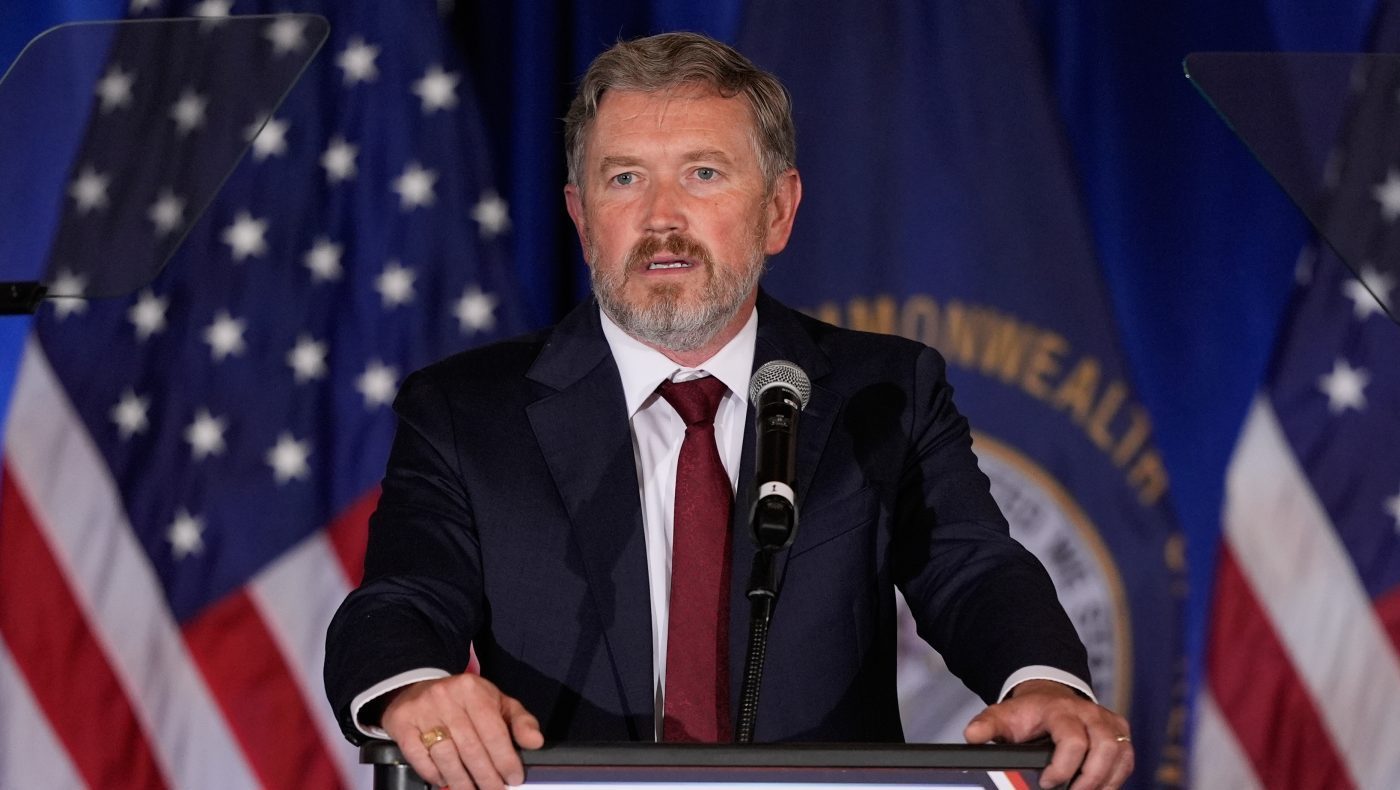
A rapid new revolving door has emerged in Washington, one that spins not between government and lobbying firms, but between public office and the podcast studio. This phenomenon is fundamentally altering political power dynamics, particularly within the conservative movement, where media personalities now command audiences that dwarf traditional party apparatus.
The New Revolving Door
The career of Dan Bongino exemplifies this shift. He moved from hosting a popular podcast to serving as deputy director of the FBI, only to return to broadcasting within a year. This is not an isolated incident but a structural change in American politics. As author Naomi Klein observed in a recent interview, this dynamic stems from the political ascent of media celebrity, notably embodied by former President Donald Trump. She describes these platforms as part of the "mirror world of the new MAGA right," a parallel media ecosystem with its own rules and leaders.
Volatile Allegiances and Populist Appeals
This ecosystem fosters remarkable volatility. Figures like Nick Fuentes, whose rhetoric once aligned tightly with Trump's MAGA movement, now use their podcasts to critique Trump from a populist angle. Fuentes has argued that while Trump may benefit Israel, the oil industry, Silicon Valley, and Wall Street, he questions whether Trump's policies truly help his own base, citing student loan forgiveness as a Democratic policy he appreciates. His stance underscores a potential new political alignment forming outside traditional party loyalty.
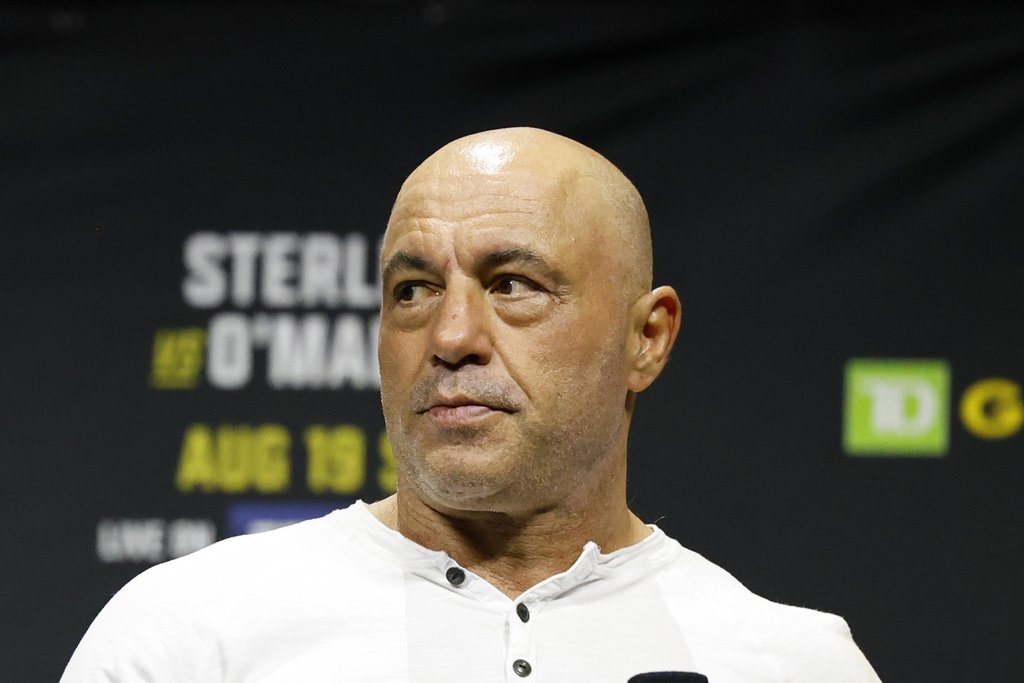
The most potent example is Joe Rogan, whose podcast audience makes him arguably the most influential broadcaster in politics. A key figure in Trump's 2024 coalition, Rogan has recently expressed disillusionment with the MAGA movement's adherents, calling them "a bunch of f--- dorks." His journey from supporting Senator Bernie Sanders to amplifying Trump and now criticizing his movement's base encapsulates the fickle nature of influence in this new media landscape. Platforms no longer guarantee loyalty; they provide leverage to lead the next political parade.
Democratic Disconnect and Institutional Erosion
Democrats have largely failed to engage with this reality. Vice President Kamala Harris's refusal to appear on Rogan's show may one day be viewed as a strategic misstep akin to Hillary Clinton's 2016 campaign decisions. The core lesson is that the MAGA media sphere is now receptive to leadership beyond Trump and his inner circle. The ongoing public feud between Candace Owens—a personality with nearly six million YouTube subscribers—and the organization that helped elevate her, Turning Point USA, demonstrates this internal fracturing. Owens's allegations, however outlandish, highlight a critical truth: new media rewards escalation and sensationalism to drive subscriptions, not institutional restraint.
Authority is no longer derived solely from established parties reflecting voter concerns. It is increasingly generated by algorithms designed to animate online audiences, producing a constant stream of clips and content aimed at clicks and subscriptions. This has tangible consequences. As noted by FCC Chair Brendan Carr, the conservative media war is being won through these direct, unmediated channels, a strategy the Trump administration pioneered with tools like its official mobile app to bypass traditional media.
Political Exodus and the Podcast Pipeline
Facing a challenging electoral cycle and internal churn, a wave of Republican officials is eyeing the exit. As of last week, 68 members of Congress—including 11 senators and 57 House members—have announced they will not seek re-election. Many are Republicans reading the shifting media landscape as a sign of Democratic momentum. For figures like departing Representative Sam Graves, the former chair of the Transportation Committee, podcasting offers a new career path and a potential platform to demonstrate loyalty to Trump, possibly in hopes of future political favors.
The deeper transformation is the complete collapse of the line between right-wing media and political action. Had Democrats heeded the rise of Rush Limbaugh in the late 1980s, they might have foreseen the Republican Revolution of 1994. Similarly, a more serious analysis of the "manosphere," the influence of MAGA-aligned podcasters during Trump's first term, and the potency of Steve Bannon's "War Room" during the COVID-19 pandemic might have revealed the pathway for Trump's 2024 political resurgence.
This evolving landscape occurs alongside other significant political pressures, including controversial federal actions regarding voter rolls and deep partisan splits over government funding. As the 2026 and 2028 elections approach, Democrats must confront a political arena where podcast hosts wield more immediate influence than many elected officials, and where the next party leader could emerge not from a primary, but from a studio.