The National Oceanic and Atmospheric Administration’s Space Weather Prediction Center has issued geomagnetic storm watches for Monday and Tuesday, following a significant solar flare over the weekend. The M1.8-class flare, detected Saturday, was accompanied by a coronal mass ejection (CME) that is now racing toward Earth.
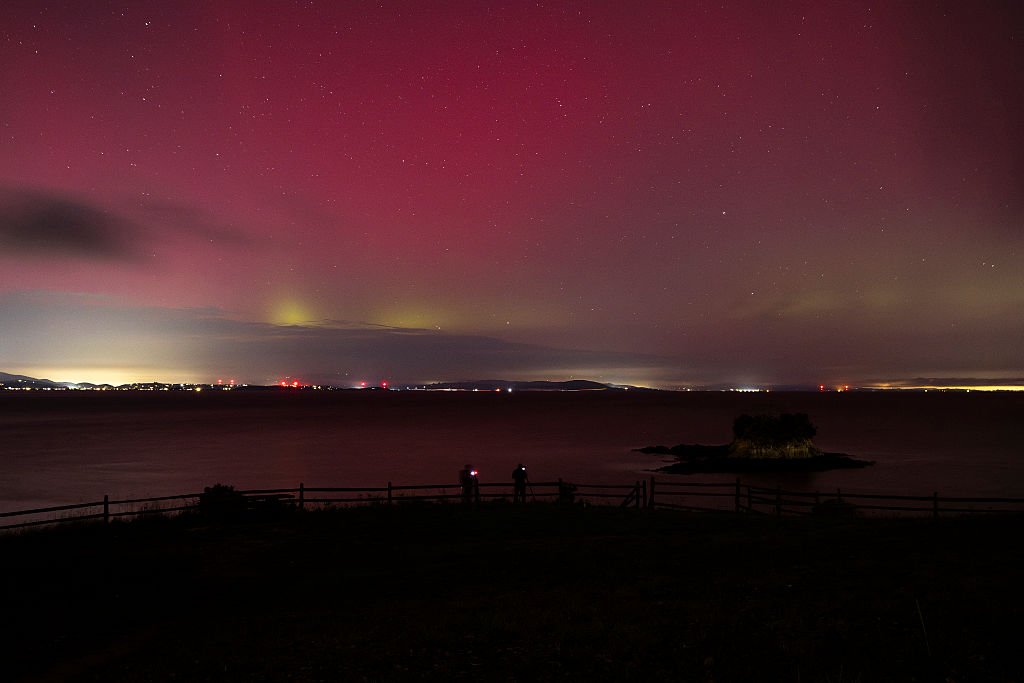
If the CME interacts with Earth’s magnetic field as expected, it could produce vivid displays of the northern lights, or aurora borealis, particularly across northern-tier US states. Forecasters caution that the timing and intensity remain uncertain, but the window for potential visibility opens Monday evening.

“The CME is moving quickly, and we’re monitoring its trajectory closely,” said a NOAA spokesperson. “If conditions align, viewers in northern latitudes could see aurora activity as early as Monday night.”
This event follows a pattern of increased solar activity as the Sun approaches the peak of its 11-year cycle. Recent solar storms have already sparked aurora displays in regions not typically accustomed to such phenomena.
The watches, which upgrade to warnings if geomagnetic storm thresholds are reached, cover both Monday and Tuesday. The M1.8 flare is moderate on the solar flare scale, but its associated CME carries enough energy to disturb Earth’s magnetosphere.
For those hoping to catch a glimpse, experts recommend heading away from city lights, looking north after dusk, and checking local aurora forecasts. Clear skies will be crucial, as cloud cover could obscure the show.
While geomagnetic storms can disrupt satellite communications and power grids, this event is not expected to cause major infrastructure issues. NOAA continues to track the CME’s progress and will issue updates as needed.
Political fallout from space weather events is minimal, but the spectacle often draws public attention to federal agencies like NOAA and their role in monitoring solar activity. Earlier warnings about solar flares have highlighted the importance of preparedness for more severe space weather.