A group of Republican senators is pushing to elevate the U.S. Coast Guard's leadership structure by creating a dedicated secretary position, a role currently absent in the service. The proposed Coast Guard Leadership Modernization Act, introduced by Senators Rick Scott (R-Fla.), Dan Sullivan (R-Alaska), and Tommy Tuberville (R-Ala.), would establish a secretary of the Coast Guard who reports directly to the Department of Homeland Security (DHS) secretary.
Under the legislation, the new secretary would assume many of the Coast Guard's interactions with the Pentagon, streamlining coordination between the service and the Defense Department. The bill aims to bring the Coast Guard in line with other military branches, which each have their own service secretary overseeing operations and policy.

“The Coast Guard has a unique and highly specialized mission to protect our country from threats posed by smugglers, drug traffickers, terrorists, and other lawbreakers, and it deserves a service secretary to oversee and coordinate its operations, just like every other branch of the military,” Scott said in a statement.
The Coast Guard currently operates without a dedicated leadership position at the secretary level, a gap that supporters argue hampers its effectiveness. Tuberville emphasized the strategic importance of the change, saying, “The men and women of the U.S. Coast Guard are critical to our national defense and security, which is why they deserve the same strategic organization as other branches of our military. Having a permanent Coast Guard Secretary will make the organization even more effective and enhance our national security.”
The push comes amid broader debates over military leadership and organization. Last year, former DHS Secretary Kristi Noem and Defense Secretary Pete Hegseth both voiced support for creating a Coast Guard secretary position, particularly as the U.S. military expanded its presence in the Southern Command area of operations. The Coast Guard plays a key role in homeland security, drug interdiction, and search-and-rescue missions, often operating alongside the Navy and other services.
The bill also reflects ongoing concerns about the Coast Guard's place within the federal bureaucracy. Currently part of DHS, the service must navigate dual chains of command—one civilian, one military—without a single senior civilian advocate. Proponents argue that a dedicated secretary would give the Coast Guard a stronger voice in budget negotiations and policy decisions, similar to the Army, Navy, and Air Force secretaries.
The legislation arrives as some GOP senators have expressed unease over broader military reforms and leadership shakeups. For instance, GOP senators have voiced concerns about exit strategies in potential conflicts, and Senator Susan Collins criticized Hegseth's mass firings of senior officers, arguing they undermined meritocracy. The Coast Guard bill, however, has drawn bipartisan interest given the service's nonpartisan mission.
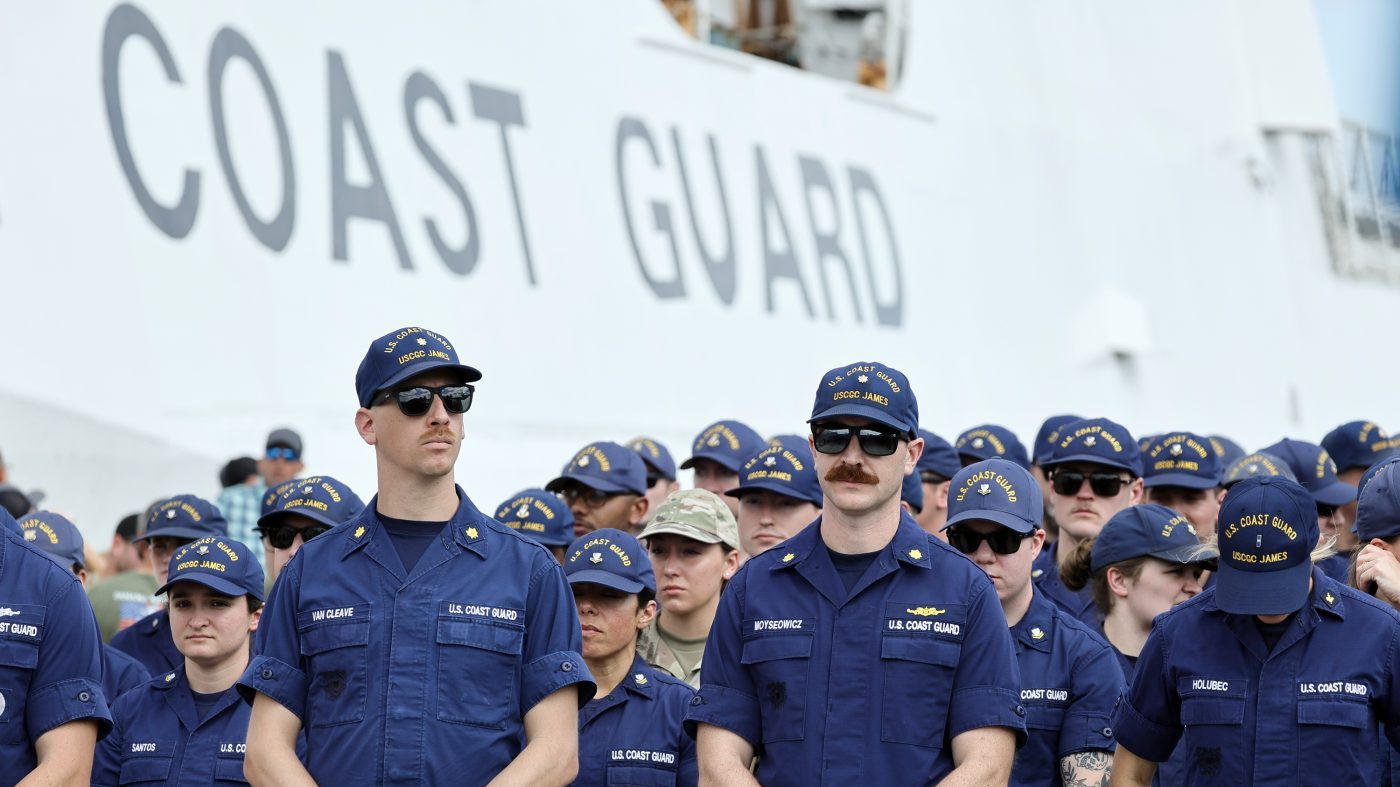
If enacted, the Coast Guard Leadership Modernization Act would mark a significant structural change for the smallest armed service, which has roughly 42,000 active-duty personnel. It would also require adjustments to DHS's organizational chart, as the new secretary would oversee day-to-day operations while the DHS secretary retains ultimate authority.
The bill is in its early stages, with no immediate schedule for committee hearings or floor votes. But its sponsors are betting that the Coast Guard's high-profile role in border security and disaster response will build momentum. Meanwhile, other GOP senators have criticized media deals that they say undermine public trust, underscoring the party's focus on institutional integrity.