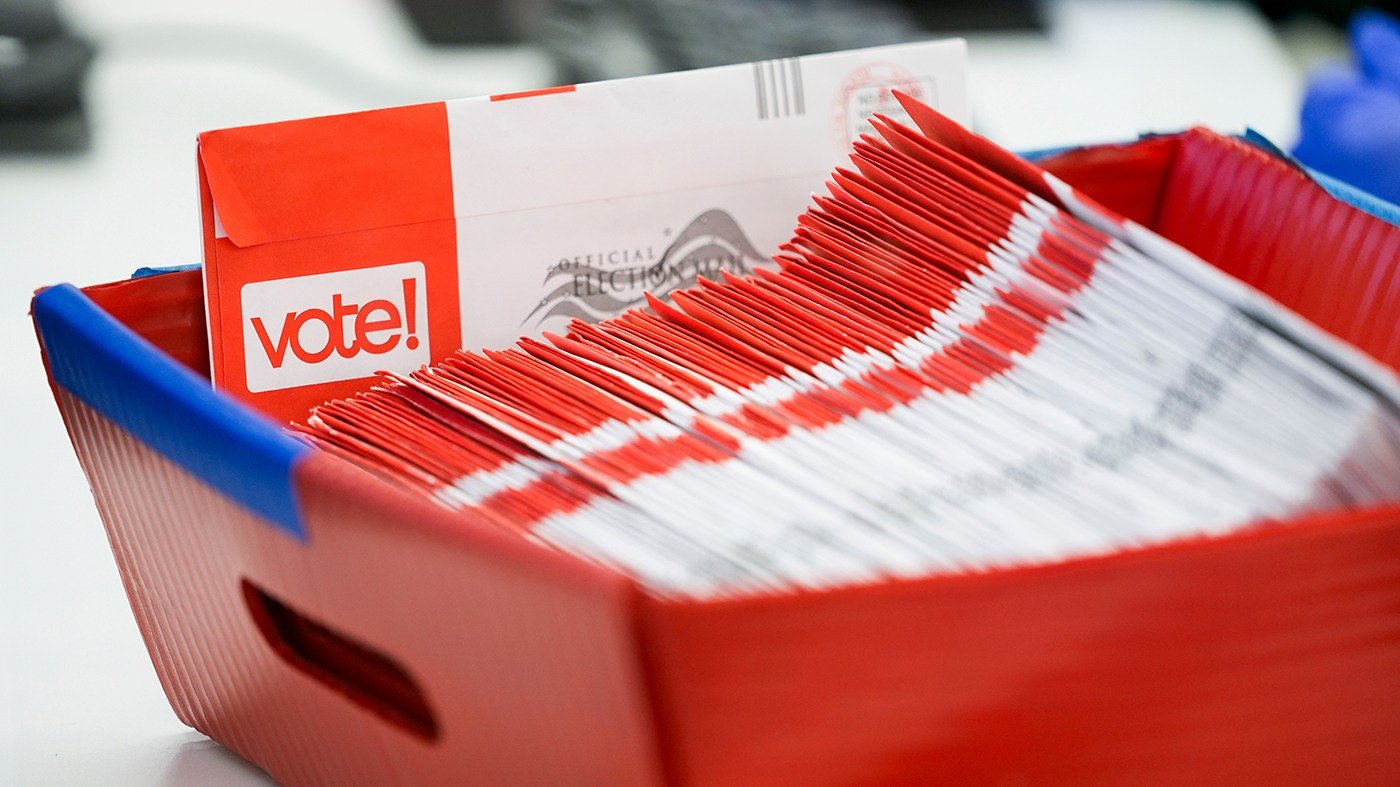
The Trump administration has again turned to the Supreme Court, filing an emergency application on Sunday to permit the U.S. Postal Service to restrict mail-in ballot distribution in the upcoming election cycle. The move escalates a legal battle over the administration's policy that would bar the USPS from sending ballots to states that have not provided citizenship-based voter eligibility lists.
Solicitor General D. John Sauer submitted the 40-page filing, arguing that the policy is within the USPS's authority and does not interfere with state election administration. The request comes after U.S. District Judge Indira Talwani, an Obama appointee, issued a preliminary injunction on Friday blocking the plan. That ruling came as North Carolina began mailing ballots, a timing point Sauer highlighted in his filing.
The administration's latest appeal supersedes an earlier stay request filed on Thursday, which was withdrawn. The Supreme Court, currently in recess, will handle the matter on an expedited basis, with Justice Ketanji Brown Jackson assigned to the new application.
In his filing, Sauer wrote that the rule "is a valid exercise" of the Postal Service's authority and "does not regulate state administration" of elections. He emphasized that the rule "ensures that States remain responsible for determining voter eligibility and eligibility to vote by mail, and it does not dictate ballot content, mailing or receipt deadlines, or ballot-counting procedures." He further argued that the rule "plainly does not seize control of States' administration of elections — it simply imposes reasonable preparation requirements for certain election-related mail."
Opponents, however, view the policy as an unconstitutional attempt to suppress voting. Sophia Lin Lakin, director of the ACLU's Voting Rights Project, called the policy "unconstitutional" and accused the administration of "running" to the Supreme Court to bypass lower court rulings. "The only emergency here is the one the administration created," Lakin said, noting that the temporary order "preserves the voting procedures Americans have relied on for years, and it should stand."
The legal fight involves two consolidated cases: one brought by a coalition of Democratic-led states against the USPS, and another by the League of Women Voters of Massachusetts. The administration's emergency request seeks to stay Talwani's injunction while appeals proceed.
This is not the first time the administration has sought Supreme Court intervention on election-related matters. The justices have recently weighed in on other voting disputes, including a redistricting case from Missouri and a controversial abortion pill case that has drawn parallels to executive overreach.
The administration's push comes amid broader concerns about voting access, with data showing disproportionate impacts on vulnerable populations from recent policy changes. Critics argue the USPS rule could disenfranchise voters in states that have not yet compiled citizenship data, potentially affecting thousands of ballots.
The Supreme Court's decision, expected in the coming days, will determine whether the USPS can implement the restriction for the November election. Legal analysts note the expedited timeline suggests the justices recognize the urgency, but the outcome remains uncertain given the court's conservative majority.
The administration maintains the rule is a reasonable measure to ensure election integrity, while voting rights advocates warn it could create chaos and disenfranchisement. The case now rests with the highest court, which must balance these competing concerns before ballots are mailed in many states.