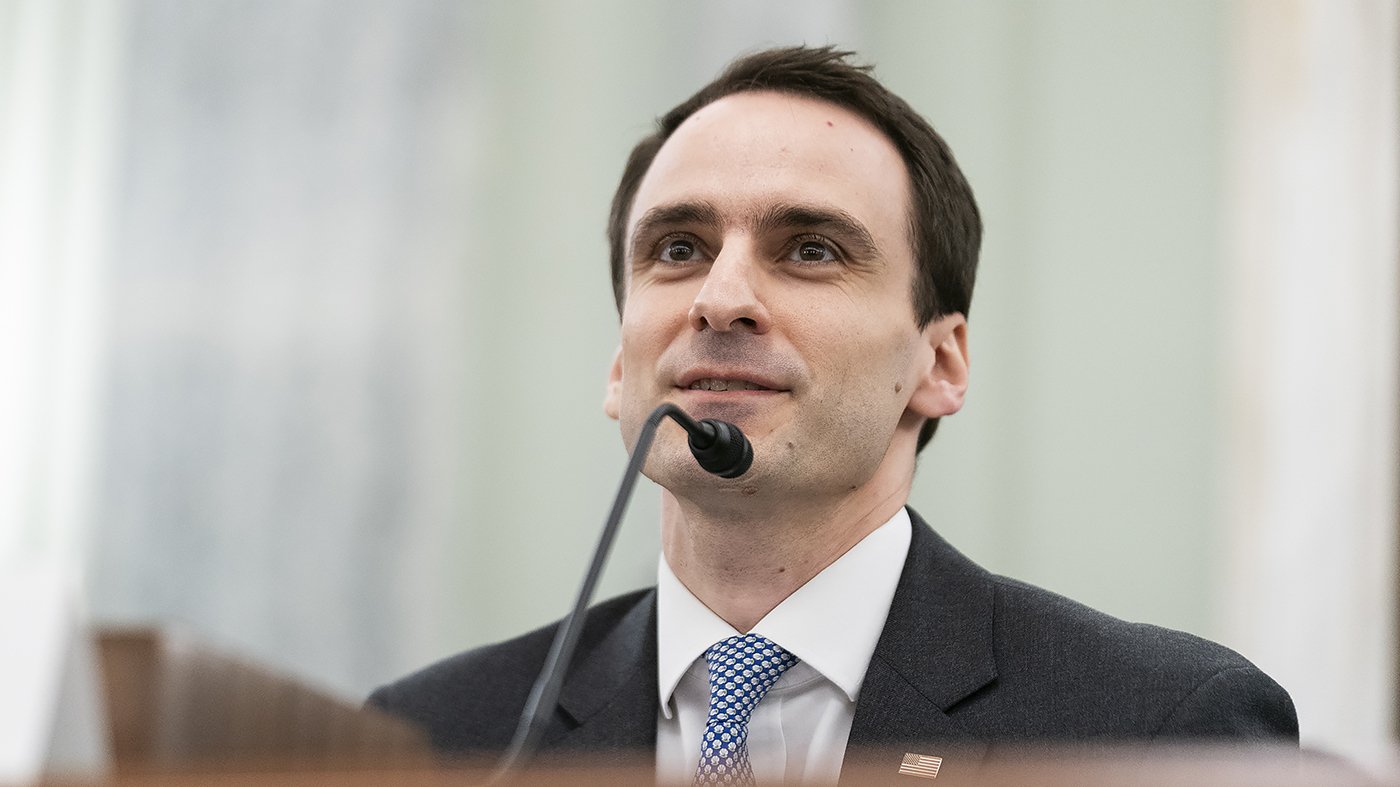
The Trump administration escalated its confrontation with Beijing over artificial intelligence on Wednesday, as a top White House official directly accused a Chinese startup of stealing proprietary U.S. technology and evading export controls to build its latest AI model.
Michael Kratsios, director of the White House Office of Science and Technology Policy, alleged that Moonshot AI used a technique known as distillation to copy knowledge from Anthropic’s Fable model, producing its own Kimi K3 system. Distillation allows a smaller model to inherit capabilities from a larger one, but Kratsios said the company went beyond legitimate research.
“To do this they developed a sophisticated internal platform to conduct large scale distillation against U.S. models, allowing them to quickly switch between multiple methods of access to avoid detection,” Kratsios wrote on X. The accusation marks one of the most direct charges of AI theft from a senior administration figure.
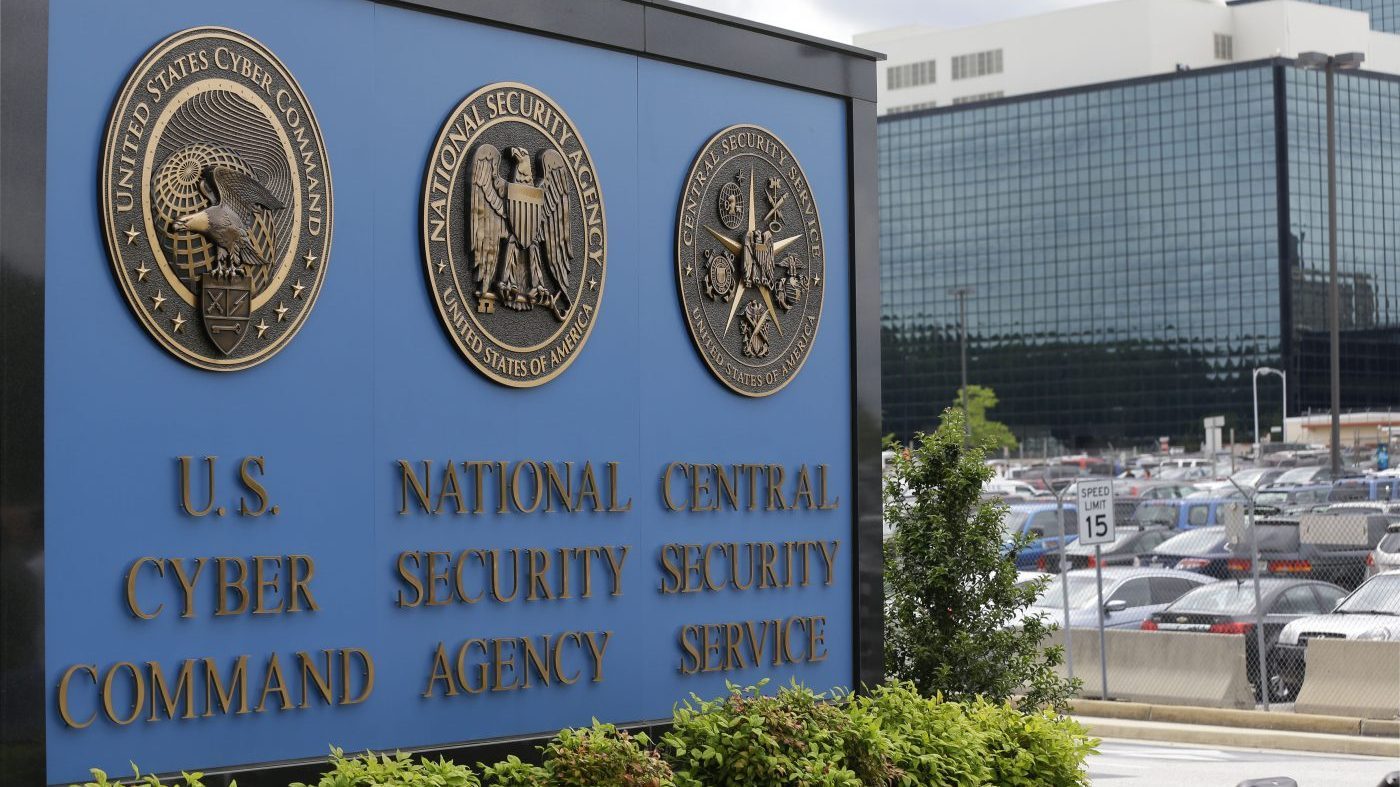
Kratsios also asserted that Moonshot had acquired servers equipped with Nvidia’s GB300 system, which contains the company’s most advanced Blackwell chips—technology that is barred from sale to China. The highest-level chip currently licensed for export to China is the H200. The official further claimed that Moonshot accessed the same system in Thailand, suggesting it was used to train the firm’s AI models.
The allegations come days after Moonshot released Kimi K3, which the company claims performs on par with leading models from Anthropic and OpenAI. The rapid progress has fueled concerns in Washington that China is narrowing the gap in a technology seen as critical to economic and national security.
“The United States strongly supports the free and fair development of AI, including a thriving competitive ecosystem that spans frontier models, specialized systems, open-source frameworks, and open-weight models,” Kratsios said in a statement. “Legitimate AI distillation used to create smaller, more efficient models plays a vital role in this open innovation ecosystem. However, large-scale, covert industrial distillation aimed at stealing proprietary U.S. technology and undermining American research is unacceptable.”
The administration’s pushback extends beyond the White House. Treasury Secretary Scott Bessent warned Tuesday that the Trump administration could impose sanctions on China over intellectual property theft if evidence emerges of “stealing from our great companies.” Speaking on Fox Business, Bessent said, “We are finding watermarks of our U.S. large language models on many of the Chinese models, and that’s unacceptable. So we’re going to be looking at that in the coming days or weeks.”
The accusations are part of a broader pattern. The administration has previously threatened sanctions over Chinese AI model theft, and the latest charges add weight to calls for tougher enforcement of export controls. Critics argue that the current licensing regime, which permits H200 sales but bans Blackwell chips, leaves loopholes that allow Chinese firms to acquire restricted hardware through third countries.
Moonshot AI has not responded to requests for comment. The company’s rise underscores the stakes in the AI race, as both nations vie for dominance in a technology that could reshape everything from military strategy to global commerce. The White House has signaled it will not tolerate what it views as systematic theft, but the effectiveness of its enforcement remains an open question.