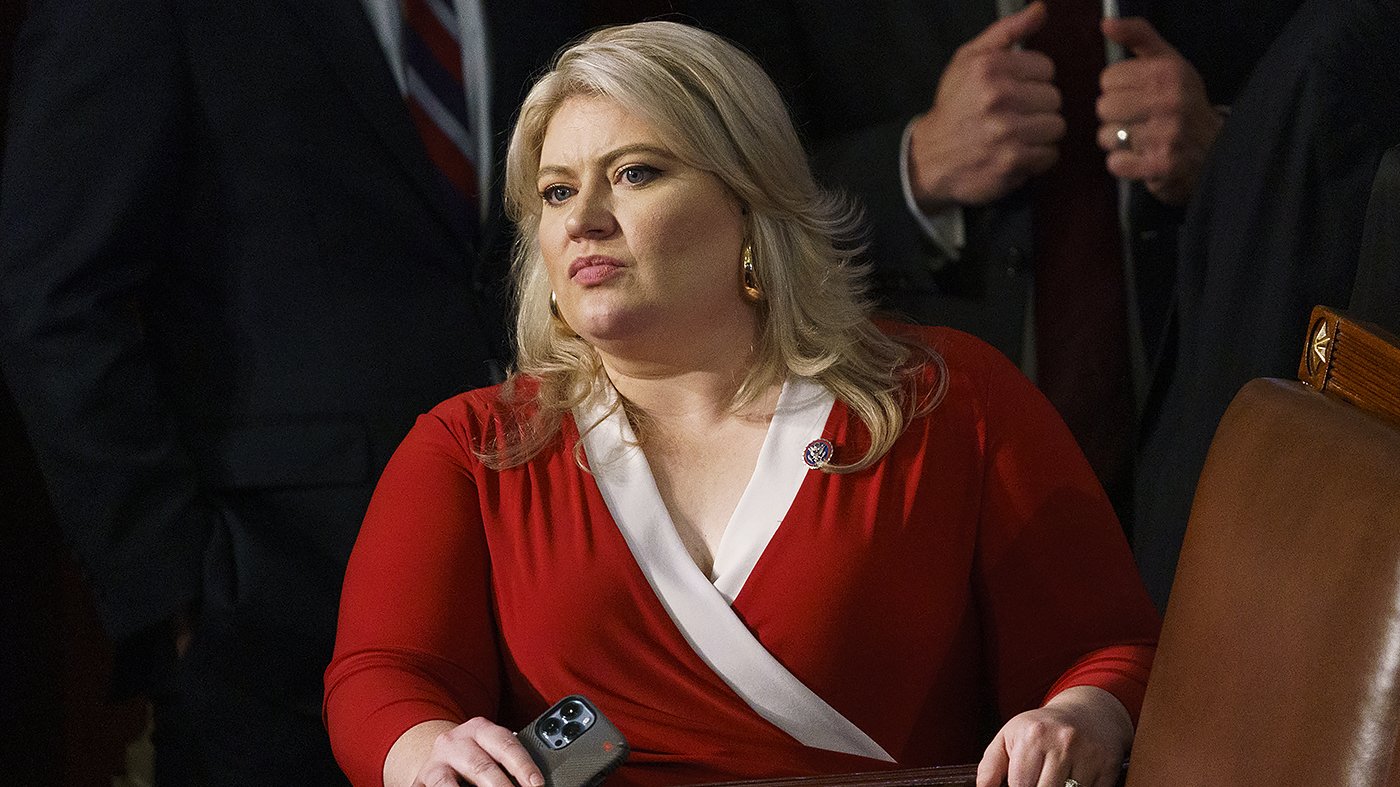
Republican Representative Kat Cammack of Florida didn't mince words on Wednesday when she described Congress as having a “culture of creepiness” when it comes to lawmakers approaching and soliciting staffers. In an interview with MeidasTouch's Pablo Manríquez, Cammack stated bluntly that she “wouldn’t feel comfortable sending my daughter to work here” under the current environment on Capitol Hill.
Her comments came after Representative Jeff Crank, a Colorado Republican, introduced a resolution that would force lawmakers to confidentially report any romantic or sexual relationships with staffers from other offices or committees to the House Ethics Committee. Cammack voiced strong support for the measure, saying, “I think we would be better off if members were more focused on their work than enhancing their love life.” She highlighted the inherent power imbalances at play, noting that even relationships with staffers in different offices still give members “tremendous influence over that congressional staffer’s career.”

The Florida Republican's remarks align with a broader push for accountability on Capitol Hill. In June, the House adopted a resolution from Representative Thomas Massie (R-KY) that directed the Ethics Committee and the Office of Congressional Workplace Rights (OCWR) to compile a single consolidated list of lawmakers who have been the subject of sexual harassment investigations resulting in monetary settlements. However, the OCWR reported in July that, under the Congressional Accountability Act of 2018, it had not received any notifications about settlements related to sexual harassment, misconduct, or abuse by a member.
Cammack did not hold back, calling sexual misconduct in Congress a “really big effing problem.” Her comments follow a series of scandals that have shaken the institution. Former Representative Eric Swalwell (D-CA) dropped out of the California governor's race after a former staffer accused him of sexual assault—allegations he denied. Former Representative Tony Gonzales (R-TX) admitted to having an affair with a staffer who later died by suicide.
The House Ethics Committee disclosed in April that it has conducted 20 sexual misconduct investigations into lawmakers since 2017, with five cases still under wraps. The ongoing revelations have fueled calls for stricter rules and transparency. In a related development, House Speaker Mike Johnson has backed a full ban on sexual relationships between lawmakers and staff, a move that would go further than current disclosure requirements.
The issue has also highlighted partisan divides. While Republicans like Cammack and Crank push for internal reforms, some Democratic lawmakers have called for even more aggressive measures. The debate comes amid a broader reckoning with workplace culture in Washington, where power dynamics often blur the lines between professional and personal interactions.
Cammack's frank assessment underscores the persistent challenge of addressing misconduct in an institution long criticized for its insular culture. As the Ethics Committee continues its work, the question remains whether these resolutions will translate into meaningful change or simply add to the paperwork.