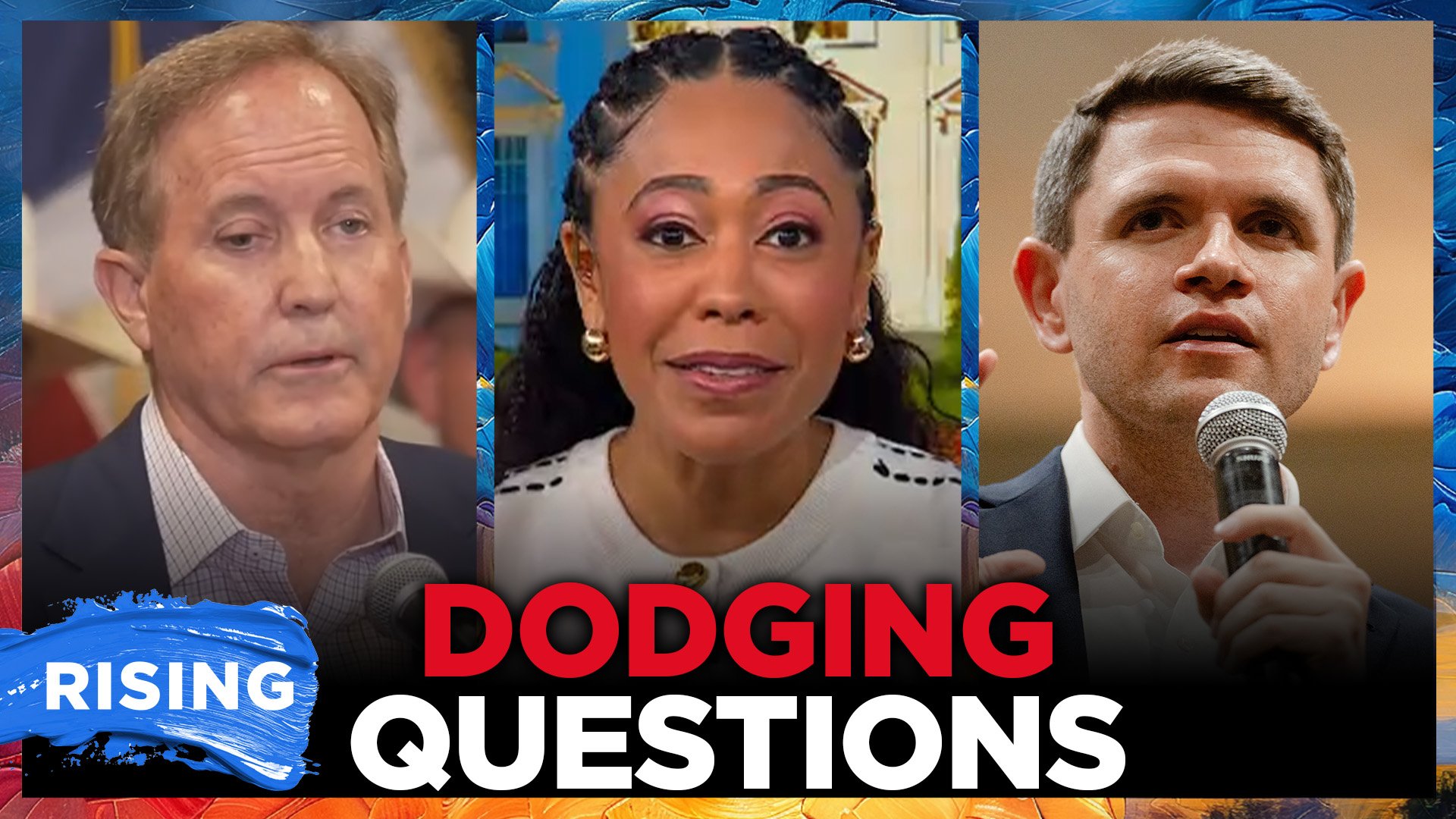
Texas Attorney General and Republican Senate hopeful Ken Paxton faced a press conference this week that quickly unraveled when reporters pressed him on personal financial disclosures and voting irregularities, topics he clearly had no intention of addressing. The event, intended to showcase his support for law enforcement alongside more than 20 Texas sheriffs, turned into a test of political accountability—one Paxton failed.
As reporters began asking about recent New York Times reporting that Paxton and related trusts own at least 15 properties worth approximately $9 million, the candidate deflected. “We’re here with the sheriffs,” he said. “I’d like to keep it to law enforcement.” When pressed further on whether he violated Texas election law by voting using an address where he no longer resided, Paxton again refused, stating, “We’re just gonna do law enforcement questions today because we’re joined with 22 amazing law enforcement officers.” Moments later, he ended the press conference and walked out.
The incident underscores a broader pattern for Paxton, who has faced a decade of legal and ethical controversies, including impeachment, a securities fraud indictment, and criticism over lenient plea deals for sex offenders. His refusal to engage on these issues comes as he seeks to replace retiring Senator John Cornyn, a race that demands rigorous scrutiny from the press and public.
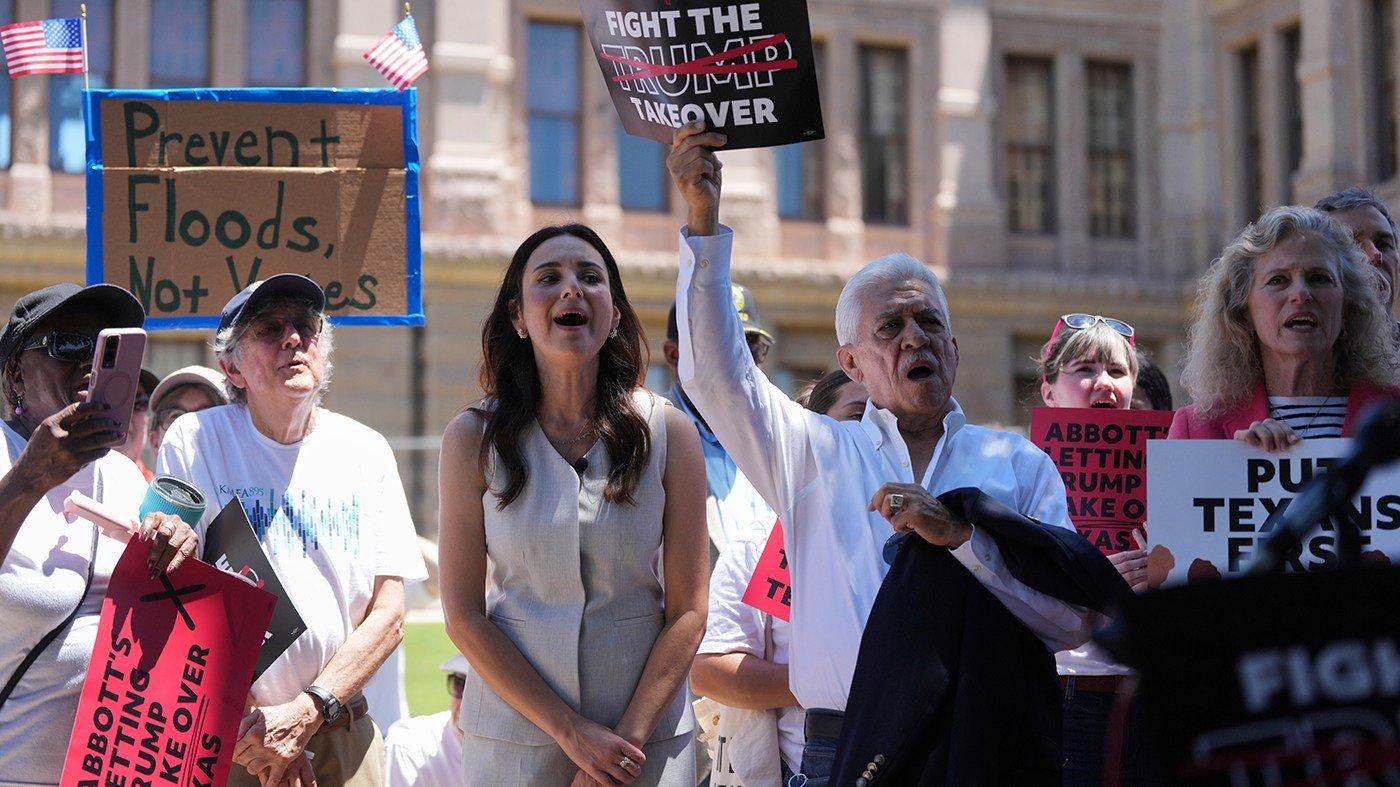
Political analysts note that candidates cannot dictate the terms of press conferences, which are designed to allow independent journalists to question those seeking power. By storming out, Paxton not only avoided answering but also amplified the stories he sought to suppress. “If he can’t handle these basic questions, what will he do in a debate?” asked a spokesperson for Democratic candidate James Talarico, who also noted that Paxton has yet to agree to any primary debates.
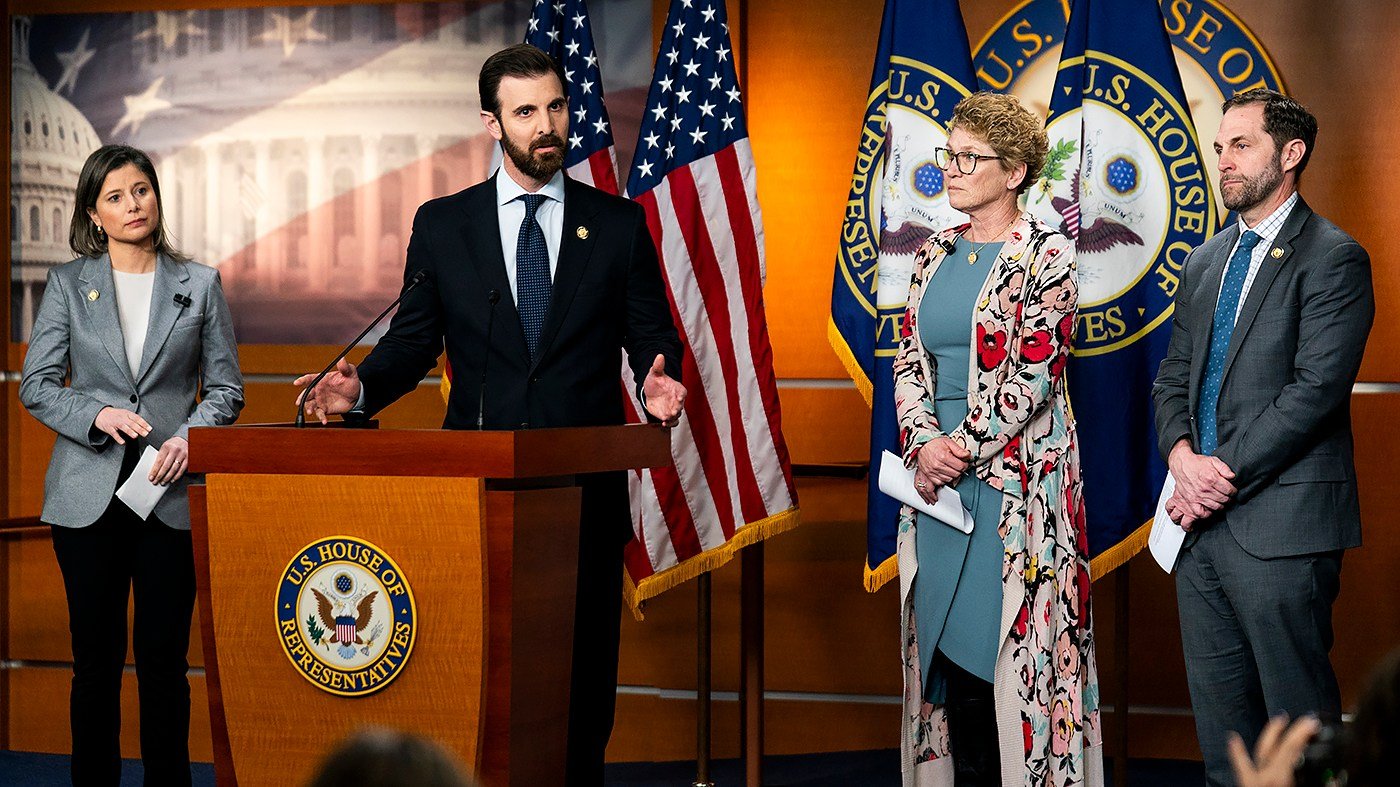
The timing is particularly awkward given recent developments in Washington, where Senator Thune has questioned Trump’s tariff strategy, and House Democrats have held their own press conference to counter the GOP agenda. These events highlight the contrast between engaged political discourse and Paxton’s evasiveness.
While the allegations against Paxton remain unproven, his refusal to address them directly risks keeping the controversy alive. In a closely watched Senate race, voters may see this as a sign of weakness or worse—a pattern of dodging accountability that could undermine his campaign.