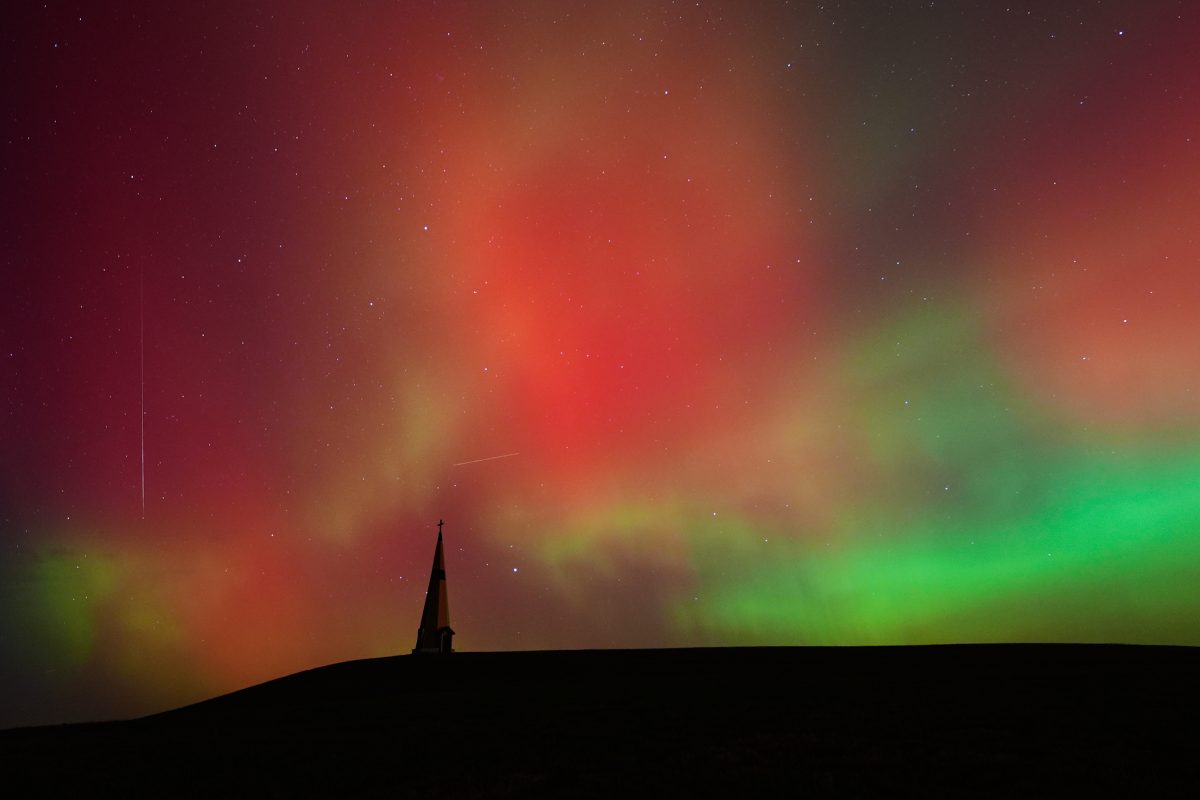
The National Oceanic and Atmospheric Administration's Space Weather Prediction Center issued geomagnetic storm watches for Monday and Tuesday, following a solar flare that could be directed toward Earth. This event comes days after the planet was hit by multiple coronal mass ejections—explosions of plasma and magnetic material from the sun.
While the prospect of a solar storm might sound alarming, officials emphasize that such activity is routine and typically poses little risk to the public. The main impact for most people will be an enhanced chance to see the northern lights, or aurora borealis, which could be visible across northern US states if skies are clear.

Stronger geomagnetic storms can occasionally disrupt power grids, satellite communications, and GPS systems, but utilities and other critical infrastructure have established mitigation measures to handle these events. The current watches are precautionary, not alarming.
For skywatchers, the best viewing conditions are away from city lights, with a clear view of the northern horizon. The aurora is expected to be most active during the late evening and early morning hours on Monday and Tuesday.
This solar flare's trajectory remains under monitoring, but forecasters suggest the resulting geomagnetic storm could reach moderate to strong levels on the NOAA scale. Similar events earlier this year have produced vibrant displays as far south as the northern tier of states.
As the sun approaches the peak of its 11-year solar cycle, known as Solar Cycle 25, such flares and coronal mass ejections are becoming more frequent. Scientists predict continued heightened solar activity through 2025, offering more opportunities for aurora sightings but also requiring vigilance from power grid operators and satellite managers.
For now, the primary takeaway for most Americans is a potential celestial show, not a cause for concern. Those interested in tracking the aurora can use NOAA's real-time space weather updates and aurora forecasts.