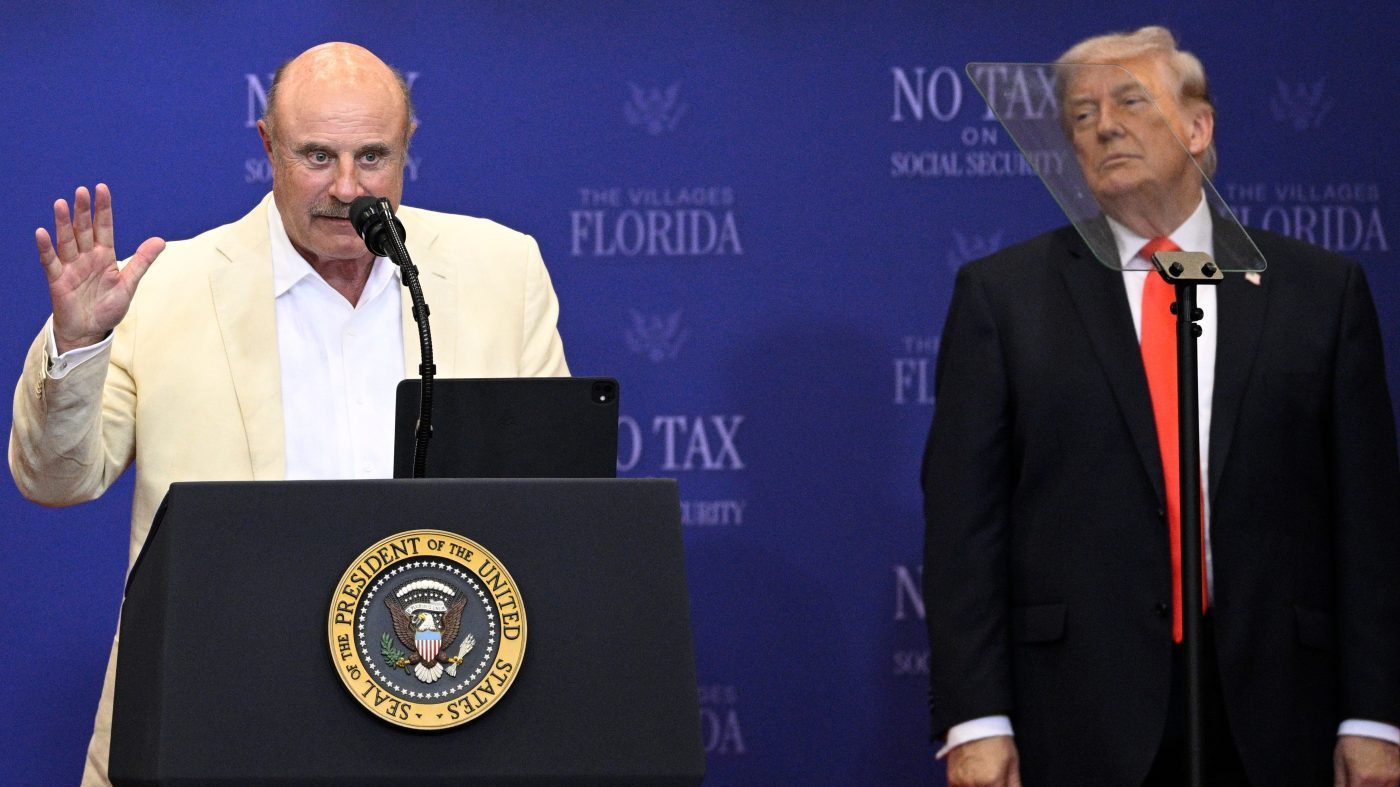
Dr. Phil McGraw, the television psychologist and a member of President Trump’s Religious Liberty Commission, has reviewed unreleased government files on Unidentified Anomalous Phenomena (UAP) at the White House’s request. In an interview, he said the administration’s reluctance to disclose the information to the public is “patronizing” and underestimates the resilience of the American people.
McGraw acknowledged that the implications of such a disclosure could be profound, potentially altering long-held beliefs about human exceptionalism and religious faith. “That can change the whole belief system and our religious beliefs,” he said, noting concerns about vulnerable demographics, including the elderly and those prone to destabilization, as well as scammers who might exploit the revelations. However, he argued that the government’s fear of public reaction is misplaced.
In his assessment, McGraw emphasized that withholding the information is not a protective measure but an insult to the public’s capacity to process difficult truths. “I have sat with people, and I’ve seen them deal with difficult situations time and again,” he said. “I think we are very resilient as the human race.”
The Trump administration has been under pressure to release more details about UAP encounters, a topic that has gained traction in recent years amid bipartisan calls for transparency. McGraw’s involvement, stemming from his role on the Religious Liberty Commission, marks an unusual step by the White House to gauge public sentiment before any major disclosure.
Critics of the government’s approach, including some lawmakers, have echoed McGraw’s sentiment, arguing that the secrecy feeds distrust. A recent Gallup poll found that 1 in 10 Americans now see politics as a top safety threat, reflecting a broader erosion of confidence in institutions. The UAP issue, long dismissed as fringe, has become a flashpoint for those demanding accountability.
McGraw’s comments come as the administration also faces scrutiny over other transparency issues, such as the restoration of a tough public charge rule that widens green card denials. The juxtaposition highlights a pattern of selective disclosure that some critics say undermines public trust.
While McGraw did not reveal the contents of the files he reviewed, he made clear that the decision to share them should not be driven by fear. “What are we going to disclose to the American public, but once we tell them what we tell them, what are we going to do with reaction?” he asked, framing the challenge as a matter of preparation rather than suppression.
The White House has not commented on the timeline for any potential UAP disclosure, but McGraw’s remarks suggest the administration is weighing the political and societal fallout. For now, the files remain classified, but the debate over their release is far from settled.