As America approaches its 250th birthday, the nation finds itself trapped in a battle of competing populisms, each offering starkly different remedies for what ails the country. Yet both the MAGA right and the democratic socialist left begin with the same corrosive premise: the system is rigged. This rallying cry, potent and vague, has become the defining feature of today's political landscape.
The phrase is deliberately ambiguous—impossible to prove or disprove—and it works to inflame voters while stripping them of agency. If ordinary families believe a shadowy cabal of globalists or billionaires controls their fate, why bother engaging in the messy work of democracy? The result is a deepening cynicism that opens the door to demagogues promising to tear it all down.
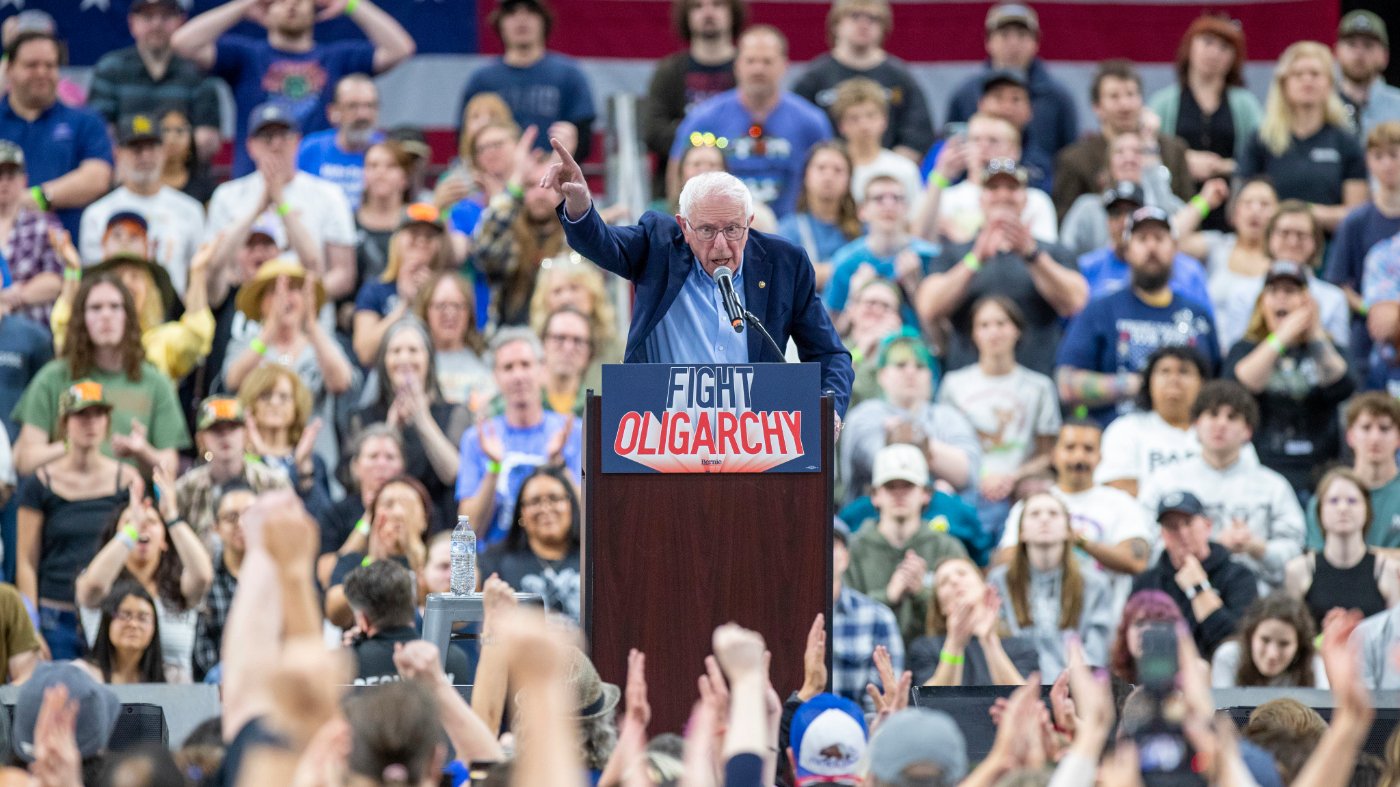
President Trump has used this gambit effectively, but it's not exclusive to the right. Figures like Sen. Bernie Sanders and New York City mayoral candidate Zohran Mamdani have also adopted the 'rigged system' rhetoric to fuel left-wing militancy. Despite its electoral appeal, this approach has failed to deliver for the American people, who now find themselves trapped in a cycle of scorched-earth partisanship and constant governmental churn.
According to polling by FrameWorks, 70 percent of Americans agree that powerful interests have rigged the system—including majorities across party lines, income levels, and age groups. Among 18-to-29-year-olds, that figure jumps to 81 percent. The report calls this 'one of the strongest and most pervasive mindsets in American culture,' driving a desire for radical change: 61 percent say society needs a complete restructuring.
But what that means in practice remains undefined. Populists use the slogan to cast themselves as truth-telling rebels, but rather than pushing for concrete reforms, they keep voters in a perpetual state of outrage. This grievance-mongering sets unrealistic expectations, making the incremental, consensus-driven solutions of normal politics look hopelessly inadequate.
The results are policies that fail: Trump's tariffs, which have raised living costs without reviving manufacturing jobs; and the left's utopian demands for open borders, a rapid end to fossil fuels, and a shift to 'degrowth' economics. These are not solutions—they are escapist fantasies.
Economic inequality is a real problem that could be addressed through rational bipartisan cooperation. But the belief that a roomful of billionaires controls a $32 trillion economy is itself a conspiracy theory. As the author notes, if you buy that, you might also fall for Trump-branded meme coins.
Populist theatrics, divorced from the prosaic work of governance, degenerate into political escapism. Politicians who indulge in it are fouling their own nests. Democrats, in particular, have an opportunity to offer something different: a radical pragmatism that revives America's can-do spirit. They could advocate for higher taxes on the superrich, renewed investment in science and space exploration, market competition, debt reduction, and expanded housing supply—rather than price controls. On AI, they should champion public-private collaboration to share productivity gains, not freeze the technology.
America needs leaders who inspire hope, not defeatism. As President Bill Clinton once said, there's nothing wrong with America that can't be cured by what's right with America. That kind of optimism is the antidote to the rigged-system poison.
Will Marshall is founder and president of the Progressive Policy Institute.