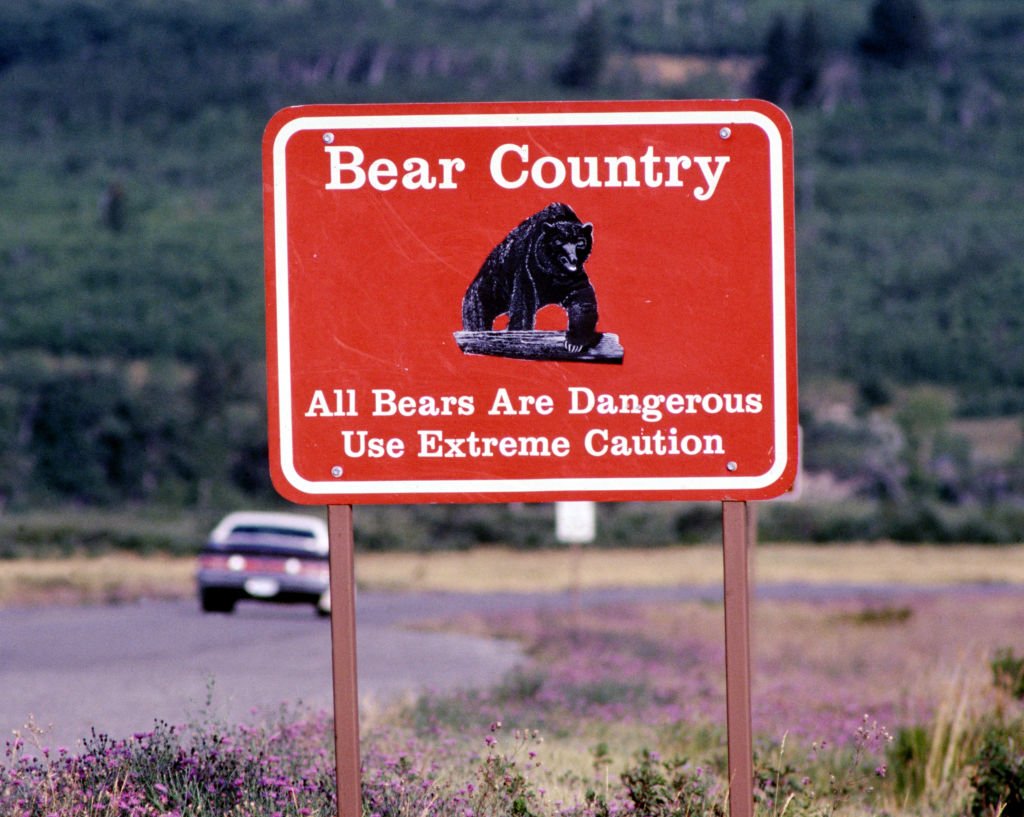
A Florida man who went missing after a sunset hike in Glacier National Park earlier this year died from a surprise grizzly bear attack, according to a newly released interagency report.
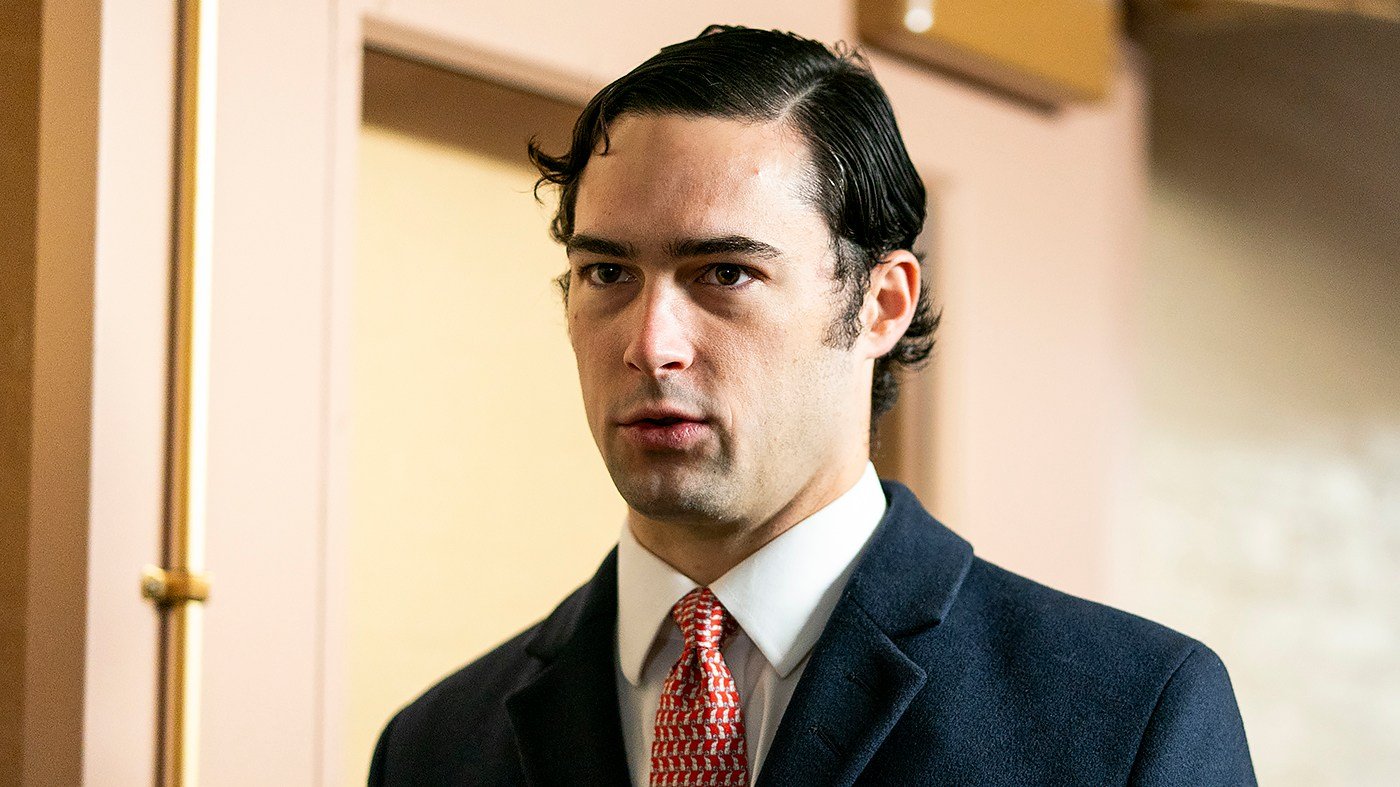
Anthony Pollio, 33, of Davie, Florida, vanished in early May. Rangers initially suspected a bear attack, and the Interagency Grizzly Bear Committee has now confirmed that an adult male grizzly bear killed him. The Board of Review report, first obtained by the Billings Gazette and SFGate, details Pollio's final moments and the encounter with the bear.
Pollio's death is the first fatal bear attack in Glacier National Park since 1998, ending a 27-year stretch without such a tragedy. The incident came just weeks before a California man survived a bear attack on a nearby trail, highlighting the ongoing risks in the region. In a separate context, recent discussions on wildlife management have paralleled debates in other policy areas, such as the Hobbs campaign's first attack ad targeting Biggs over tax plan, which underscores how different issues converge in political discourse.
Details of the Attack
The report describes a sudden, aggressive encounter. Pollio was hiking alone to watch the sunset when he stumbled upon the grizzly, which apparently reacted defensively. Investigators found evidence of a struggle, and the bear's behavior suggested it was surprised by Pollio's presence. Wildlife experts note that grizzly attacks are rare but often occur when humans inadvertently startle the animals, especially in areas with dense vegetation or limited visibility.
The Interagency Grizzly Bear Committee, which includes representatives from the National Park Service and U.S. Fish and Wildlife Service, conducted a thorough review. Their findings align with initial ranger assessments and rule out other causes of death. The report also notes that the bear was not captured or euthanized, as it was not deemed a continuing threat after the incident.
Broader Implications
This tragedy serves as a stark reminder of the dangers in national parks, where wildlife encounters can turn deadly. Glacier National Park has seen increased visitation in recent years, raising concerns about human-wildlife conflicts. Park officials have since reinforced safety protocols, including warnings about bear spray and group hiking. Meanwhile, other political developments—such as Trump's threats to bomb Iranian infrastructure—show how security issues dominate headlines, but local incidents like this also demand attention.
The report also highlights the importance of interagency coordination in investigating such incidents. The Board of Review's detailed account provides closure for Pollio's family and insights for preventing future attacks. As the park enters peak season, visitors are urged to remain vigilant. In a related vein, DHS Chief's revelation of a foiled vehicle attack plot underscores the varied threats that public safety officials must manage, from natural to man-made dangers.
Pollio's death has sparked discussions about wildlife management policies and the balance between conservation and public safety. Environmentalists argue that bears need habitat protection, while others call for more aggressive measures to prevent attacks. The report does not recommend specific policy changes, but it adds to the data used by agencies to refine strategies.
For now, the tragedy stands as a sobering statistic: the first fatal bear attack in Glacier National Park in nearly three decades. As the park mourns, officials hope the lessons learned will help avoid a repeat. Meanwhile, the broader political landscape continues to grapple with other pressing issues, from New York City's Legionnaires' outbreak to international conflicts, but this event reminds us of the unpredictable dangers in America's wild spaces.