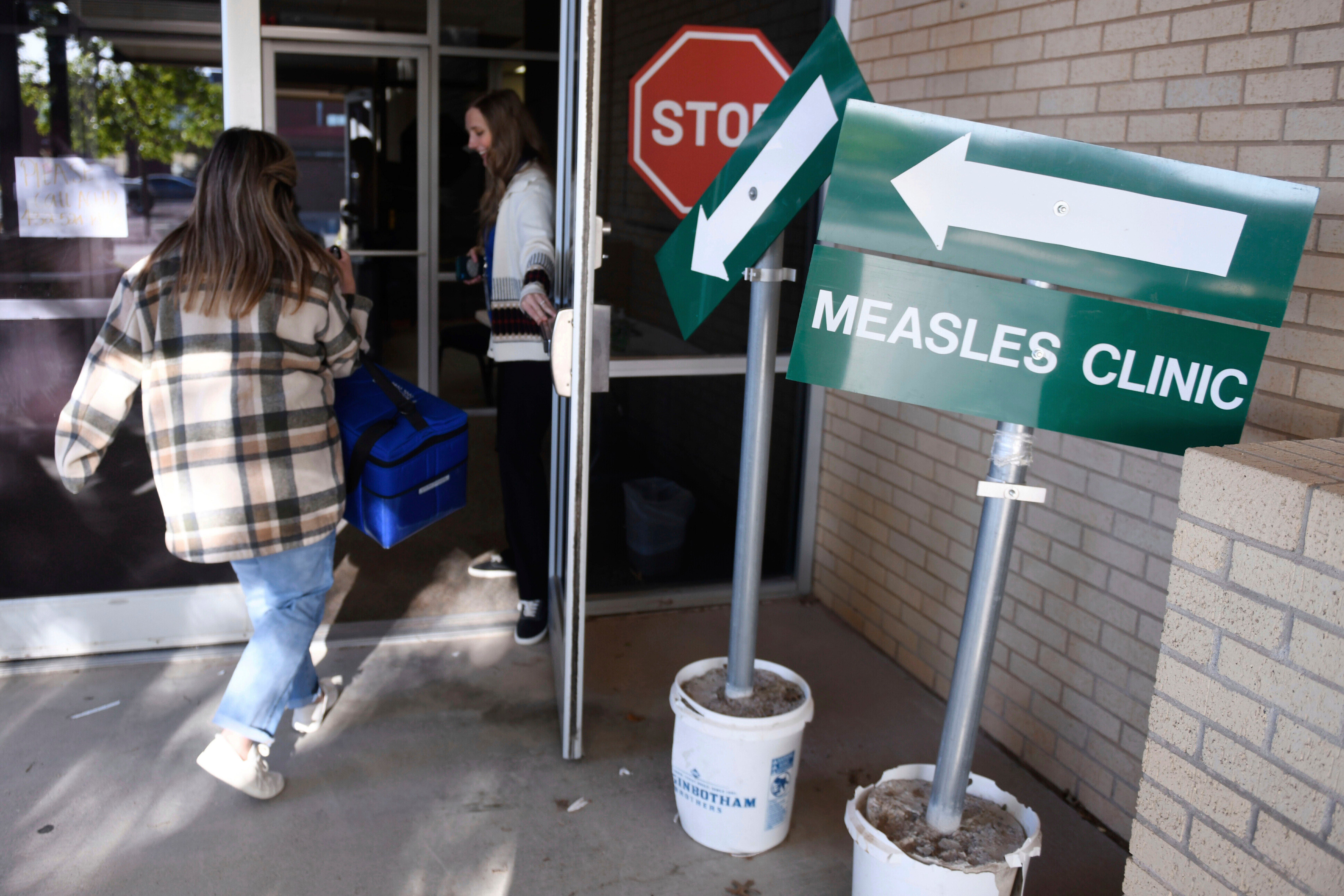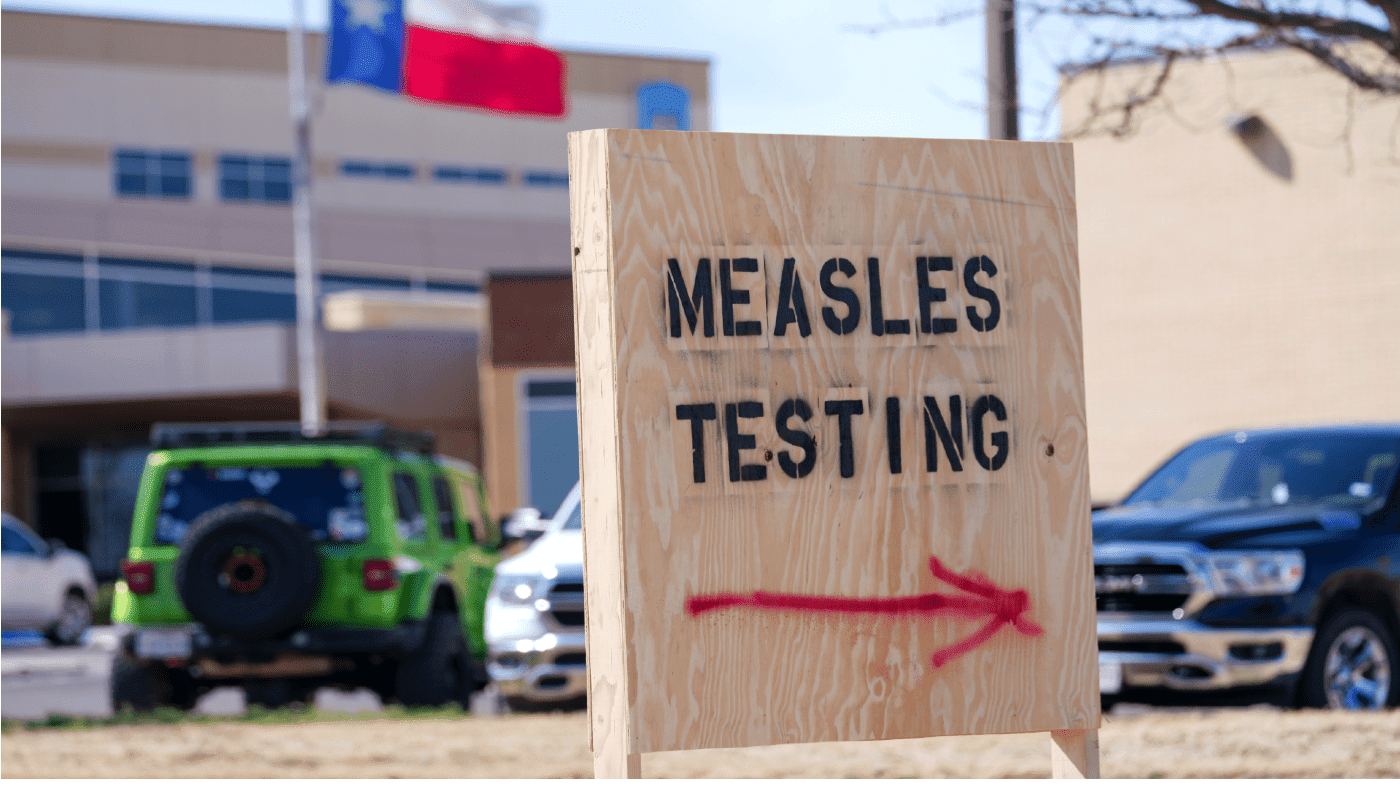
The United States is facing its worst measles outbreak in 35 years, with 2,295 cases recorded so far this year, according to Johns Hopkins University's measles tracker. This figure has already eclipsed the 2,289 cases reported in all of 2025, marking a troubling milestone for public health officials.
The Centers for Disease Control and Prevention has not updated its measles data since July 17, meaning its official tally does not yet reflect this record. However, the Johns Hopkins tracker indicates that the current outbreak is the largest since 1990, when 27,808 cases were reported. That earlier surge was halted by an aggressive vaccination campaign and the introduction of a two-dose measles vaccine schedule in 1989.
The U.S. declared measles eliminated in 2000, but that status is now in jeopardy. Sustained transmission for more than a year—a key criterion for losing elimination status—has raised alarms. Canada lost its elimination status last year, and the U.S. and Mexico are scheduled to meet with the Pan American Health Organization in November to review their status.
Since achieving elimination, annual measles cases in the U.S. typically ranged from a few dozen to a few hundred, with 2019 being an outlier at roughly 1,300 cases. The current trajectory, with more than five months left in the year, suggests the final count will far exceed last year's total—a scenario infectious disease specialists warned about as outbreaks spread across the country.
As of the CDC's most recent update, 34 new measles outbreaks have been declared this year, and 44 jurisdictions have reported cases. The resurgence is largely attributed to declining vaccination rates and vaccine hesitancy, which have undermined herd immunity in some communities.
The public health implications are significant. Measles is highly contagious and can lead to severe complications, including pneumonia and encephalitis. The current outbreak underscores the fragility of elimination status and the need for robust vaccination campaigns.
In related public health news, a separate outbreak of Legionnaires' disease in New York City has seen its fifth death, with 82 cases confirmed. Meanwhile, an ongoing cyclospora outbreak linked to Taylor Farms lettuce has topped 1,600 cases across 34 states, highlighting the broader challenges facing U.S. public health systems.
Politically, the measles outbreak has reignited debates over vaccine mandates and public health funding. Some lawmakers have pushed for stricter vaccination requirements, while others have resisted federal intervention, citing personal freedoms. The emotional appeals driving flawed policy have been criticized by public health experts who argue that evidence-based approaches are needed to curb the outbreak.
With the Pan American Health Organization review looming, the U.S. faces a critical test of its public health infrastructure. The outcome could have lasting implications for how the country manages infectious diseases and maintains its elimination status.