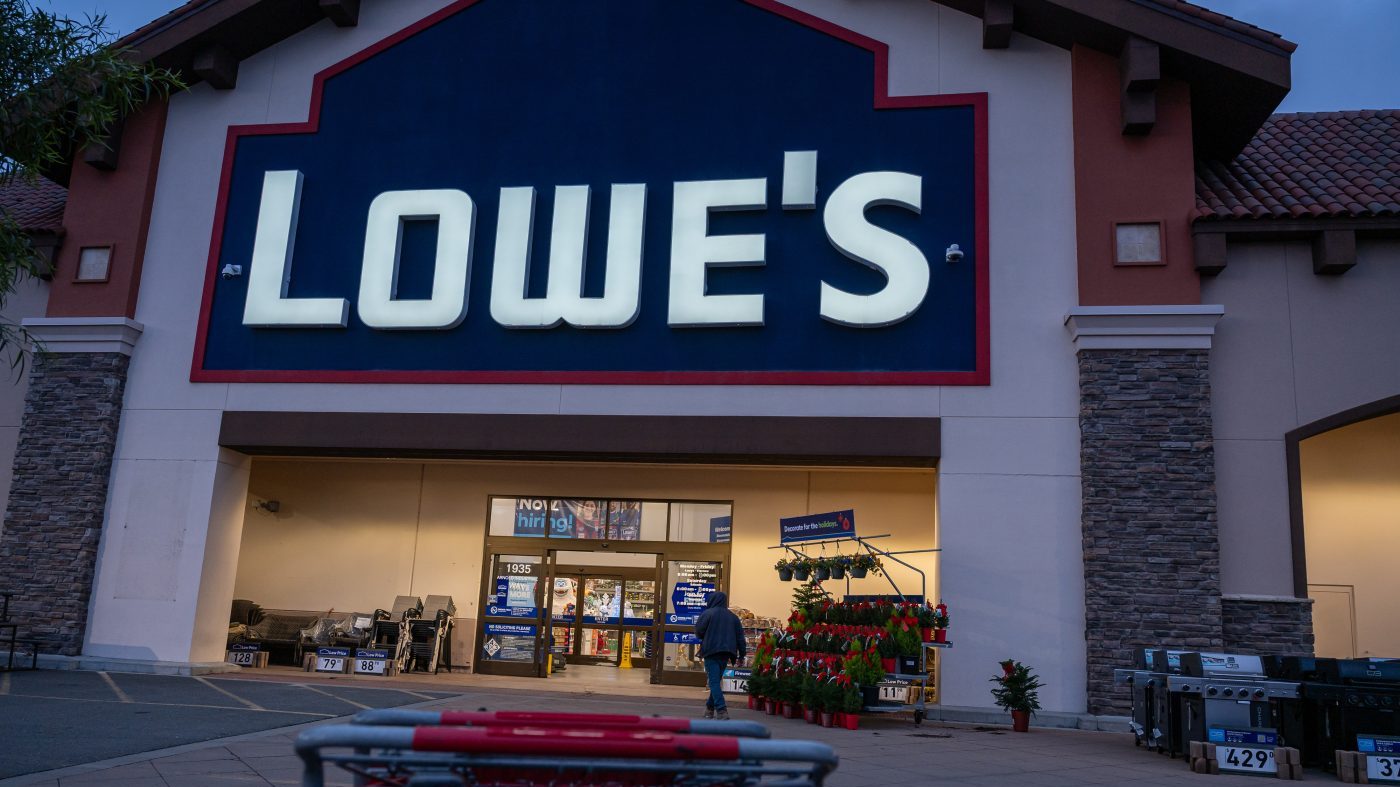
Lowe's Companies, the home improvement retail giant, has formally entered the subscription service economy with the launch of HomeCare+, a new program offering scheduled in-home maintenance for homeowners. The move represents a strategic expansion beyond traditional retail into recurring service revenue, a sector experiencing significant growth and corporate competition.
Service Details and Market Positioning
For an annual fee of $99, subscribers receive two scheduled visits from service professionals. The program covers a defined list of routine but often neglected home maintenance tasks, including dryer vent cleaning, HVAC and refrigerator water filter replacement, water heater flushing, garage door lubrication, and smoke detector battery and light bulb replacement. Members can opt to have all applicable services performed during a single visit.

"HomeCare+ is centered on simplifying home improvement and making it more accessible for our customers," said Jen Wilson, Lowe's senior vice president and chief marketing officer. She emphasized the company's focus on human connection in an increasingly automated world, stating, "As artificial intelligence becomes more integrated into daily life and the home, leveraging genuine human interaction strategically positions Lowe's as the foremost helpful brand in this sector."
Target Demographic and Availability
The service explicitly targets demographic pain points. "We recognize that home maintenance can be daunting, whether for a new homeowner, a parent with limited time, or anyone hesitant to perform tasks like climbing ladders," explained Amanda Bailey, Lowe's vice president of customer marketing and loyalty. The rollout is currently limited to members of the MyLowe's Rewards program and is accessible in regions encompassing approximately 75% of U.S. households.
Subscribers also receive enhanced loyalty benefits, including an upgrade to Gold Status in the MyLowe's Rewards program and a 5% discount on supplies related to the subscribed services. This bundling strategy aims to deepen customer loyalty and drive complementary retail sales.
Broader Economic and Political Context
This corporate initiative intersects with larger political and economic trends, including the growth of the subscription-based service economy and debates over labor, consumer access, and corporate consolidation. The push into home services comes as other sectors, from software to transportation, increasingly adopt subscription models, a shift that has drawn scrutiny regarding consumer access and potential new socioeconomic divides created by digital and membership barriers.
Furthermore, the reliance on a skilled labor force for in-home services operates within a tight national labor market and ongoing debates over vocational training and immigration policy affecting service industries. While not directly analogous, workforce challenges in other critical service sectors, such as the staffing crises that have periodically paralyzed federal security services, highlight the systemic importance of reliable service delivery infrastructure, whether public or private.
The launch also reflects corporate adaptation to post-pandemic consumer behavior, where demand for home-centric services and convenience has remained elevated. By offering a standardized, branded alternative to fragmented local service providers, Lowe's is betting on trust, scale, and predictability to capture a share of the home maintenance market.
As corporations expand their reach into daily life through subscription services, the HomeCare+ model will be watched as a case study in whether major retailers can successfully translate brand recognition into reliable, recurring service relationships, or if they will face challenges scaling quality assurance and managing a decentralized workforce.