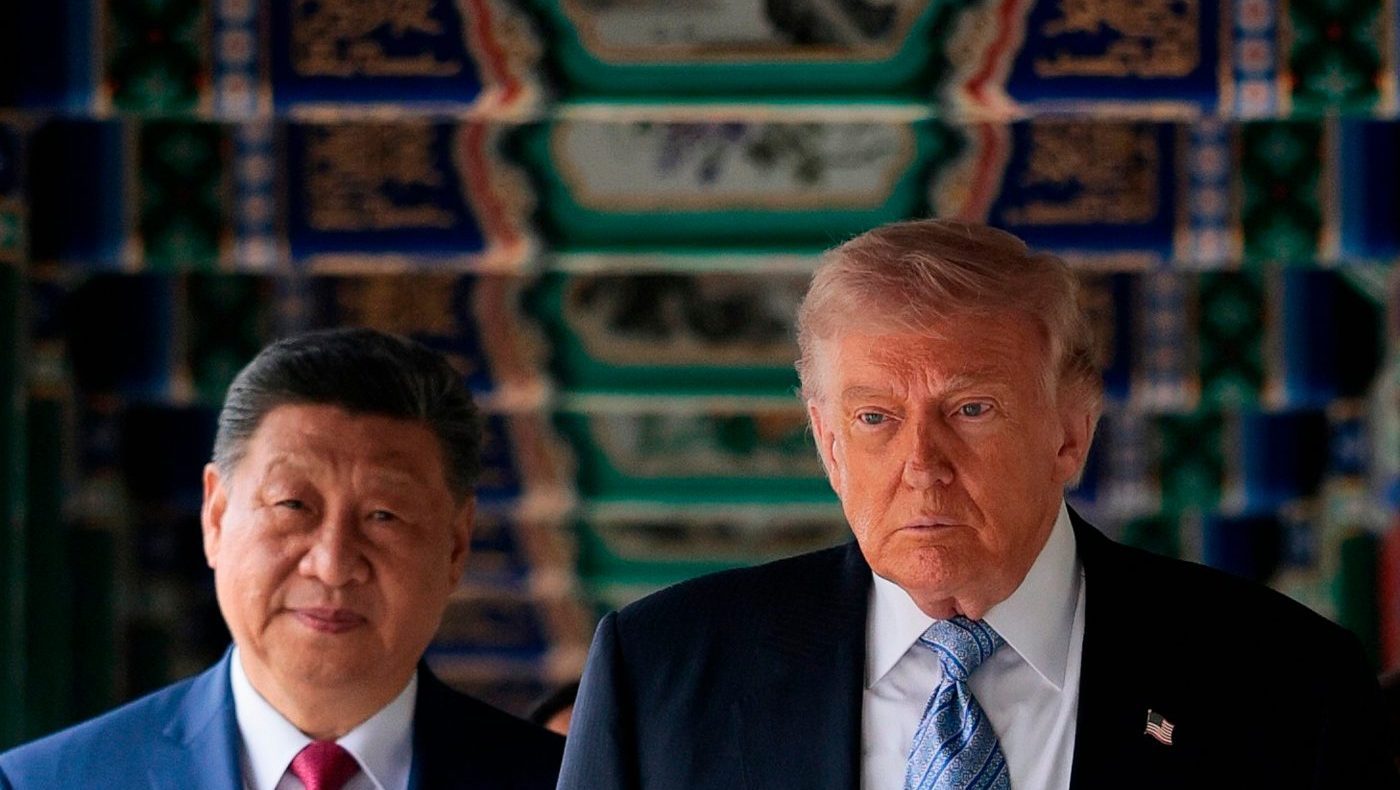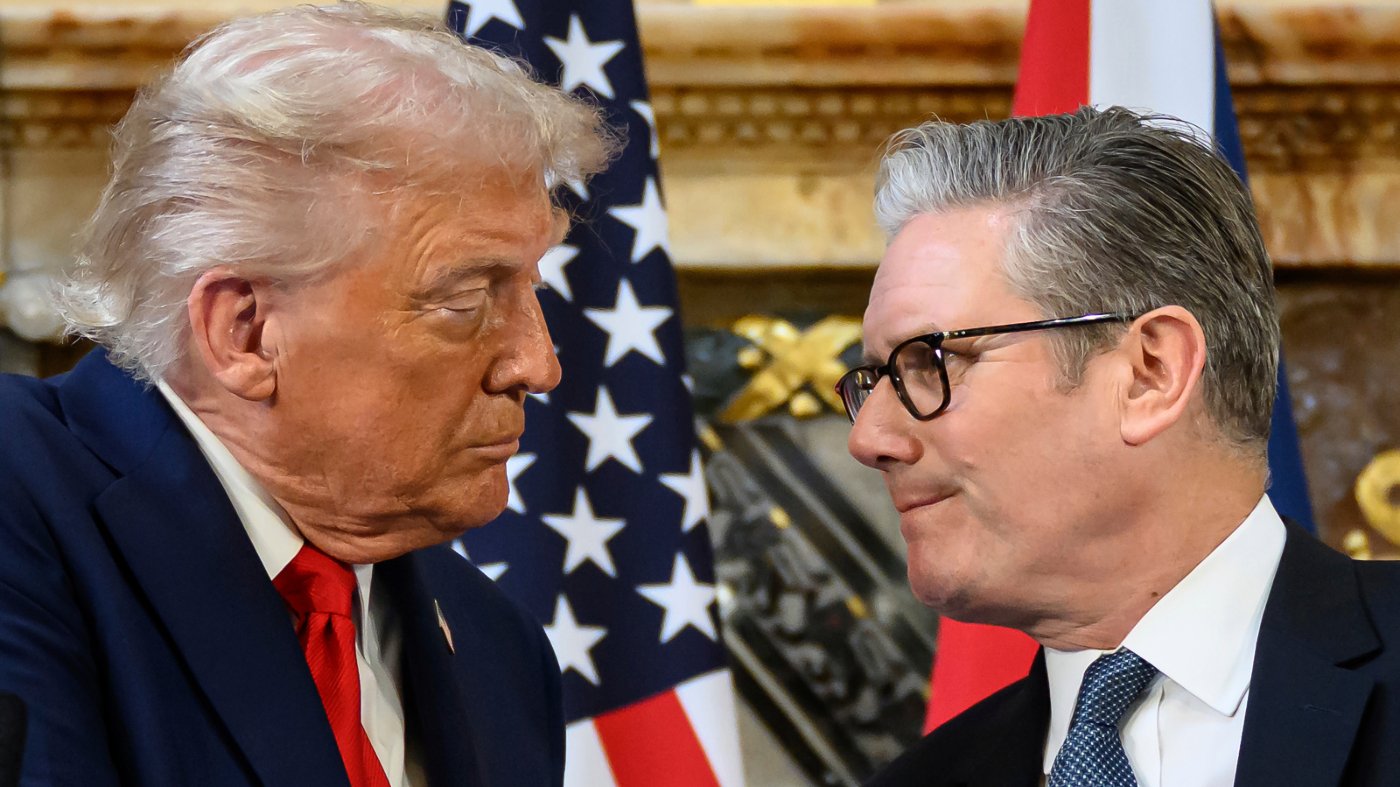
The foundational alliance between the United States and the United Kingdom, historically described with Churchill's phrase 'the special relationship,' is showing significant strain at the highest political levels, according to discussions at a recent high-level defense summit in London.
A Conference of Concern on the Thames
The London Defence Conference, drawing comparisons to the Munich Security Conference, assembled approximately 800 senior foreign, defense, and security officials from the U.K., Europe, and Japan. The central theme was military 'readiness,' specifically preparedness for a resurgent Russian threat and potential further aggression from Vladimir Putin following the war in Ukraine.
Debates grappled with Russia's capacity to recover from its staggering losses in Ukraine, estimated at over a million casualties, and questioned the logic of Moscow initiating a direct conflict with a NATO alliance that holds overwhelming conventional superiority. The nuclear capabilities of three members—the U.S., U.K., and France—were noted as a ultimate deterrent.
The Shadow of Washington
The conference unfolded under the dual shadows of the war in Iran and the political climate in Washington. While participants welcomed calls for increased European defense spending, former President Donald Trump's repeated threats to withdraw from NATO and other disruptive proposals generated deep unease. The minimal U.S. administrative presence—a single Commerce Department official—was stark, reinforcing a perception of White House disengagement. The consensus among attendees was that while military and intelligence cooperation remains robust, the political pillar of the special relationship is severely weakened.
A majority of participants assessed the current global landscape as more dangerous than the period following the September 11 attacks. They pointed to Russia's transactional partnerships with China, North Korea, and Iran as a coordinated effort to dismantle the rules-based international order. Strategic analysis focused on the Strait of Hormuz, where Iran, despite U.S. military dominance, holds decisive leverage by controlling the transit point for roughly 20% of the world's energy supply.
European Initiatives Fill the Void
Highlighting European moves toward greater strategic autonomy, the conference featured the chiefs of defense for all ten nations in the U.K.-led Joint Expeditionary Force (JEF). This coalition, operating alongside but independent from NATO, coordinates planning and operations among Baltic and Nordic states. Its growing role underscores European efforts to bolster security architecture amid concerns about American commitment.
A notable American attendee was first-term Representative Pat Harrigan (R-N.C.), a West Point graduate and former Special Forces officer. Harrigan and his wife personally funded their trip due to a government shutdown in Washington. His expertise and engagement reportedly improved some negative perceptions of Congress among the international delegates, though the article's author notes that reshaping the global view of the U.S. legislative branch remains a considerable challenge.
The gathering served as a microcosm of transatlantic anxieties. The special relationship endures in secure channels and shared history, but its political vitality is in question, replaced by European contingency planning and a pervasive uncertainty about American leadership.