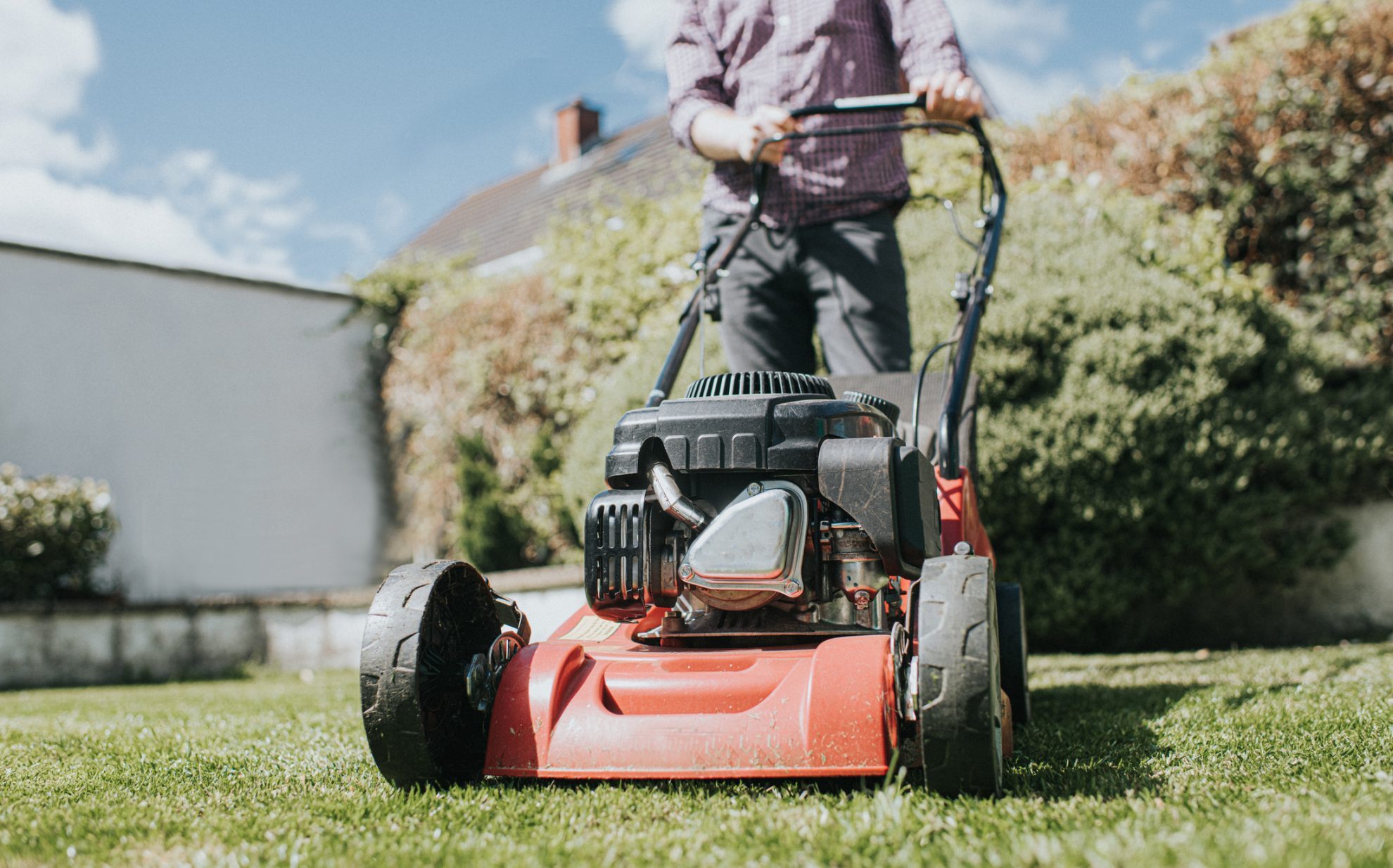
When Americans think of dangerous occupations, logging, commercial fishing, and mining typically come to mind. But a new analysis of federal labor statistics reveals a less obvious threat: landscaping. Over the past decade, the fatal injury rate for groundskeepers and landscapers has climbed from 13 per 100,000 workers in 2014 to 21 per 100,000 in 2024, according to a MoneyGeek review of Bureau of Labor Statistics (BLS) data.
That steady increase has pushed landscaping into the top 10 deadliest jobs in the United States, ranking just behind trucking and construction. In 2024 alone, the BLS recorded 239 fatalities among grounds maintenance workers, a figure that underscores the growing risks in a profession often perceived as routine outdoor work.

What's Driving the Rise?
The causes of these deaths are diverse. According to a 2008 safety fact sheet from the National Institute for Occupational Safety and Health (NIOSH), the most common fatal scenarios involved workers using tools or machinery to trim or cut down trees. Operating vehicles or transportation equipment was another frequent activity preceding fatal injuries.
More recent BLS data analyzed by MoneyGeek shows fatalities are now almost evenly split among transportation incidents, falls, and contact with heavy equipment. Notably, heat exposure has emerged as an increasingly significant factor, reflecting broader concerns about climate change and workplace safety in outdoor occupations.
Other Jobs Getting More Dangerous
Landscaping is not alone in its deteriorating safety record. Security guards and carpenters also saw higher fatal injury rates between 2014 and 2024, though their numbers remain low enough to keep them outside the top 10. The trend highlights a broader challenge for workplace safety regulators, who face pressure to adapt standards to changing risks.
The Full List of Most Dangerous Jobs
According to the MoneyGeek analysis, the 10 most dangerous occupations in America, based on 2024 fatal injury rates, are:
- Logging workers – 110.4 fatalities per 100k (leading cause: contact with objects)
- Fishing and hunting workers – 88.8 (transportation)
- Roofers – 48.7 (falls, slips, trips)
- Structural iron and steel workers – 37.8 (falls and contact tied)
- Refuse and recyclable collectors – 37.4 (transportation)
- Aircraft pilots and flight engineers – 36.7 (transportation)
- Helpers, construction trades – 35.8 (not published)
- Underground mining machine operators – 35.6 (not published)
- Driver/sales workers and truck drivers – 25.7 (transportation)
- Grounds maintenance workers – 20.9 (transportation)
Some Improvement, But Challenges Remain
Not all occupations are becoming more hazardous. The analysis found that aircraft pilots and flight engineers experienced the largest decline in fatal injuries between 2014 and 2024. Electricians, farmers, ranchers, and power-line installers also saw substantial safety improvements, suggesting that targeted interventions can yield results.
However, the rise in landscaping deaths presents a policy puzzle. As the demand for outdoor maintenance grows alongside extreme heat events, lawmakers and safety agencies may need to revisit regulations. Federal fiscal debates often dominate headlines, but workplace safety remains a quieter yet critical issue for the labor force.
For now, the data serves as a stark reminder that even seemingly ordinary jobs can carry hidden dangers, and that vigilance in safety standards is essential to protect American workers.