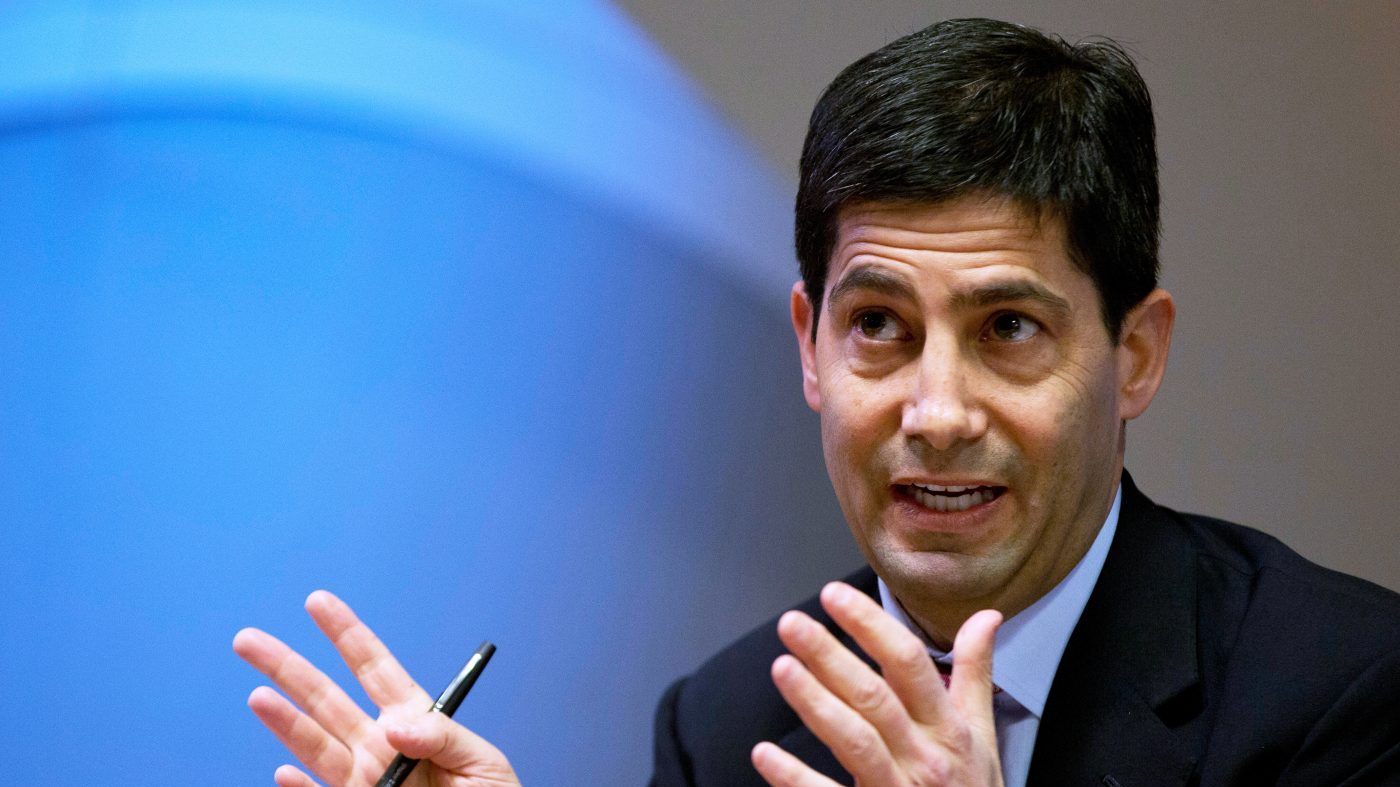
Kevin Warsh, the former Federal Reserve governor selected by President Donald Trump to lead the central bank, is set to testify before the Senate Banking Committee on Tuesday. His confirmation hearing represents a critical juncture in the administration's contentious effort to replace current Chair Jerome Powell, whose term is slated to conclude in mid-May.
The nomination arrives against a backdrop of sustained public friction between the President and Powell. Trump has repeatedly criticized the Fed's interest rate decisions and its management of operational expenses, creating an unusually politicized environment for monetary policy. The White House has expressed confidence that Warsh, who served on the Fed's Board of Governors from 2006 to 2011, will secure the necessary votes for confirmation.
Wealth and Policy Under the Microscope
Warsh's substantial personal finances are certain to be a focal point for lawmakers. He recently disclosed assets exceeding $130 million, a fortune amassed through his roles in finance and private equity following his tenure at the Fed. This financial profile has already drawn criticism, with some Democratic senators previously demanding a delay in his hearing, citing concerns over potential conflicts of interest and opaque investment ties.
His policy views will face equal scrutiny. Senators are expected to probe his stance on inflation, financial regulation, and the Fed's independence from executive branch pressure. The hearing offers a platform to assess whether Warsh would chart a course distinct from Powell's, particularly as the economy navigates persistent inflation and geopolitical uncertainty.
A Fraught Political Landscape
The confirmation process unfolds during a period of significant political strain for the Trump administration. The President's political standing has been challenged by international crises and domestic economic pressures, as reflected in polling that shows his approval rating hitting new lows amid the Iran conflict and diplomatic tensions. Furthermore, potential resistance from within the Senate GOP ranks threatens to complicate Trump's bid to install Warsh, adding another layer of uncertainty to the proceedings.
Economic anxieties are also rising, partly fueled by global instability. Administration officials are reportedly divided over energy price forecasts as the Iran situation fuels consumer concerns. The next Fed chair will inherit these challenges, making the committee's vetting all the more consequential.
The hearing is scheduled to begin at 10 a.m. Eastern Time. The live video feed will be available for viewers following this pivotal moment in U.S. economic governance.
Warsh's testimony comes as Congress debates other major economic proposals, including Senator Elizabeth Warren's wealth tax plan, which faces questions about capital flight and shrinking tax bases. The outcome of Warsh's nomination will signal the administration's capacity to steer key economic institutions during a politically volatile election year.