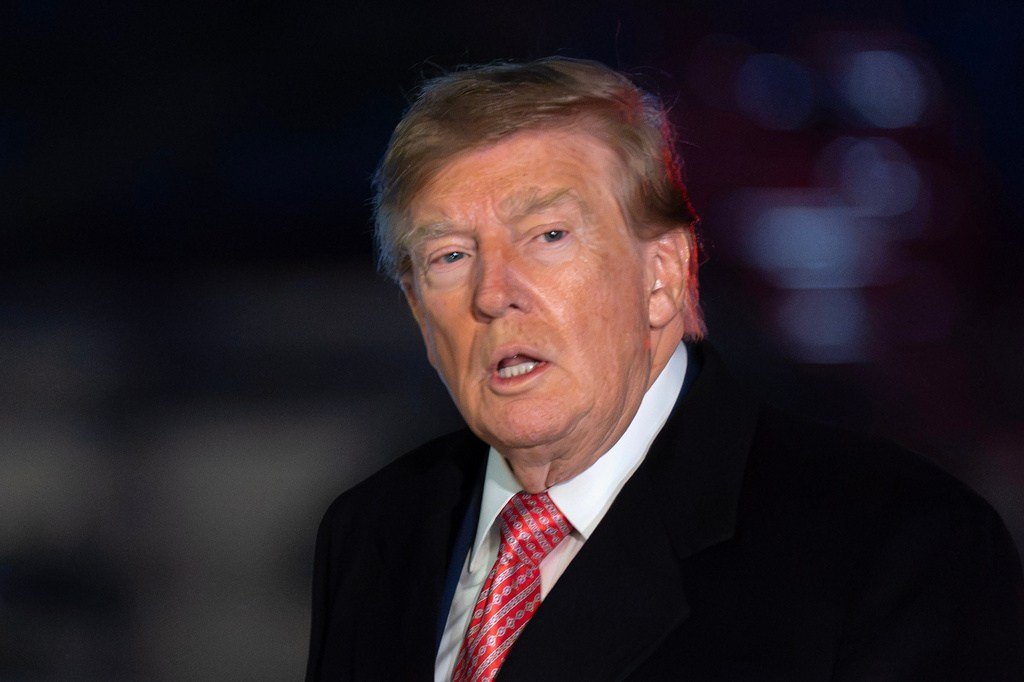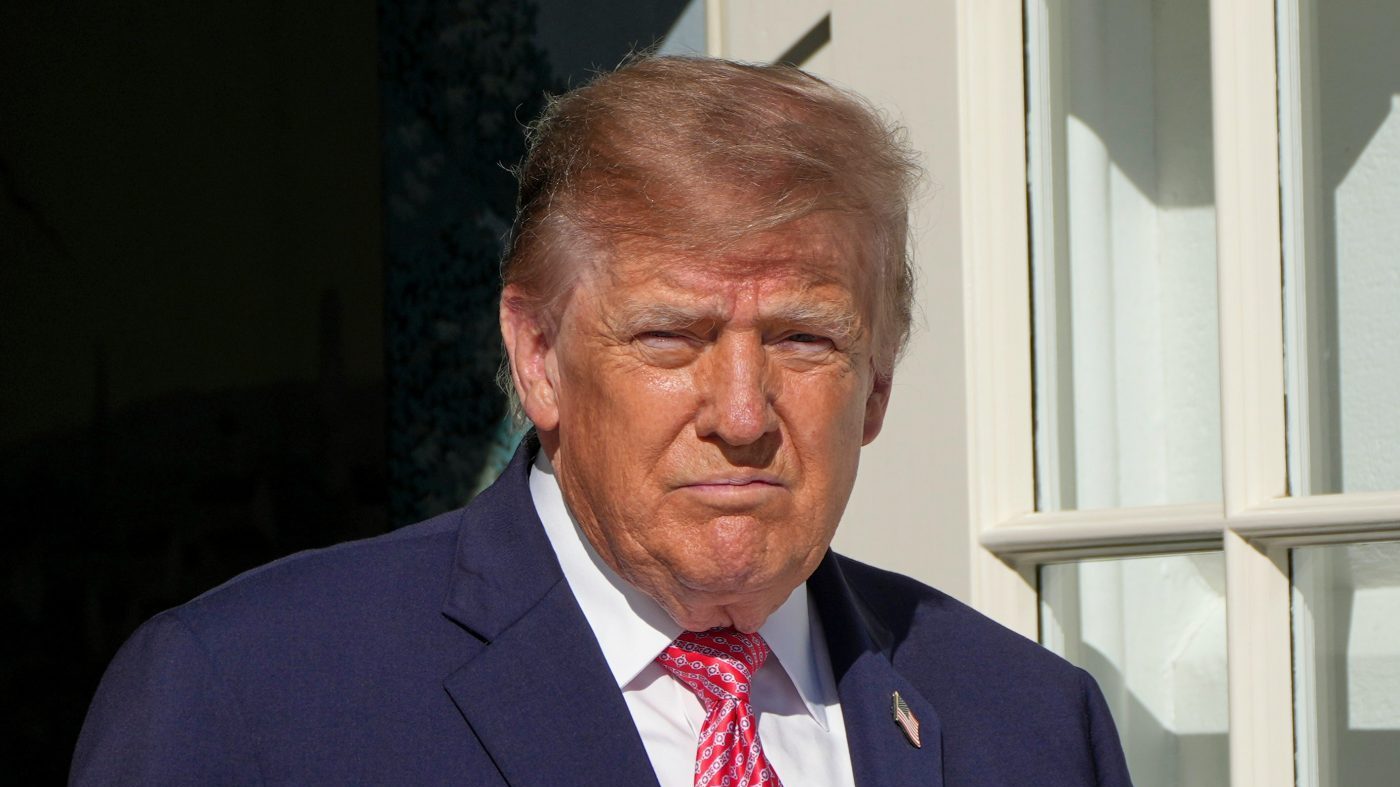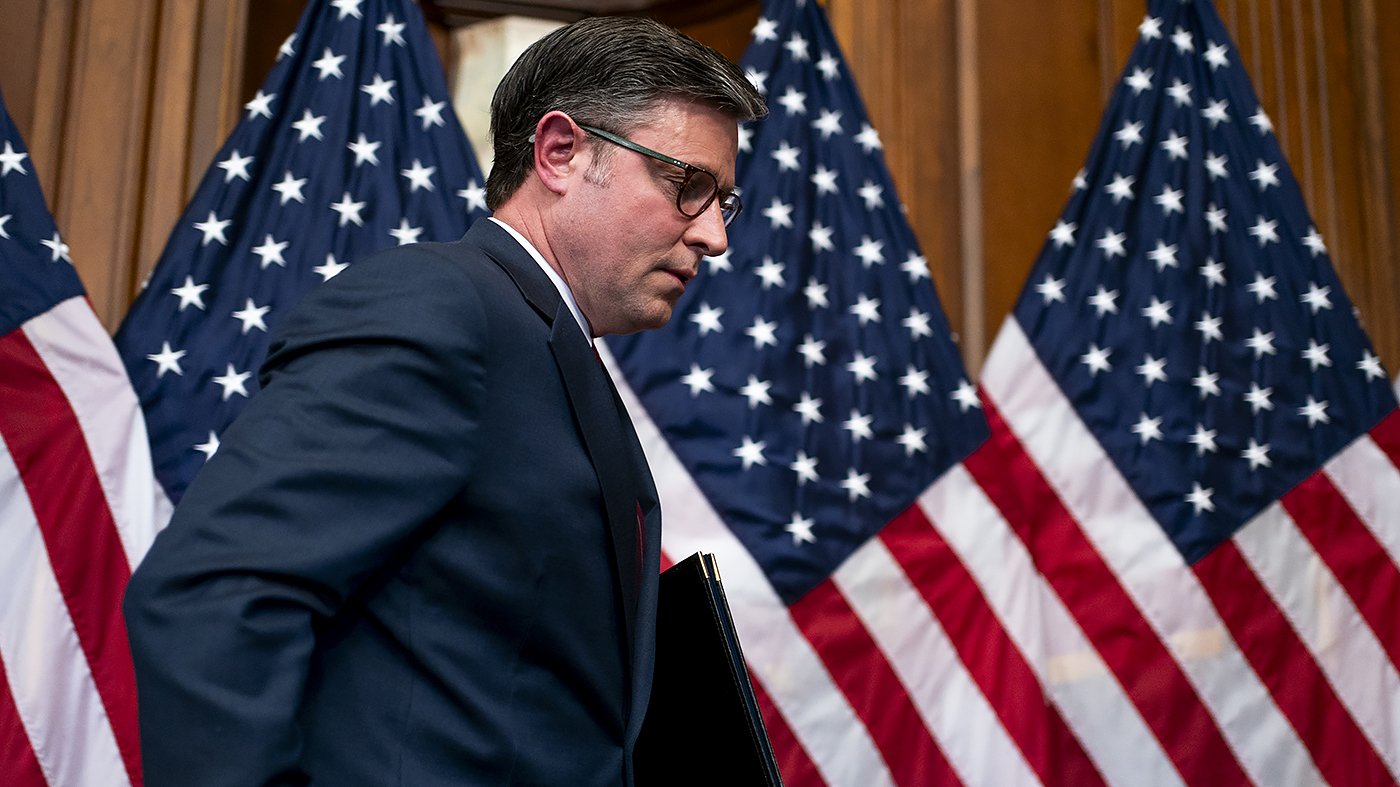
House Speaker Mike Johnson disclosed on Tuesday that he directly counseled former President Donald Trump to remove a controversial social media post featuring an AI-generated image widely interpreted as depicting Trump in a manner reminiscent of Jesus Christ. Johnson, a Louisiana Republican, told reporters at the Capitol that he raised concerns with Trump shortly after seeing the post, arguing the visual was not being received as intended.
"I spoke to the president about it immediately and expressed that I believed it was being perceived differently than he intended. He concurred and took it down. That was the appropriate course of action," Johnson stated. He added that Trump did not view the image as sacrilegious, but ultimately agreed to its removal.
The incident highlights the rare instance of Trump deleting a contentious post from his platform, a move prompted by significant criticism from within his own political base. The former president had framed the AI artwork as a representation of himself in a healing role, linking it to the Red Cross. "It's supposed to be me as a doctor, making people better, and I do make people better," Trump said on Monday.
The controversy unfolded against a backdrop of heightened tensions following Trump's recent sharp rhetoric on foreign policy, including a public clash with Pope Leo XIV over global conflicts. Former Rep. Marjorie Taylor Greene, now a vocal Trump critic, connected the image to these events on social media, writing, "On Orthodox Easter, President Trump attacked the Pope because the Pope is rightly against Trump's war in Iran and then he posted this picture of himself as if he is replacing Jesus." Greene, who has also criticized other aspects of Trump's messaging, denounced the post entirely.
Despite the swift deletion, Trump asserted on Tuesday that pressure from conservatives was not the reason for removing the image. Nevertheless, the post drew pointed disapproval from several prominent figures on the right, underscoring a rare moment of internal GOP friction over the former president's symbolic communication.
Conservative commentator Michael Knowles advised that deleting the picture was prudent "both spiritually and politically." Senator Thom Tillis of North Carolina was more blunt, calling the image "absurd." A lifelong Catholic, Tillis suggested Trump's advisors should have flagged the problematic optics immediately. "That should have been up for 30 seconds if he really felt that way. Some staff should have had a brain to let him know what it really was," Tillis said. He further cautioned that political figures challenging papal authority rarely benefit from the confrontation.
The episode reflects the ongoing challenges of navigating religious symbolism in digital political messaging, particularly as AI tools make provocative imagery easier to produce and disseminate. It also demonstrates the delicate balance GOP leaders like Johnson must strike in managing their relationship with Trump, who remains the party's presumptive presidential nominee, while addressing concerns from other quarters of the coalition.
This is not the first time Trump's online activity has prompted internal Republican dissent. The reaction to the AI image follows other recent incidents where his rhetoric has drawn rebukes from within the party, indicating persistent tensions over tone and strategy as the election cycle intensifies.