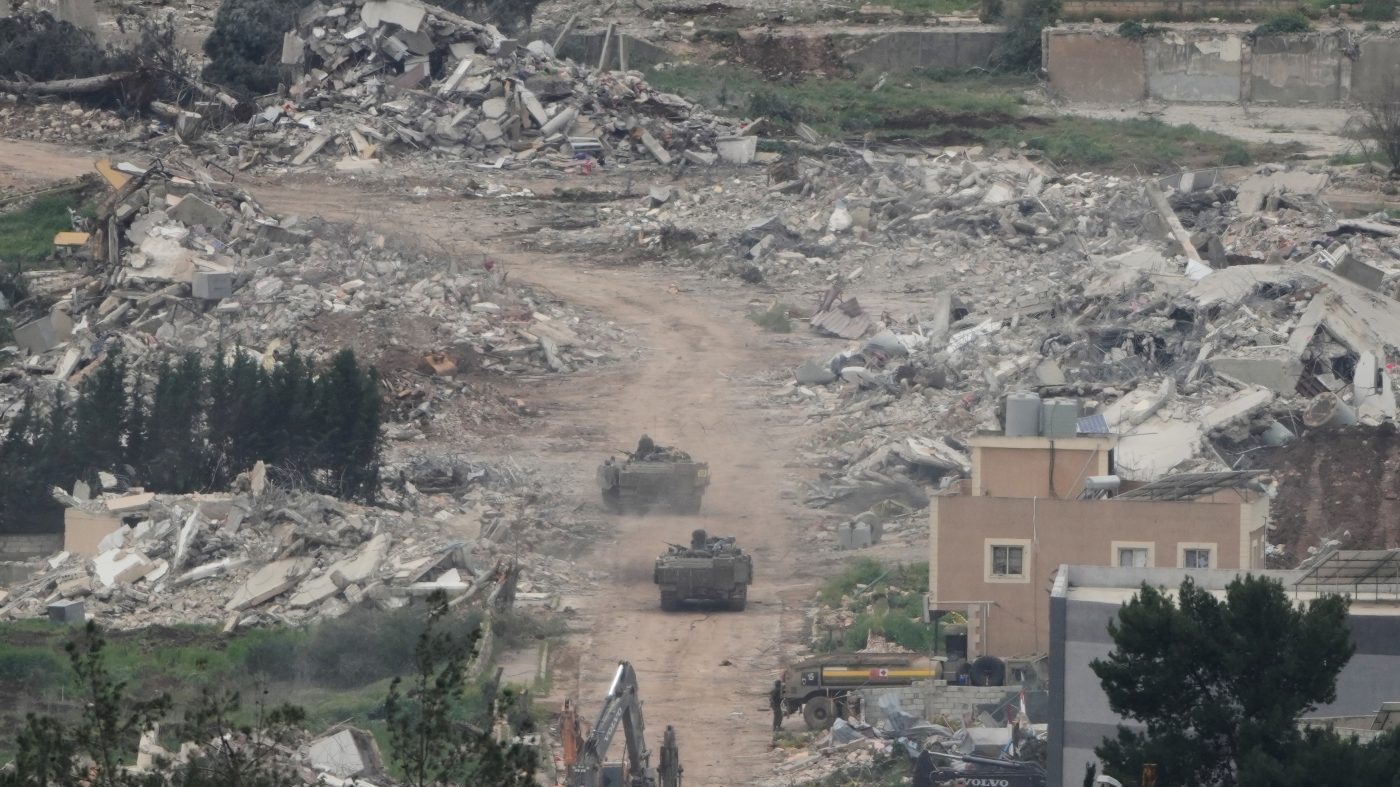
A fragile ceasefire between Israel and Lebanon took effect at midnight local time on Friday, temporarily halting weeks of cross-border violence that has killed over 2,100 people in Lebanon, including 172 children, according to Associated Press figures. The agreement, brokered with significant U.S. involvement, establishes a 10-day initial pause in fighting, with the potential for extension should negotiations progress.
Core Terms of the Agreement
The State Department outlined six key components of the deal. First, the initial 10-day cessation of hostilities began at 5 p.m. EDT Thursday. The framework explicitly describes this as a provisional period, leaving the door open for a longer-term arrangement should both parties engage in what the text calls "good-faith negotiations" toward "permanent security and peace."
Second, the agreement preserves Israel's right to "take all necessary measures in self-defense," a clause that reportedly drew scrutiny from figures like Senator Lindsey Graham (R-S.C.). The hawkish senator expressed concern on social media that any deal must not "throw Hezbollah a lifeline by restricting Israel’s ability to attack this terrorist organization." The text specifies that Israel's defensive rights are "not impeded" by the ceasefire, but it commits Israel to refrain from offensive operations against Lebanese targets.
Lebanese Obligations and Sovereignty
Third, the accord requires the Lebanese government to "take meaningful steps" to prevent Hezbollah and other militant groups from launching attacks against Israel. Hezbollah's initial response was ambiguous, stating its fighters' "hands will remain on the trigger," though the group has so far adhered to the truce.
Fourth, the deal formally affirms Lebanon's sovereignty and "exclusive responsibility" for its national defense, with all signatories acknowledging its independence. Lebanese President Joseph Aoun promptly called for the withdrawal of Israeli Defense Forces from southern Lebanon, asserting that the Lebanese Army would assume security control up to the international border.
U.S. Role and Political Maneuvering
Fifth, both nations have requested ongoing U.S. assistance in direct negotiations, aiming for a "comprehensive agreement that ensures lasting security." The State Department stated the U.S. intends to lead international support for Lebanon as part of broader regional stability efforts.
Sixth, the political dimension escalated quickly as former President Donald Trump inserted himself into the process. In a Truth Social post, Trump claimed he is inviting Prime Minister Benjamin Netanyahu and President Aoun to the White House for "the first meaningful talks between Israel and Lebanon since 1983," though he provided no date. This announcement comes amid other contradictory signals from Beirut regarding direct talks. Trump's move follows his earlier claim of a personal mediation role in the ceasefire.
The ceasefire follows a period where Israel intensified strikes on Lebanon, targeting the Iran-affiliated Hezbollah, even as a separate 14-day halt in fighting between Tehran and Washington was announced. Regional tensions remain high, with Iran announcing the Strait of Hormuz is "completely open," a statement whose implications for a reported U.S. blockade are unclear. The situation underscores the fragile, interconnected nature of Middle East conflicts, where progress on one front can be swiftly undermined by escalation on another, as seen in stalled diplomacy with Iran.
Ultimately, this ceasefire represents a diplomatic pause rather than a resolution. Its success hinges on Lebanon's ability to constrain Hezbollah, Israel's restraint, and the capacity of U.S. mediators to shepherd talks toward a more durable arrangement, all while managing the complex shadow of broader U.S.-Iranian hostilities.