Administration Rejects Ceasefire Extension Narrative
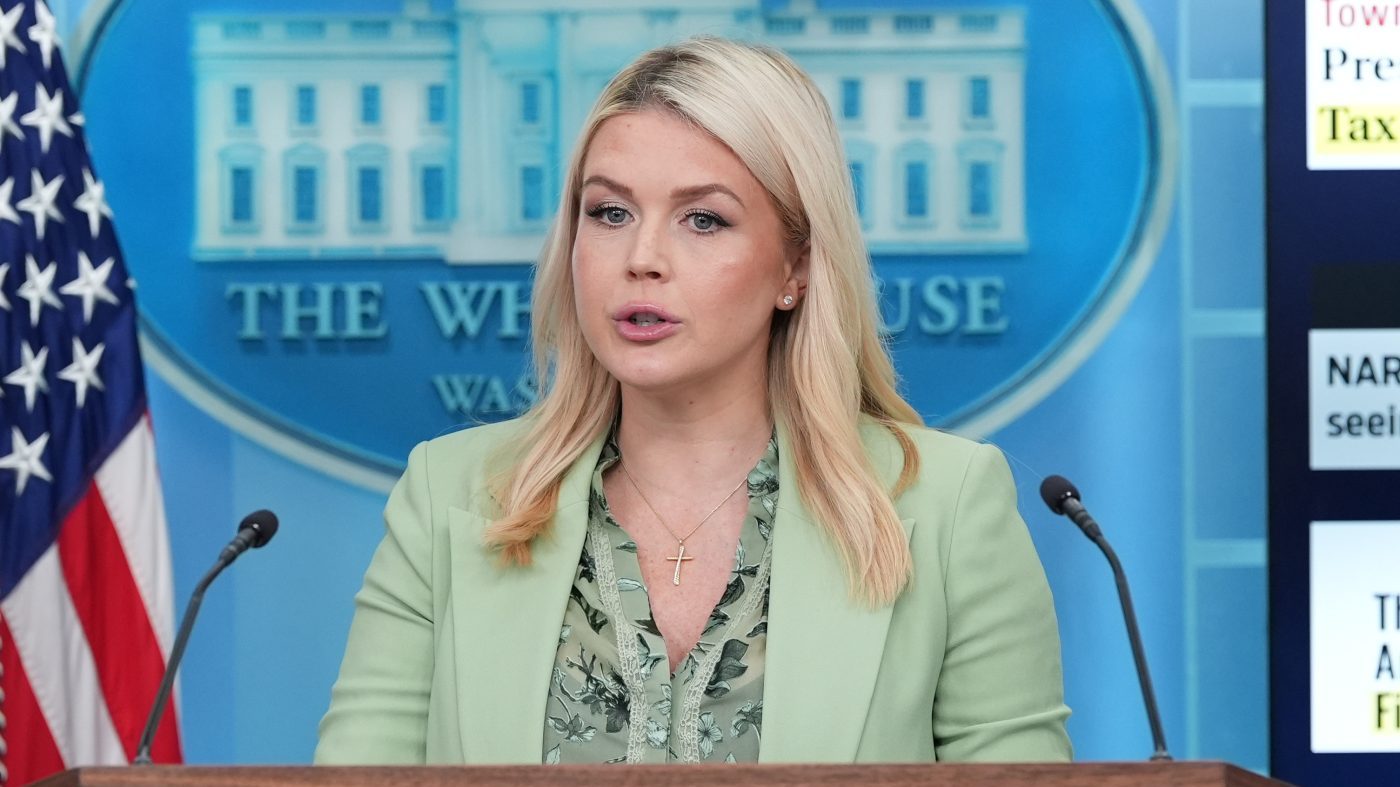
White House Press Secretary Karoline Leavitt forcefully dismissed media accounts on Wednesday suggesting the United States is actively seeking to prolong its current ceasefire with Iran. Directly contradicting what she termed "bad reporting," Leavitt stated unequivocally, "That is not true at this moment," when asked if Washington had formally requested an extension of the temporary truce.
Leavitt emphasized that diplomatic channels remain open, pointing to recent statements from both President Trump and Vice President JD Vance characterizing the discussions as productive. "We remain very much engaged in these negotiations, in these talks," she told reporters. "You heard from the vice president directly and the president this week that these conversations are productive and ongoing, and that’s where we are right now."
Marathon Islamabad Talks End Without Deal
The denial comes after a high-stakes diplomatic effort in Pakistan failed to yield a breakthrough over the weekend. Vice President Vance led an American delegation, which included chief Middle East envoy Steve Witkoff and former senior advisor Jared Kushner, to Islamabad for direct talks with Iranian officials.
Following an intensive 20-hour negotiating session that stretched into Sunday, both sides departed the Pakistani capital without securing a new agreement. Leavitt confirmed that arrangements are being made for another round of talks in Islamabad, though she declined to specify a timeline for the resumed discussions.
Pakistan has positioned itself as the principal mediator in the conflict, with its military chief, General Asim Munir, traveling to Tehran this week in an attempt to bridge the gap between Washington and the Iranian government. The diplomatic maneuvering occurs against a backdrop of continued military pressure, as the U.S. naval blockade of all Iranian ports entered its second day on Tuesday.
Military Pressure Continues Amid Diplomacy
The Pentagon announced that its forces have successfully interdicted maritime traffic, turning away six commercial vessels and effectively halting all seaborne trade from Iran. This economic and military squeeze adds a critical dimension to the negotiations, underscoring the administration's stated policy of applying maximum pressure while pursuing talks.
President Trump hinted at the fragile state of negotiations in comments to the New York Post on Tuesday, suggesting that substantive discussions "could be happening over the next two days" in Islamabad. The current two-week ceasefire, agreed upon just one week ago, provides a narrow window for diplomacy before hostilities could potentially resume.
The administration's dual-track approach—combining forceful military action like the strategic blockade of the Strait of Hormuz with high-level diplomacy—reflects the complex geopolitical calculus at play. This strategy has drawn both support and scrutiny, particularly as questions persist about the long-term strategic objectives of the confrontation.
The stalled talks and the White House's sharp denial of ceasefire extension reports indicate significant hurdles remain in resolving the conflict. The situation presents a major foreign policy test for the administration, with implications for global energy markets and regional stability. As the deadline for the temporary ceasefire approaches, the coming days in Islamabad will be decisive in determining whether the pause in fighting becomes permanent or gives way to renewed conflict.