In a significant diplomatic rupture, Israeli Prime Minister Benjamin Netanyahu announced the expulsion of Spain from a key U.S.-led military coordination center responsible for implementing peace plans in Gaza. The decision, delivered via a video statement on Friday, comes as a direct response to Spain's sustained criticism of the U.S.-Israeli military campaign against Iran and its recent condemnation of Israeli strikes in Lebanon.
"Israel will not remain silent in the face of those who attack us," Netanyahu declared. "Spain has defamed our heroes, the soldiers of the IDF, the soldiers of the most moral army in the world." He added that nations which "attack the State of Israel instead of terrorist regimes will not be our partners regarding the future of the region."

Spain's Stance on Iran and Lebanon
The friction stems from Spain's firm opposition to the conflict with Iran. Since hostilities escalated in late February, Madrid has repeatedly denied cooperating with U.S. military strategy, restricted American use of its air bases for operations against Iran, and ultimately closed its airspace to U.S. warplanes, citing violations of international law. This stance prompted a sharp rebuke from President Trump, who in March labeled "Spain has been terrible" and directed his Treasury Secretary to sever all trade dealings with the European nation.
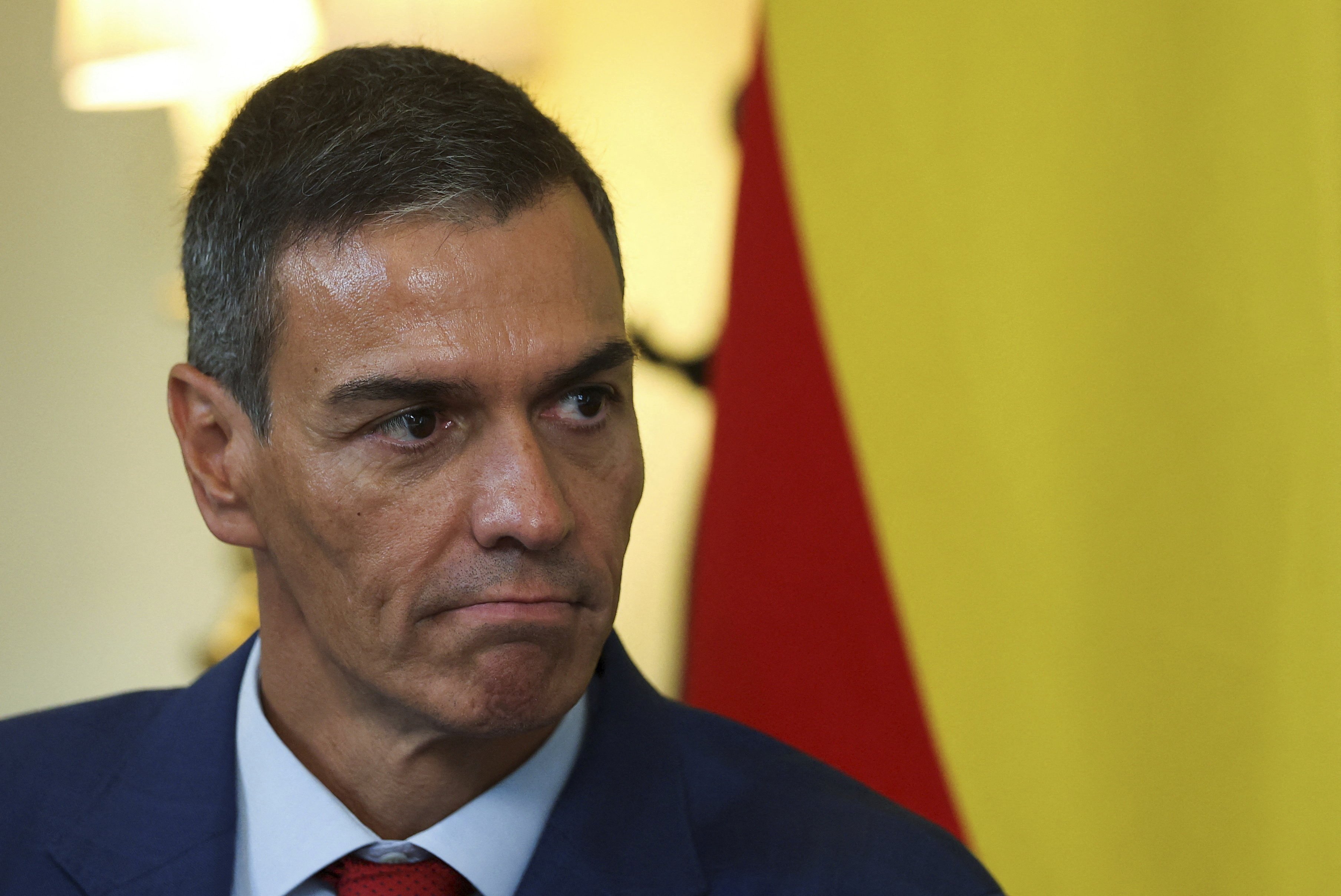
The rift widened this week when Spain condemned recent Israeli airstrikes against Hezbollah in Lebanon, which resulted in significant casualties. Madrid asserted the attacks violated international law and breached the fragile two-week ceasefire agreement recently negotiated between Washington and Tehran. Spanish Prime Minister Pedro Sánchez escalated the confrontation by calling on the European Union to suspend its treaty with Israel and personally criticizing Netanyahu on social media. "His contempt for life and international law is intolerable," Sánchez wrote, a sentiment echoed in his government's broader push for EU sanctions against Israel.
US-Led Center and Diplomatic Fallout
The multinational Civil-Military Coordination Center, based in Kiryat Gat and operating under U.S. Central Command, was established last October to oversee Washington's peace plan for Gaza. Israeli Foreign Minister Gideon Sa'ar stated he informed the United States of the decision to remove Spain prior to the public announcement. On social media, Sa'ar argued that "Spain's obsessive anti-Israel bias under Sánchez's leadership is so severe that it has lost all capacity to play a constructive role" in the U.S.-backed peace process.
This expulsion occurs against a complex geopolitical backdrop. The U.S.-Iran ceasefire remains tenuous, with Iran warning that talks are 'meaningless' if Israeli strikes continue. Meanwhile, the Biden administration is preparing to host Israel-Lebanon ceasefire talks amid the escalating cross-border violence. The move also highlights a growing transatlantic divide on Middle East policy, coinciding with shifting domestic American attitudes, as reflected in a recent Pew survey showing over 60% of Americans now hold an unfavorable view of Israel.
The decision underscores the Netanyahu government's strategy of aggressively penalizing allied nations that question its military conduct, even as it relies on U.S. diplomatic and military frameworks. It also demonstrates how the Iran conflict continues to strain Washington's alliances, forcing partners to choose sides in a widening regional confrontation. As Spain aligns itself with a more critical European position on Israeli operations, its removal from a core U.S.-Israeli coordination mechanism marks a concrete degradation of its role in Near East diplomacy.