Israel and Iran launched direct military strikes against each other on Monday, breaking a fragile ceasefire that had held since April and raising fears of a wider regional conflagration. The exchange marked the first time the two adversaries have directly attacked one another since the truce was brokered.
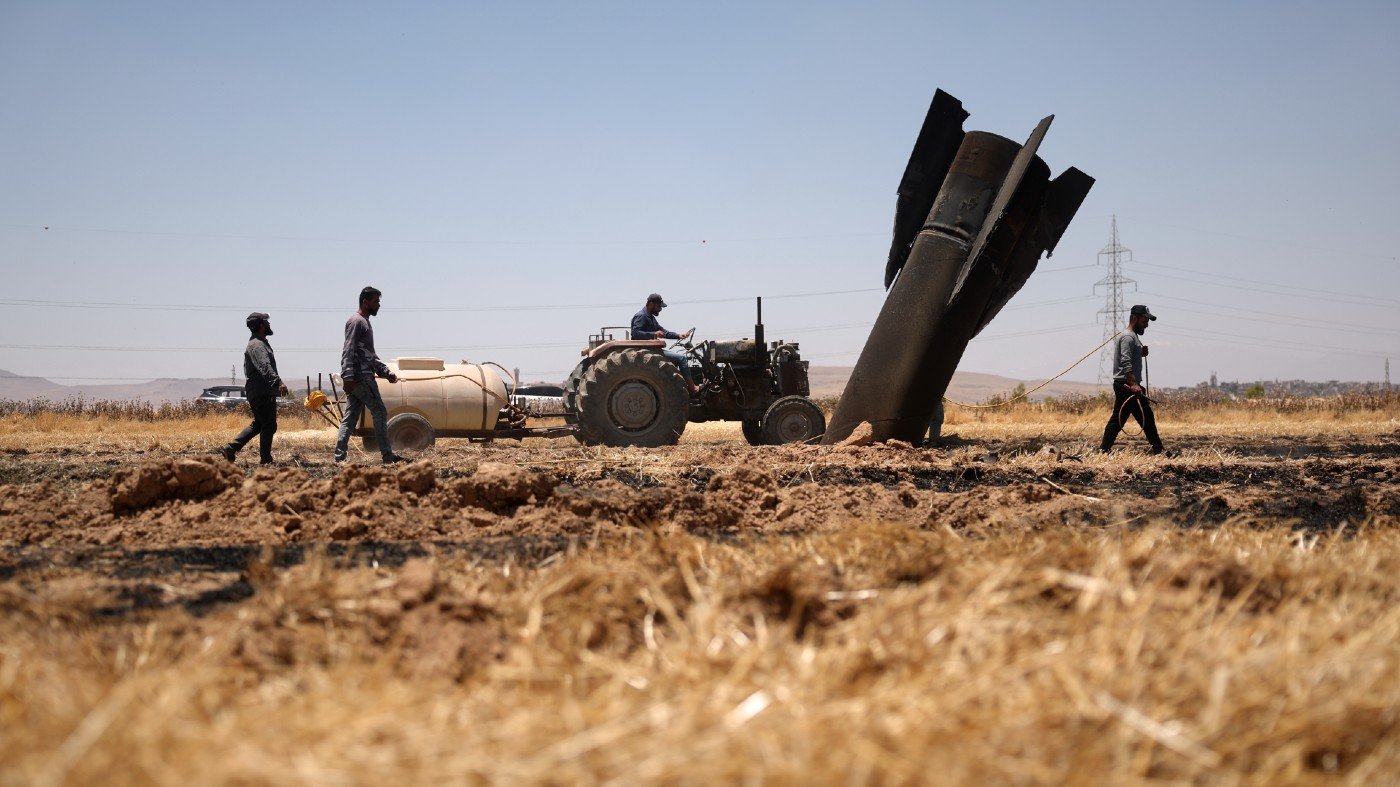
Israel announced it had hit petrochemical plants in the Iranian city of Mahshahr, which it said produce “unique materials that serve as critical components for the development of ballistic missiles.” The strikes were part of a broader operation that also targeted Iran-backed Hezbollah positions in Beirut’s southern suburbs.
Iran’s Revolutionary Guard confirmed it retaliated by striking two Israeli military bases. In a statement, the Guard warned that “should these acts of aggression be repeated, the responses will be broader in scope and will encompass all American and Zionist targets throughout the region.”
President Donald Trump publicly urged both sides to stop fighting, even as his administration works to finalize broader negotiations aimed at ending the U.S. conflict with Iran. According to Reuters, Trump spoke by phone with Israeli Prime Minister Benjamin Netanyahu before taking to Truth Social to announce that both countries are seeking a ceasefire.
“Both sides, Israel and Iran, are looking to do an immediate CEASEFIRE! Final negotiations on ‘Peace’ are proceeding, subject to ignorance or stupidity getting in its way,” Trump wrote. He added that “the Blockade will remain in place, and in full force and effect, until a ‘Final Deal’ is reached. Things should move quickly.”
Earlier in the day, Iran’s Foreign Ministry spokesman Esmail Baghaei told reporters that the United States bears responsibility for Israel’s actions. “No one believes that the Israeli regime would take any action without coordination with the United States,” Baghaei said. “The United States bears responsibility for the Israeli regime’s aggression, and it will also be responsible for the consequences of any escalation in tensions.”
The Iranian government said its strikes against Israel will remain defensive for now but warned that “much more severe and crushing measures than before will follow” if Israel continues its attacks in Lebanon. The threat came as Hezbollah rejected a U.S.-Lebanon ceasefire proposal, calling it humiliating and demanding an Israeli withdrawal.
The escalation has put the Trump administration in a delicate position, as it tries to balance support for Israel with the push for a negotiated settlement with Tehran. Trump’s demand for an immediate halt to hostilities underscores the fragility of the current situation and the risk of a broader war.
Analysts say the direct attacks mark a dangerous new phase in the Iran-Israel shadow war, which for years was fought through proxies and covert operations. The question now is whether both sides will pull back or whether the cycle of retaliation will deepen. Iranian hardliners have already defied Trump’s calls for calm, suggesting the ceasefire may be on the verge of collapse.