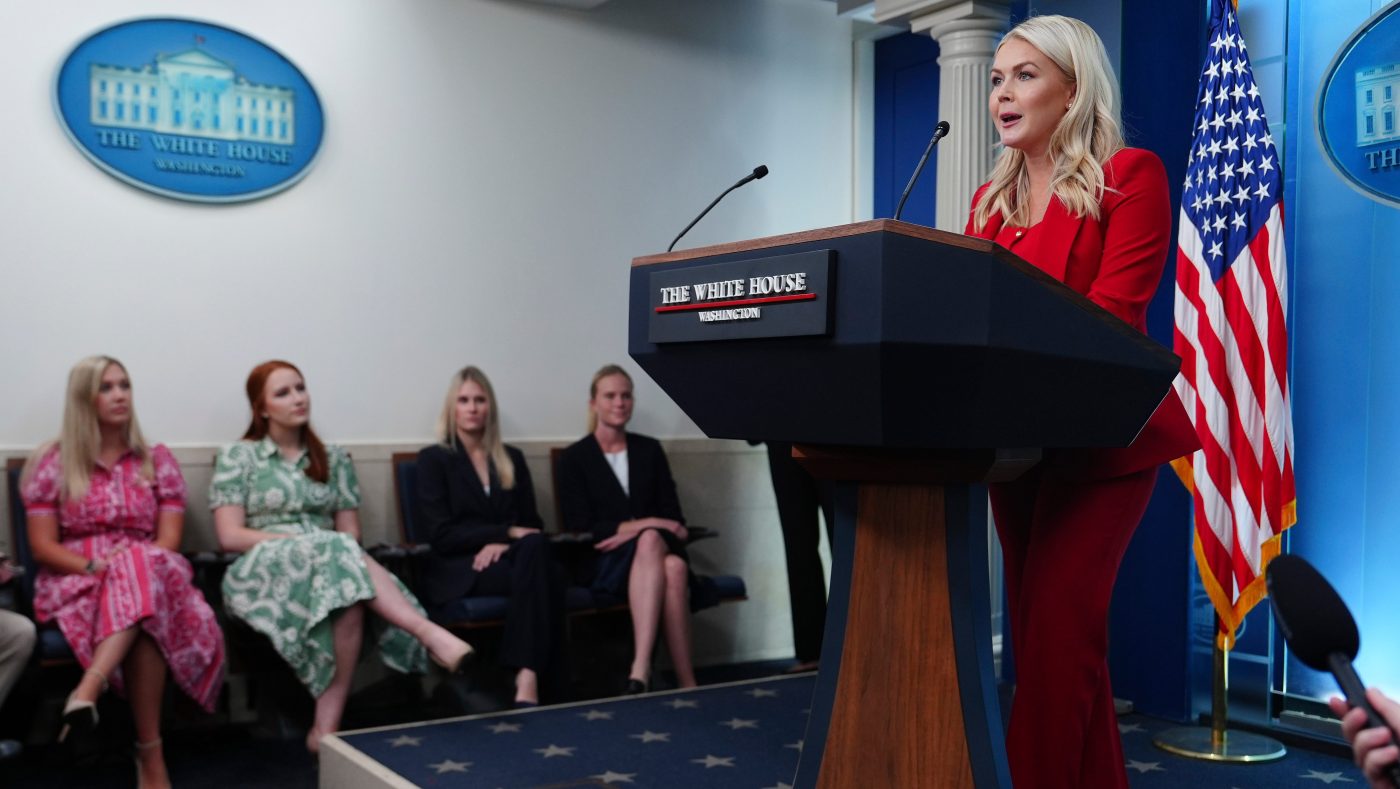
White House press secretary Karoline Leavitt on Thursday declined to provide additional specifics on the civilian nuclear agreement with Saudi Arabia, just hours after President Trump declared the deal contingent on the kingdom normalizing relations with Israel.
Speaking at a press briefing, Leavitt deflected repeated queries about the pact, which the Energy Department announced Wednesday as a signed framework. “The president is always the final dealmaker, as you know, and this is something that he has mentioned on numerous occasions going back,” she told reporters.
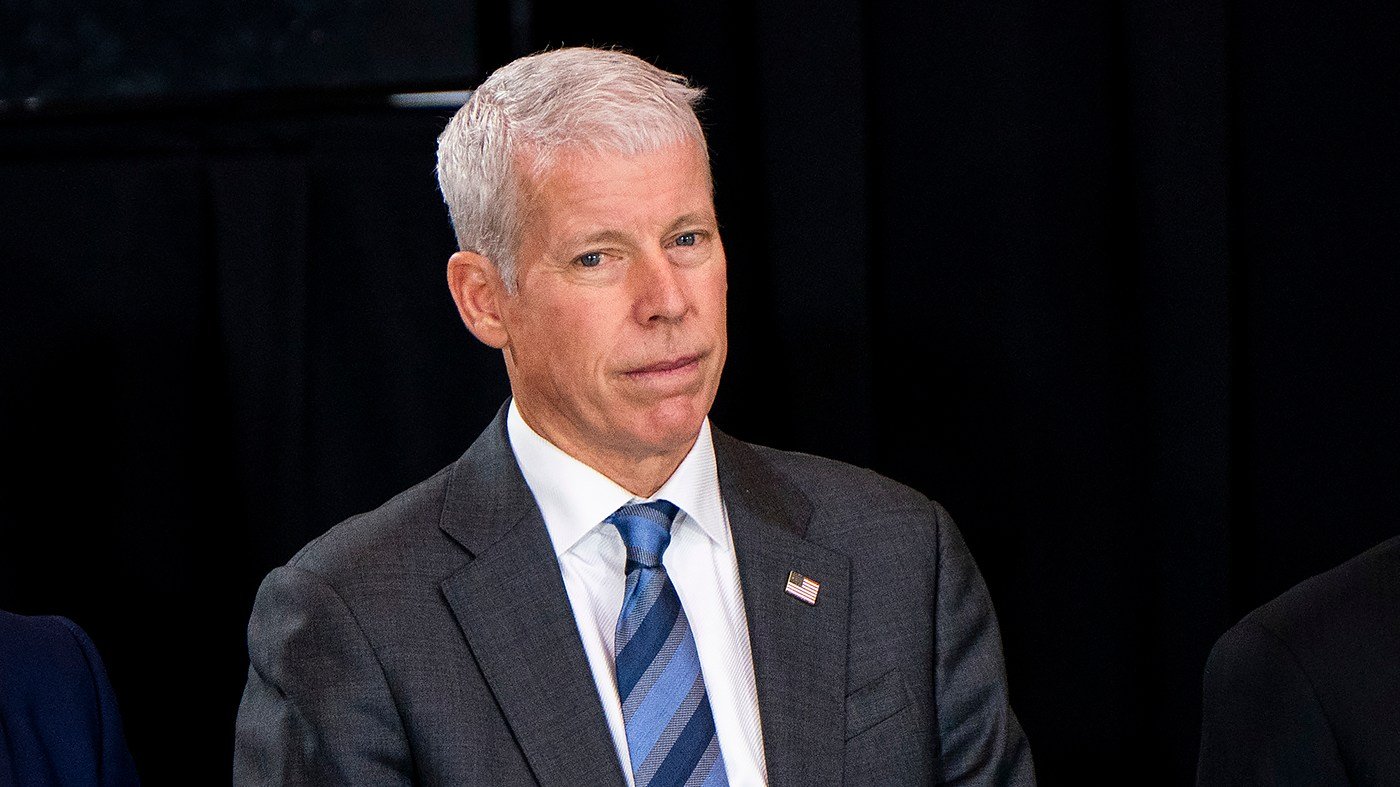
Leavitt reiterated Trump’s position that the nuclear arrangement hinges on Saudi Arabia joining the Abraham Accords. “I can provide you with those statements, and he has said if they don’t join the Abraham Accords, the deal is off,” she said. “So, we’ll continue to have those conversations with our Saudi counterparts moving forward.”
The agreement, billed as a decades-long, multibillion-dollar partnership, was signed Wednesday by Energy Secretary Chris Wright and his Saudi counterpart. However, the normalization condition was not mentioned in the signing announcement; Trump introduced it via a post on Truth Social early Thursday.
Leavitt declined to comment on the deal’s specifics, noting that negotiations are ongoing. “This agreement is still being worked out,” she added. “It will eventually, hopefully, be finalized with the condition that the president spoke about this morning.”
Trump earlier Thursday stated the nuclear deal would include “no enrichment of material” and would be “totally subject to Saudi Arabia joining the very respected and successful Abraham Accords.” The condition throws the entire agreement into uncertainty, as Riyadh has consistently linked normalization with Israel to progress on a Palestinian state—a demand rejected by Jerusalem.
Leavitt acknowledged that Saudi accession to the Abraham Accords has been discussed with the kingdom multiple times but said she did not believe Trump has spoken with Saudi Crown Prince Mohammed bin Salman since making the announcement. When asked whether Israeli Prime Minister Benjamin Netanyahu requested the normalization provision, she replied, “Not to my knowledge, no.”
The deal’s full framework has not been released and will be sent to Congress for review. The Trump administration’s push has already sparked criticism from nonproliferation advocates and pro-Israel hawks, who warn that sharing nuclear technology with Saudi Arabia could fuel an arms race in the volatile region. Meanwhile, the Houthi threat to Saudi oil tankers in the Red Sea adds further instability to the backdrop of these negotiations.
Leavitt’s evasiveness underscores the administration’s delicate balancing act as it seeks to advance a major energy partnership while extracting a diplomatic prize—normalization with Israel—that remains deeply contentious in the Middle East.