Iowa's Political Landscape Faces Potential Upheaval
The contest to succeed retiring Republican Governor Kim Reynolds in Iowa has tightened dramatically, with the nonpartisan Cook Political Report reclassifying the race as a "toss-up." This marks a significant shift for a state that has voted reliably Republican in recent federal and statewide elections, presenting Democrat Rob Sand with a credible path to the governor's mansion for the first time in nearly two decades.
Strategic Advantages and Structural Challenges
Sand, the state's Democratic Auditor and the only Democrat currently holding statewide office, enters the general election phase with substantial strategic benefits. He has no primary challenger, allowing him to conserve resources and define his message early. His campaign war chest of $13.2 million, reported to the Iowa Ethics and Campaign Disclosure Board, dwarfs the $3.2 million held by his likely Republican opponent, Congressman Randy Feenstra. Internal polling from both parties reportedly shows Sand leading in a hypothetical matchup.
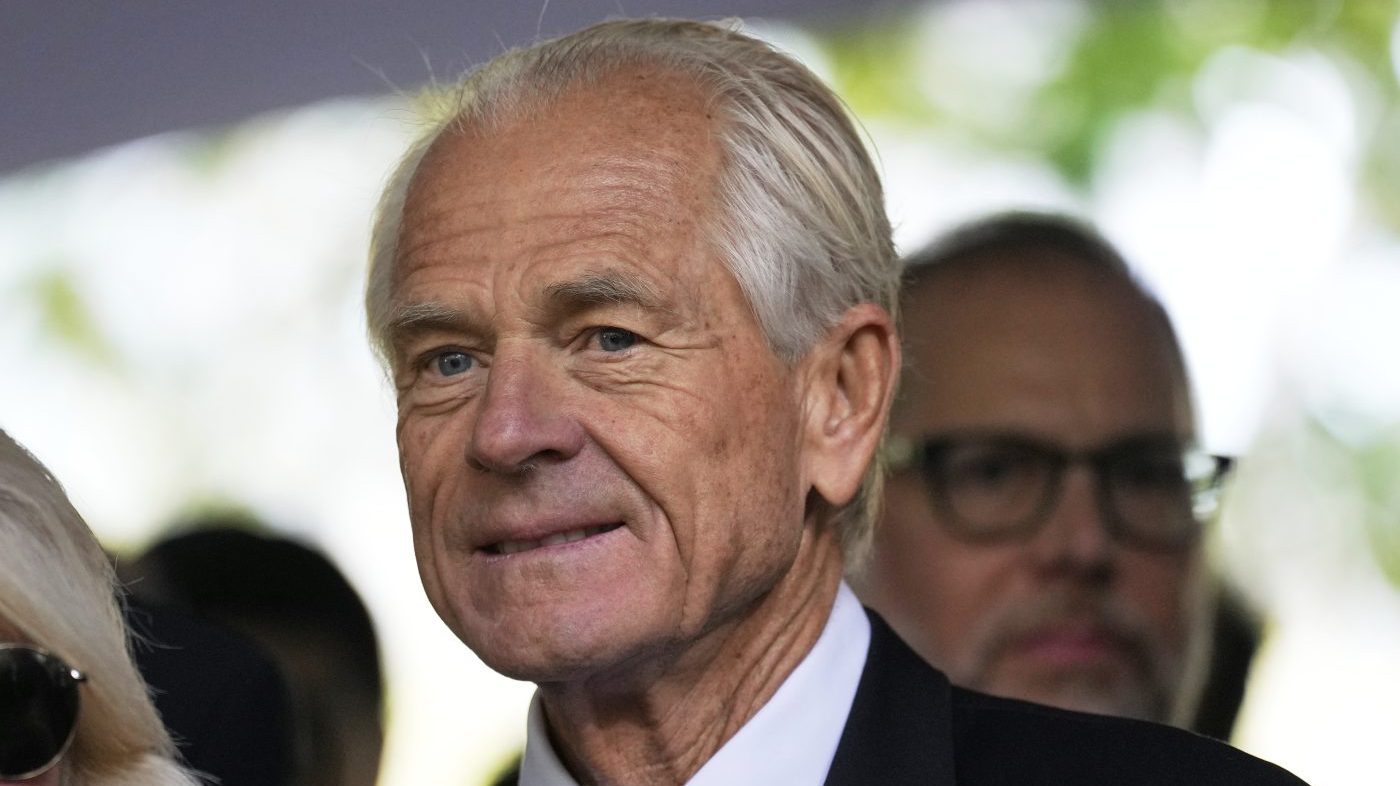
"It's closer than I would have expected it to be, given Iowa's recent shift to the right," said Megan Goldberg, a political analyst and professor at Cornell College. She noted that the absence of a "designated heir" to Reynolds has created a struggle for Iowa Republicans, while Sand has been able to run a de facto general election campaign for months.
Republican Fractures and Democratic Hurdles
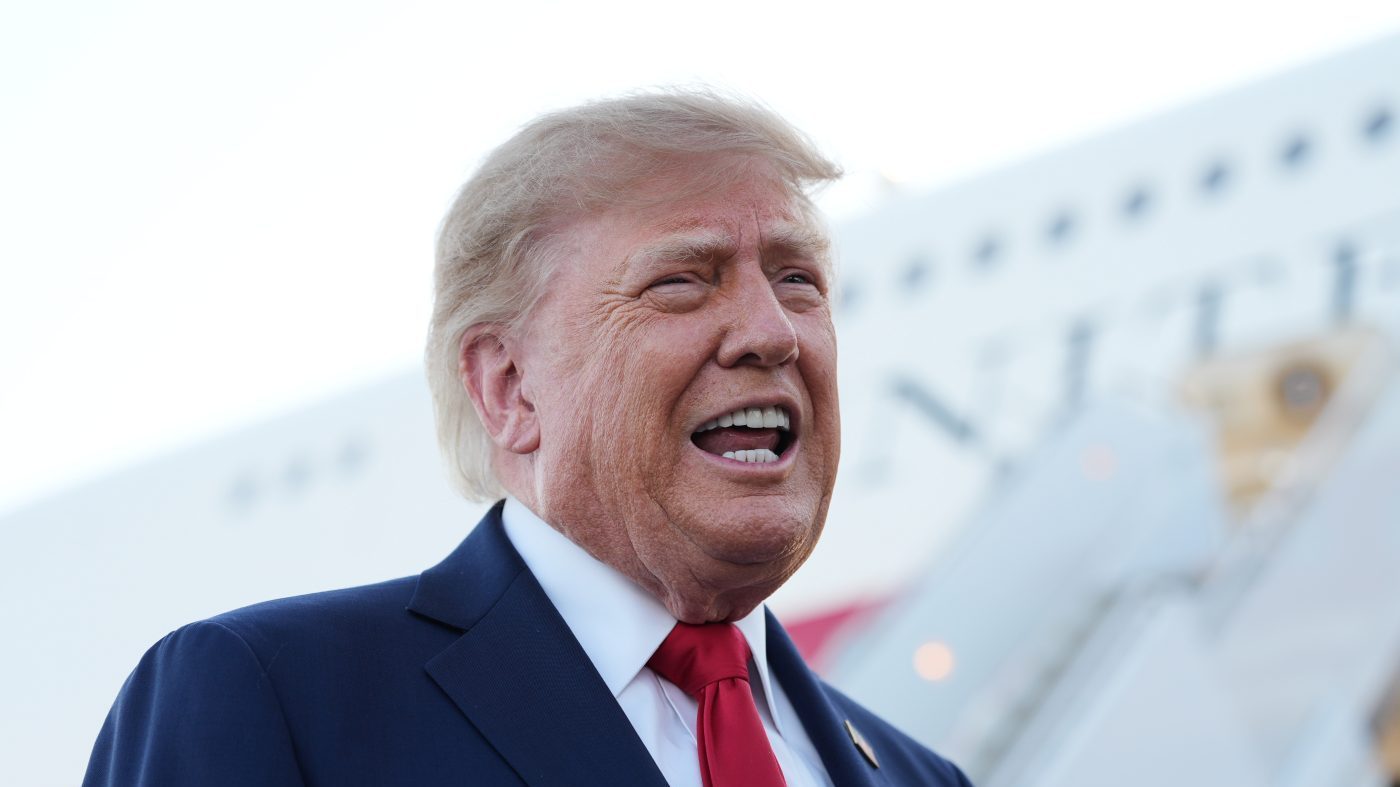
The Republican field remains crowded and contentious. Feenstra faces challenges from former state Representative Brad Sherman, current state Representative Eddie Andrews, and former state official Adam Steen, among others. This divisive primary could weaken the eventual nominee. Notably, former President Donald Trump has so far avoided endorsing in the gubernatorial race, a departure from his involvement in other key Iowa contests.
Despite Sand's advantages, the electoral math remains daunting for Democrats. Iowa's voter registration shows nearly 90,000 more active voters registered as "no party" than as Democrats, and Republicans hold a registration advantage of roughly 200,000. "If every registered Democrat showed up and voted for [Sand], it's unclear that he would actually even win," Goldberg observed, highlighting the campaign's need to appeal across party lines.
Sand's strategy hinges on his record of bipartisan work as auditor, a message crafted for a conservative-leaning electorate. "He's not using the kind of trite and tired rhetoric that has come out of Democratic candidates in the past," said longtime Iowa Democratic strategist Jeff Link, arguing Sand operates on a "new framework." This approach mirrors a broader Democratic effort to recalibrate messaging in challenging states, a dynamic also seen in discussions about the future of the party's national leadership.
Conflicting Assessments from Partisan Observers
The campaign and its observers are divided on the toss-up designation. Sand's deputy campaign manager, Emma O'Brien, hailed the rating as confirmation of "growing enthusiasm" for Sand's message of public service over partisanship. Republicans, however, pushed back forcefully. Outgoing Governor Kim Reynolds dismissed the notion on social media, stating, "Not with the Republican record." GOP strategist Luke Martz called the toss-up label "a pretty big stretch," pointing to high Republican voter registration and arguing Sand is "weak" after barely winning his 2022 auditor race.
The Iowa contest is now one of only a half-dozen gubernatorial races nationally rated as toss-ups, joining key battlegrounds like Arizona, Georgia, and Wisconsin. Its status underscores how open-seat races in otherwise predictable states can become competitive, a phenomenon that can shift the national political landscape. The financial disparity in Iowa echoes a trend seen in other critical races where Democratic candidates are outraising their GOP rivals, though money alone is rarely decisive in deeply rooted partisan environments.
As the June primary approaches, the race will test whether a Democrat with a carefully tailored, non-ideological pitch can overcome a pronounced Republican structural advantage. The outcome may signal whether the Democratic Party can make inroads in states that have shifted decisively to the right over the past decade, or if the GOP's organizational and registration edge will prevail in a post-Reynolds era.