AL DABBAH, Sudan — The Al-Affad camp, a government-run settlement on a patch of Sahara Desert along the Nile River, offers a harsh sanctuary for some of the 11.6 million Sudanese displaced by the country's civil war, which entered its fourth year on April 15. The camp's 25,000 residents include many who trekked roughly 745 miles—a month-long journey on foot—from their homes in North Darfur to reach relative safety.
The camp consists of tarp-covered tents and shelters made from dried reeds, with avenues of evenly spaced rows and a crude market selling soap, onions, and eggs. Temperatures hit 88 degrees Fahrenheit under a cloudless sky, with sand-laden winds making it hard to breathe. Older women beg for money, and children play in the dust.

Fadiya, a 20-year-old former nutrition student from El Fasher, fled when fighting erupted between the Sudanese Armed Forces (SAF) and the Rapid Support Forces (RSF) on April 15, 2023. She told a small group of visiting journalists on April 10 that the RSF forced her family to leave. “They forced us to leave El Fasher, not from ourselves,” she said, declining to be photographed. She and her family—her father, mother, three brothers, and three sisters—have been at the camp for six months.
“This place, it is not a condition to live. The weather is so hot, and we live in a tent,” Fadiya said bluntly. She dreams of returning to El Fasher, but the conflict shows no signs of abating. Both sides have powerful backers: Saudi Arabia, Turkey, and Qatar support the SAF, while the United Arab Emirates leads a regional coalition backing the RSF. The U.S. designated the RSF as committing genocide in 2025, and both sides have been accused of war crimes. The SAF now controls about three-quarters of the country.
Fadiya described hiding in a hole during the fighting. “We stayed in the hole until the shooting stopped, and come out of the hole like rabbits, can you believe it? So bad.” She added, “We lost our family, our neighbors, and also most of our country. That is why I hope in my gut to return, and everybody returns to his house.”
The camp, only a year old, is severely underresourced. It has just 200 toilet facilities for the 1,200 needed. A school accommodates only 450 of the 1,500 primary-age children, out of a total of 9,200 children in the camp. A clinic made of corrugated metal has cots and sparse supplies, staffed by a doctor, nurse, and midwife.
Among the residents is Tariq Faize Omar, a 20-year-old electrical engineering student who set up a cellphone charging station using solar panels. He charges less than $1 per device and sends about $90 monthly to his family still in Darfur. The camp also includes farmers, engineers, and others from various professions.
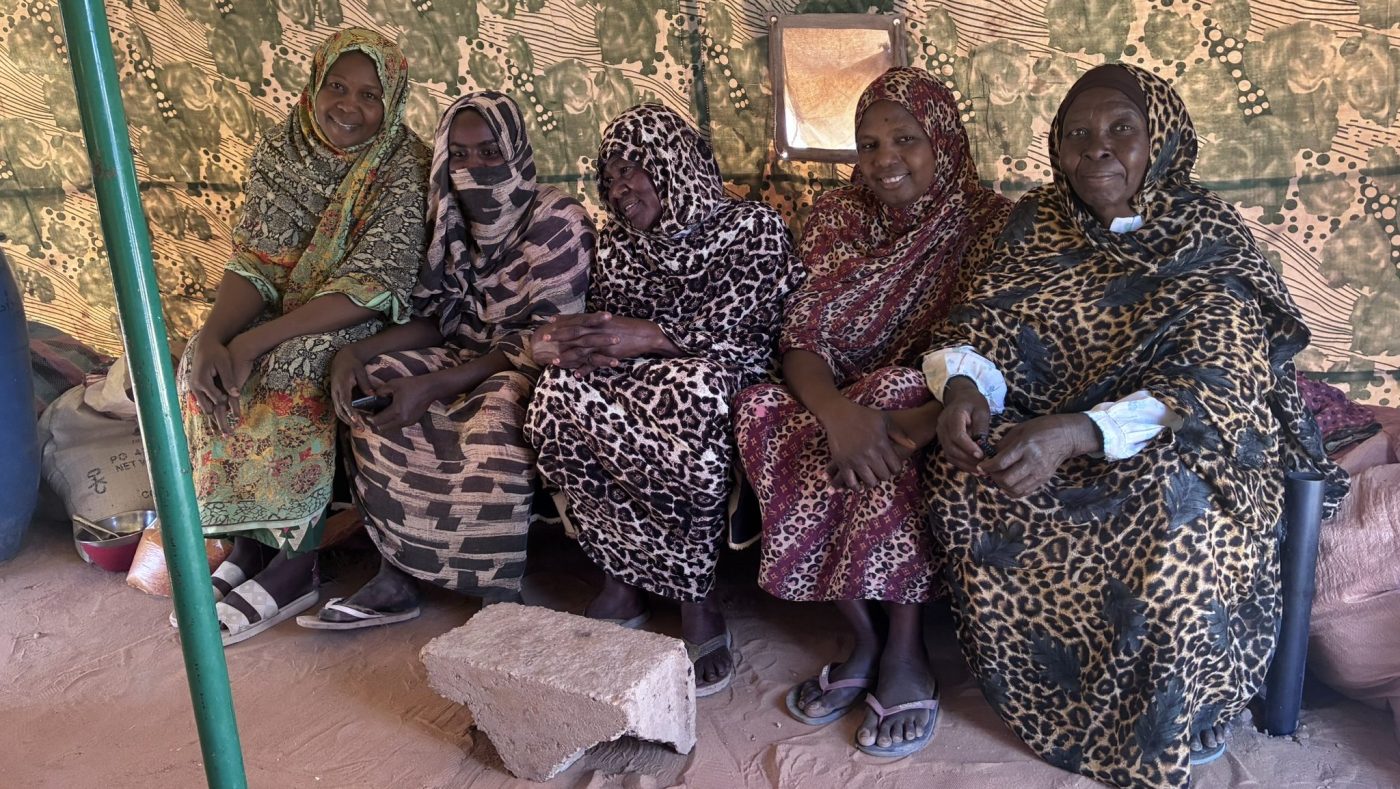
A group of women invited journalists into their tent, which was draped inside with colorful cloth. They sat on cots with little support, offering water from a blue plastic drum. The camp has a mosque where men and women pray separately, and a water tank for washing.
As Sudan's war grinds on, the Al-Affad camp remains a brutal refuge. For Fadiya and thousands like her, the hope of returning home is a distant dream amid a conflict that has shattered the nation. For more on the broader conflict, see our coverage of Sudan's army claiming victory in the capital and the role of UAE's security challenges in the Gulf that shape regional dynamics.