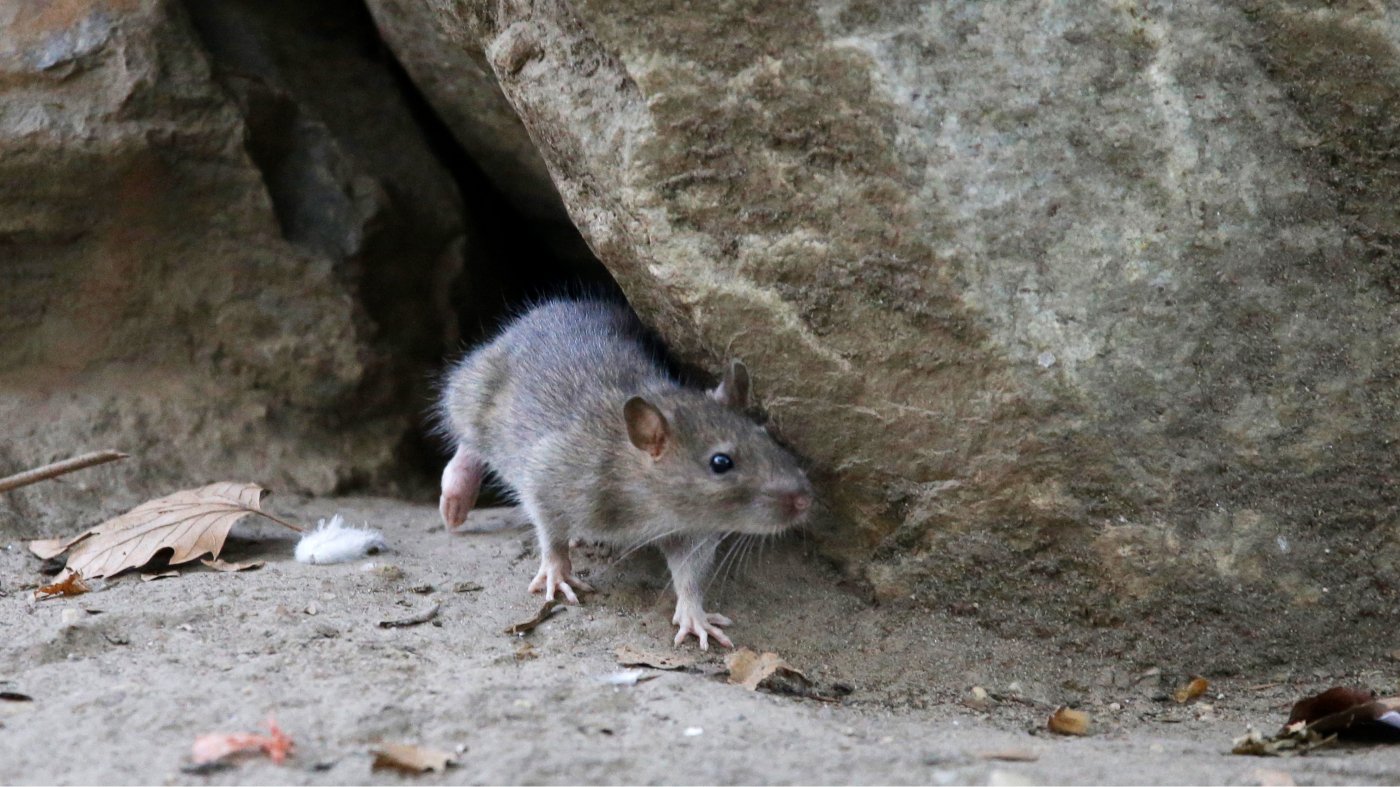
BOISE, Idaho — A sharp rise in rat sightings across the Boise metropolitan area has driven Idaho lawmakers to propose a bill that would empower local governments to tackle the growing rodent problem, a move one sponsor called a fundamental government responsibility.
State Rep. John Gannon, a Democrat, introduced the late-session measure alongside a bipartisan group of colleagues. The bill would classify invasive rat species as a public nuisance, a designation that currently does not exist under Idaho law. Without it, cities and counties say they lack the clear legal authority to intervene as rat populations spread into residential neighborhoods and commercial districts.
“I think it's a fundamental duty of government to take care of infestations such as this,” Gannon said in a statement, underscoring the urgency of the issue. The proposal does not mandate specific actions or allocate funding, but rather “empowers” local governments to develop their own response plans.
The legislation comes as Boise-area residents report a noticeable uptick in rodent activity, with some attributing the surge to construction, warmer weather, and increased food waste. While the bill has drawn bipartisan support, it has also sparked debate over the scope of government intervention in local pest control—a topic that resonates amid broader concerns about rising costs and regulatory reach, much like the Great Lakes gas price surges that have squeezed household budgets elsewhere.
The bill’s proponents argue that without a clear legal framework, local officials are hamstrung. “We’re seeing rats in places we haven’t before, and our hands are tied,” said a city official who spoke on condition of anonymity. The measure would allow counties and municipalities to declare a public nuisance, enabling them to coordinate extermination efforts, enforce property maintenance standards, and potentially seek state assistance.
Critics, however, worry about overreach. Some conservative lawmakers have questioned whether the bill could lead to unfunded mandates or infringe on property rights. The debate mirrors tensions seen in other states, such as the GOP redistricting push in Tennessee, where local control versus state authority remains a flashpoint.
The rodent problem is not unique to Idaho. Urban centers across the West have seen similar infestations, driven by climate change and urban expansion. But the Boise area’s rapid growth has amplified the issue, with new developments encroaching on rodent habitats. The bill’s bipartisan nature suggests a pragmatic approach, even as national politics remain polarized—a dynamic evident in debates over Iran’s execution surge and other international crises.
If passed, the “Rat Bill” would take effect immediately, given its late-session introduction. Lawmakers are racing against the clock as the legislative session winds down, but supporters are optimistic. “This isn’t about politics—it’s about public health and safety,” Gannon said. “We can’t afford to wait.”