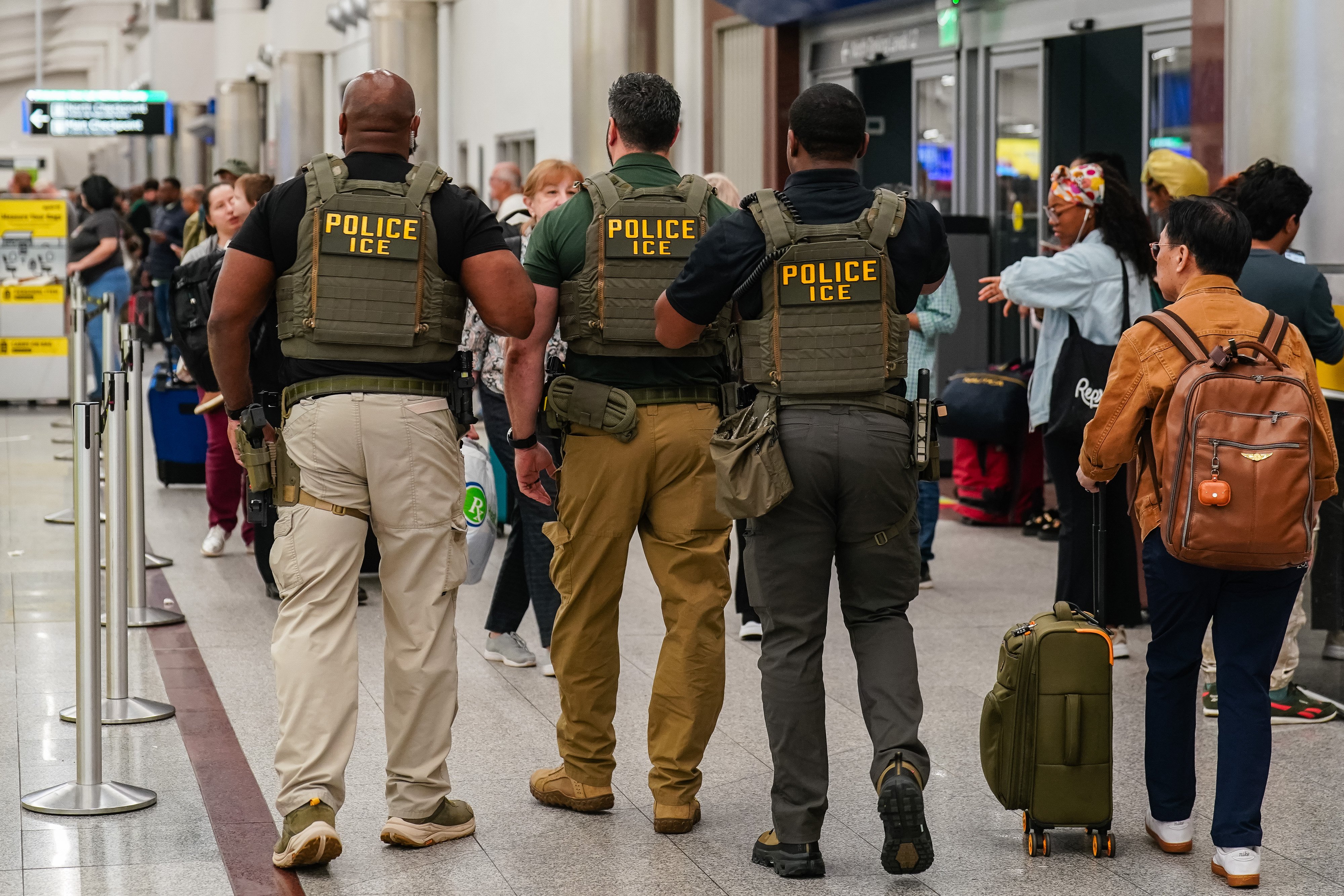
In a direct response to a mounting staffing crisis, officers from Immigration and Customs Enforcement have begun performing identification verification duties at Transportation Security Administration checkpoints in major airports nationwide. The deployment follows a standard TSA training regimen for what the agency calls "non-specialized screening" tasks.
A Stopgap for a Shutdown Crisis
Acting TSA Administrator Ha Nguyen McNeill informed the House Homeland Security Committee that ICE personnel are now stationed at selected airports, where they guard security lane entrances, manage crowds, and verify traveler identification using TSA equipment and protocols. The move comes as the Department of Homeland Security remains unfunded, forcing TSA officers to work without pay. Acting DHS Assistant Secretary Lauren Bis framed the deployment as logistical support, stating, "The more support we have available, the more efficiently TSA can focus on their highly specialized screening roles."
However, the critical staffing shortage is severe. McNeill revealed that over 480 airport screeners have resigned since the funding lapse began in mid-February, with the agency poised to lose $1 billion in unpaid wages. The absences and resignations have directly caused security wait times to "skyrocket" across the country.
On the Ground: Armed Officers at Checkpoints
Observations confirm ICE's new role. At Hartsfield-Jackson Atlanta International Airport, officers were seen instructing travelers to insert IDs into card readers and waving them toward scanners. At Phoenix Sky Harbor International Airport, armed ICE officers wearing ballistic vests checked documents and assisted with baggage flow on conveyor belts. The officers received "several days" of training this week for checkpoint operations, according to McNeill, who called the integration "extremely well" received.
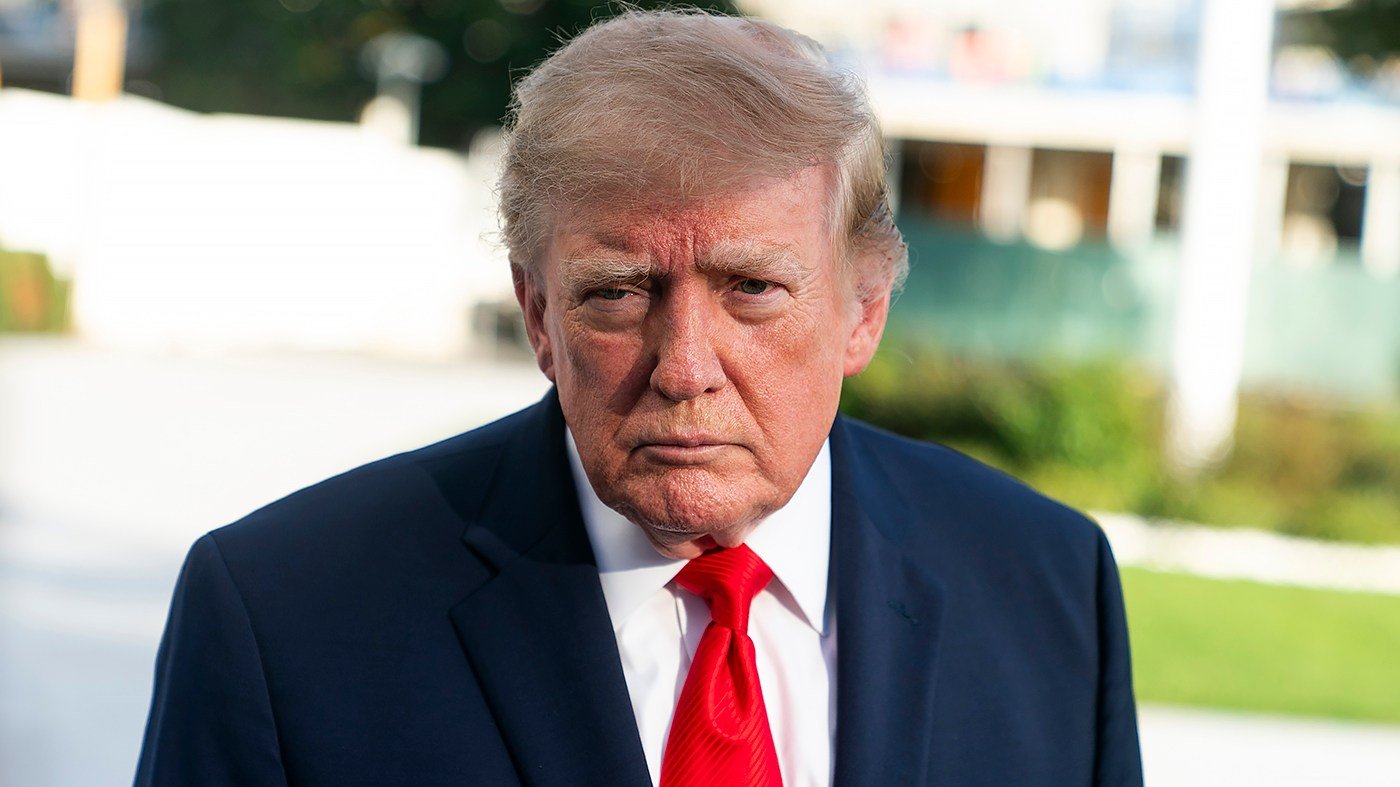
This operational shift is intensifying the political pressure to end the DHS shutdown. The deployment was ordered by President Trump starting Monday as a contingency measure.
Political and Operational Backlash
The rapid training and deployment drew immediate skepticism from lawmakers. During the hearing, Representative Troy Carter (D-La.) contrasted the "several days" of ICE training with McNeill's acknowledgment that proper TSA officer training requires four to six months. "Which spells exactly what I fear," Carter said. "That it's nothing more than window dressing and cheap theater and political performance."
TSA union leaders and officers have forcefully rejected the move as a distraction. "Look, at the end of the day, it doesn't matter what ICE is doing up there. They just need to pay the employees," said Johnny Jones, secretary treasurer for the AFGE's TSA Council. He called the presence of paid ICE officers alongside unpaid TSA staff "an insult." Another officer in Atlanta stated ICE is performing duties already handled by local city staff, offering no new operational relief.
The union's position is clear: the solution is not supplemental personnel but congressional action to fund DHS and pay screeners. Experts warn that the disruptions from the staffing exodus are not temporary; the TSA has warned that airport disruptions could persist for months even after the shutdown concludes, as rebuilding a trained workforce takes time.
The situation leaves travelers encountering a novel security landscape: armed immigration officers, typically focused on enforcement, now performing frontline screening roles. This visual underscores the deepening operational impacts of the political impasse over homeland security funding, raising questions about both security efficacy and the treatment of federal workers.