A top Transportation Security Administration official has warned that the operational fallout from the ongoing partial government shutdown will likely plague airports for weeks, and potentially months, beyond any congressional resolution to restore funding. The compounding effects of employee attrition, recruitment paralysis, and training delays threaten to extend travel disruptions deep into the spring and could compromise security preparedness for major upcoming events.
Staffing Exodus Accelerates
Deputy TSA Administrator Adam Stahl stated that the "knock-on ramifications of attrition" are creating a severe personnel crisis. He noted that the instability caused by the shutdown is actively dissuading potential hires, citing a 25% increase in employee departures following a previous funding lapse last fall. According to agency figures, more than 1,100 officers left during the 2025 shutdown, and over 480 have resigned since Homeland Security funding expired on February 14.

The financial strain on employees is exacerbating the problem. With TSA workers having already missed one paycheck and facing another this Friday, a growing number are calling in sick because they cannot afford to work without pay. This trend is creating a critical staffing crisis at major airports nationwide.
Operational Breakdown at Checkpoints
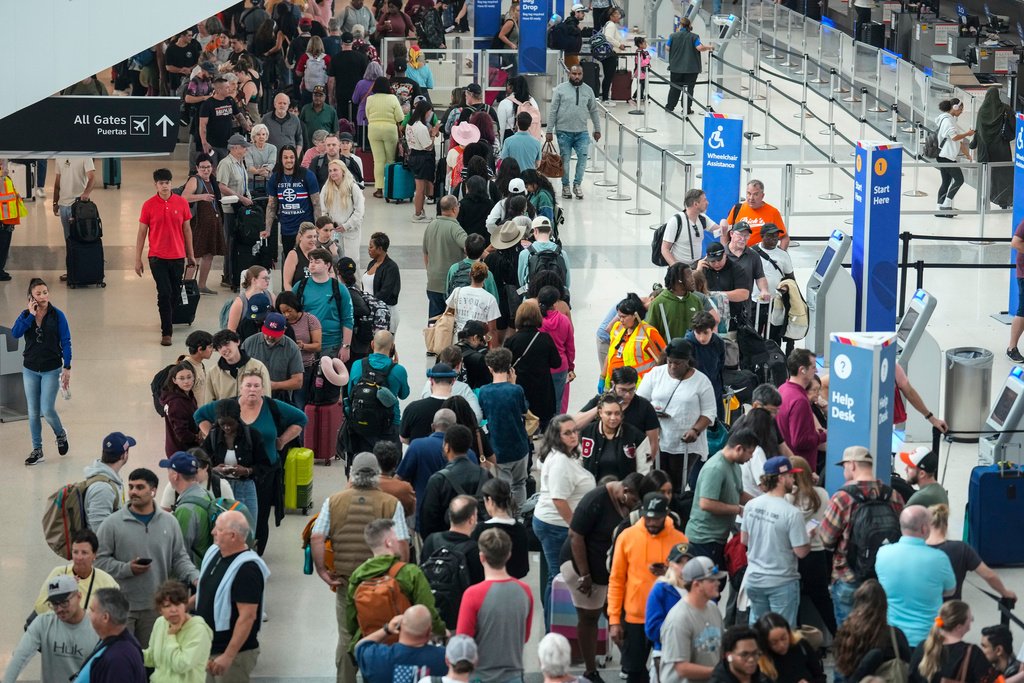
Acting TSA Administrator Ha McNeill informed lawmakers that callout rates have recently surged to between 40 and 50 percent at several U.S. airports. This acute shortage of screeners, colliding with a busy spring break travel period, has resulted in massive security checkpoint backlogs. Travelers at some of the nation's busiest hubs are now facing wait times stretching several hours.
The situation has become so dire that airlines are offering limited relief to stranded travelers, but the core issue remains a federal workforce in crisis. The agency's ability to manage routine peak travel is now in question, raising alarms about its capacity for future high-demand scenarios.
Long-Term Security Implications
Perhaps the most significant concern is the shutdown's impact on long-term security readiness. Stahl revealed that TSA is experiencing a "four-to-six-month lag" in its training and recruitment pipeline. Even if funding were restored immediately, the process of vetting, hiring, and training new officers means they would not be operational for an extended period.
This delay directly threatens security planning for the 2026 FIFA World Cup, which will see 78 matches played across 11 U.S. cities, requiring a massive surge in aviation security personnel. "Those individuals will not be trained ahead of the World Cup," Stahl bluntly cautioned, highlighting a serious risk to World Cup security preparations. The staffing crisis unfolds against a complex global backdrop where other security challenges, such as the stalled ceasefire talks and military buildup with Iran, demand constant attention.
The warnings from TSA leadership paint a picture of an agency whose operational foundation has been severely damaged by the political impasse. The consequences—from immediate travel chaos to compromised long-term security preparedness—underscore how budgetary standoffs in Washington create tangible, lasting vulnerabilities for the nation's critical infrastructure.