Conservative media spend a lot of time blasting the "mainstream press" for getting stories wrong—and often, they're right. But when it comes to President Trump's disastrous war with Iran this year, many conservatives, including this author, got it badly wrong.
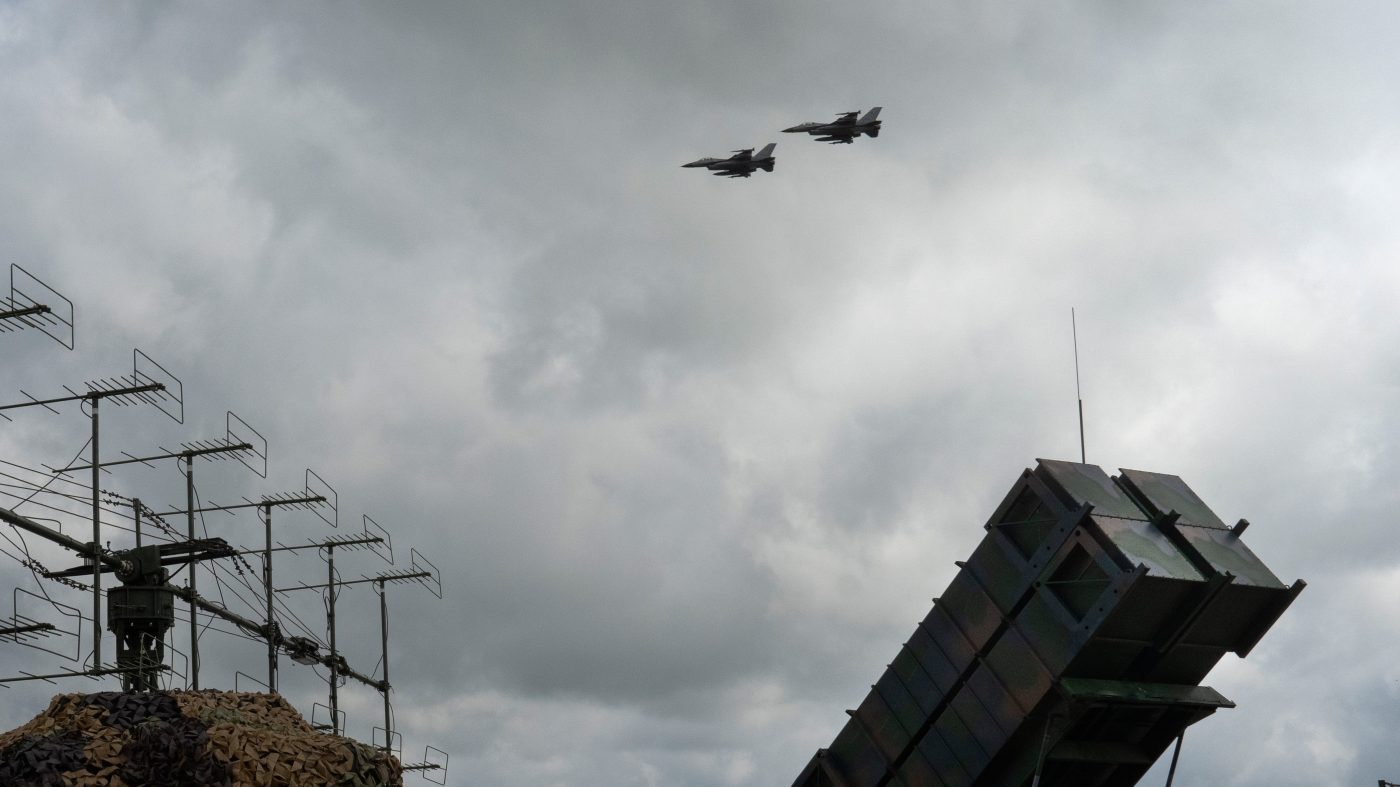
Last week, Trump signed a 60-day "Memorandum of Understanding" with Tehran, effectively ending U.S. military action in the Strait of Hormuz. The agreement came after Iran, using little more than mines and its remaining naval assets, forced the world's most powerful military to the negotiating table. The U.S. Navy, despite pummeling Iranian forces, was unable to keep the strait open—a stunning failure that echoes the Suez Crisis for our British allies.
The most astonishing part of this capitulation is that the White House apparently launched strikes with no contingency for Iran blocking the Strait of Hormuz—a scenario military strategists have warned about for decades. This is where conservative media owe an apology, especially to CNN.
In March, CNN reported that top Trump officials admitted to lawmakers in classified briefings they had no plan for Iran closing the strait. At the time, I called the story "completely unbelievable on its face." I was wrong. CNN's sources were right, and the White House's incompetence was exactly as advertised.
The resulting deal is a humiliation. The U.S. agreed to lift all sanctions, unfreeze billions in Iranian assets, and allow Iran to keep its nuclear and ballistic missile programs. The memorandum also commits Gulf states to pump at least $300 billion into Iran for "reconstruction." In return, the U.S. gets only Iran's promise not to build a nuclear weapon—a promise that can be broken at will.
The deal explicitly allows Iran to designate any beneficiary for unfrozen funds, meaning the world's top state sponsor of terrorism can funnel money to its proxies. Meanwhile, the Strait of Hormuz is reopened only temporarily; Iran can shut it again anytime, and the U.S. has no answer.
This is not a peace agreement; it's a surrender. The White House's only goal was to get oil flowing again, and it threw away every lever of leverage to do so. As Energy Secretary Wright faces House grilling over budget and oil prices, the true cost of this deal is only beginning to emerge.
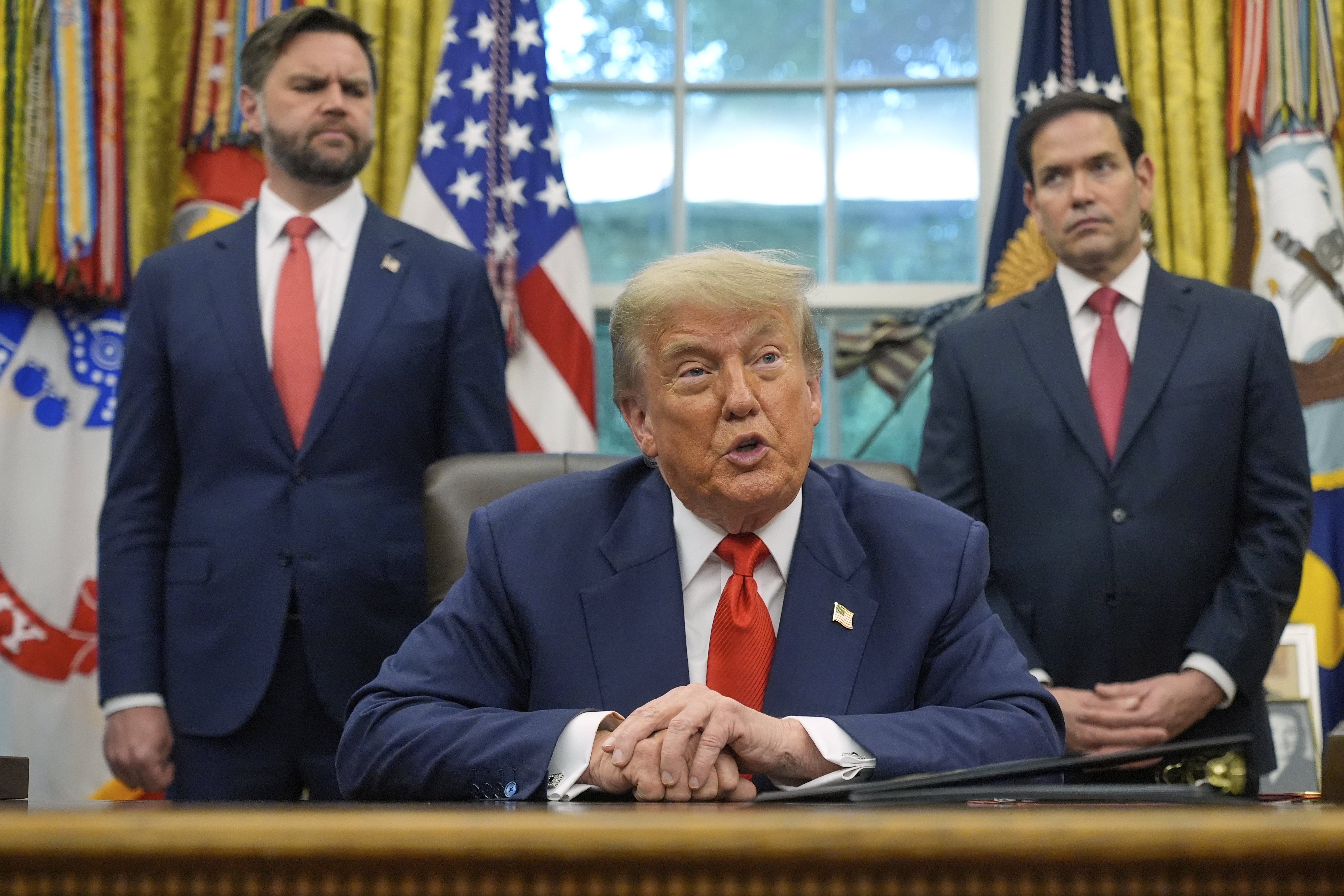
Vice President J.D. Vance, one of the deal's architects, initially dismissed leaked details as "Iranian propaganda"—an admission that the agreement was so bad its creators had to lie to sell it. Now, with billions in sanctions relief heading to Tehran, Iran will rebuild its arsenal and fund attacks on U.S. allies.
The memorandum is a catastrophic failure of strategy and leadership. It proves that the White House went to war with no plan, then negotiated from weakness. The U.S. got nothing but a piece of paper—and Iran got everything.