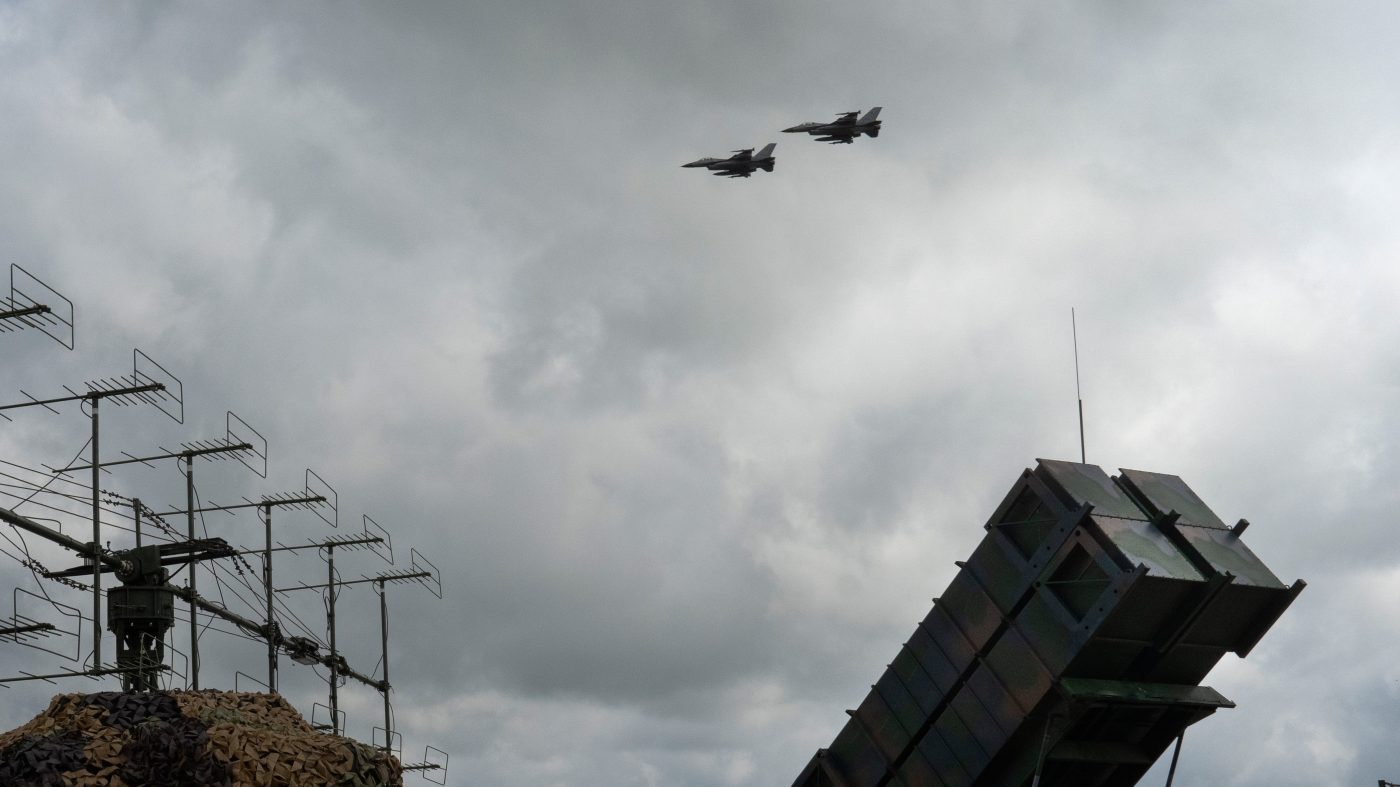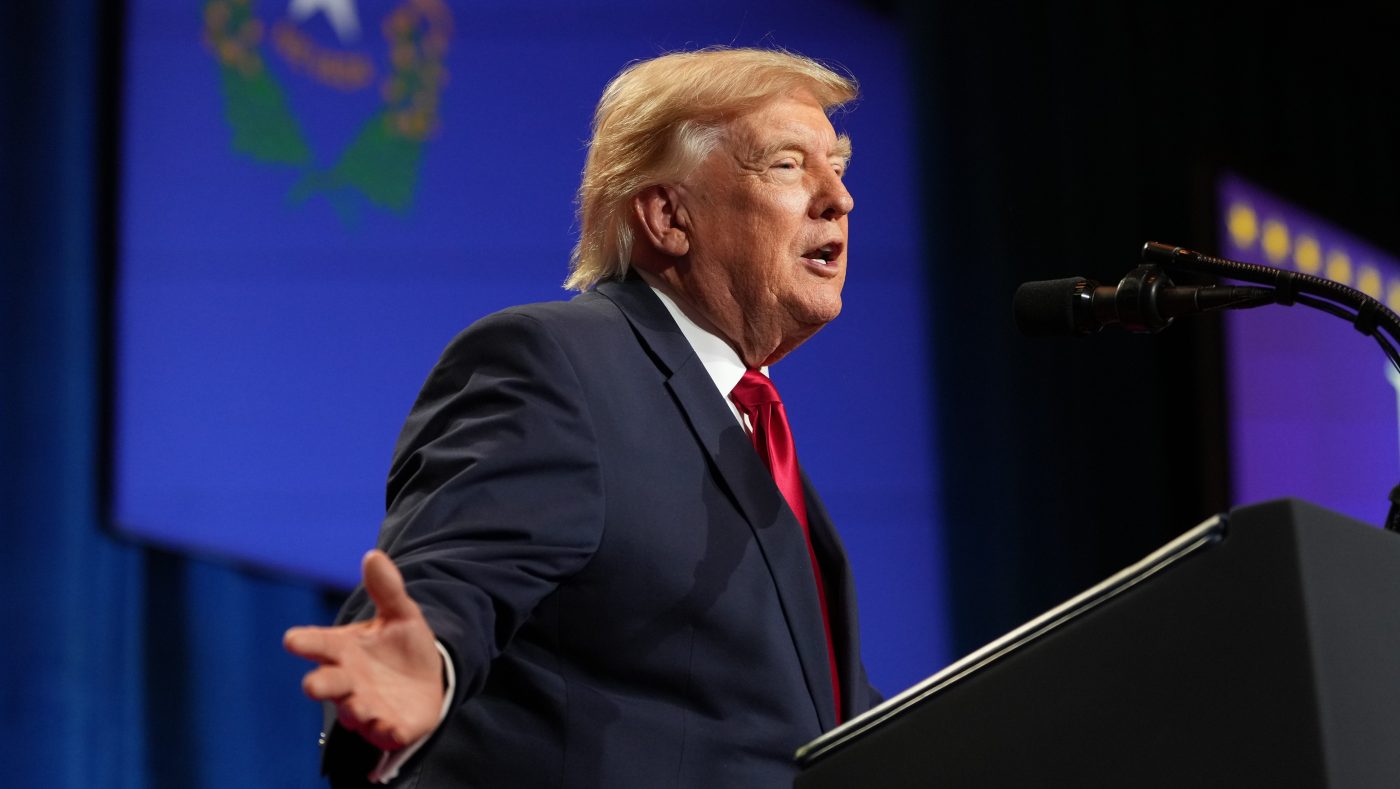
President Trump on Thursday rejected media reports that the U.S. military is running low on munitions during the ongoing conflict with Iran, and he threatened severe consequences for those who disclosed sensitive information to the press.
In a post on Truth Social, Trump asserted that the United States possesses "massive amounts" of munitions, particularly in certain categories, and that production and shipments are increasing to meet demand. He did not provide specific figures or address the detailed inventory reports that have emerged this week.
Multiple news outlets have reported that the Pentagon has nearly depleted its stockpiles of long-range missiles and interceptors since the war began more than five months ago. According to Reuters, the Army has used "virtually all" of its Army Tactical Missile Systems (ATACMS) and Precision Strike Missiles (PrSM), each costing over $1 million. CNN reported that the U.S. has expended nearly 80 percent of its Terminal High Altitude Area Defense (THAAD) interceptors and about half of its Patriot interceptors.
The Defense Department announced on Monday that it had reached agreements with Northrop Grumman and Lockheed Martin to significantly increase production of interceptor components. The deals aim to triple production of Patriot Advanced Capability-3 interceptors and quadruple THAAD interceptor output, according to a Pentagon release.
Trump touted these expansions, claiming defense companies are "building the largest number of plants and factories" in American history. He then pivoted to attack the sources behind the reports, labeling the leaks "treasonous" and stating that the individuals responsible are "being hunted down" and will face "long term jail sentences."
The president's threats come amid a broader administration crackdown on unauthorized disclosures. Last month, the Justice Department subpoenaed four New York Times reporters as part of an investigation into leaks about the Secret Service's concerns regarding a Qatari-gifted jet used by Trump. That probe was later dropped.
White House press secretary Karoline Leavitt also disputed a Washington Post story claiming that Trump and Defense Secretary Pete Hegseth clashed over munitions shortages during a Camp David meeting. Leavitt, who attended the meeting, called the report "literally never happened" and dismissed it as a "B.S. story" peddled by someone seeking to undermine Hegseth. She added that Trump "loves" Hegseth and believes he is doing a "tremendous job." White House communications director Steven Cheung echoed that sentiment, branding the Post's report as "FAKE NEWS."
The administration's response highlights the growing tension between the need for transparency on military readiness and the executive branch's aggressive stance against leaks. As the conflict with Iran continues, the accuracy of these inventory reports and the administration's assurances will remain under scrutiny.