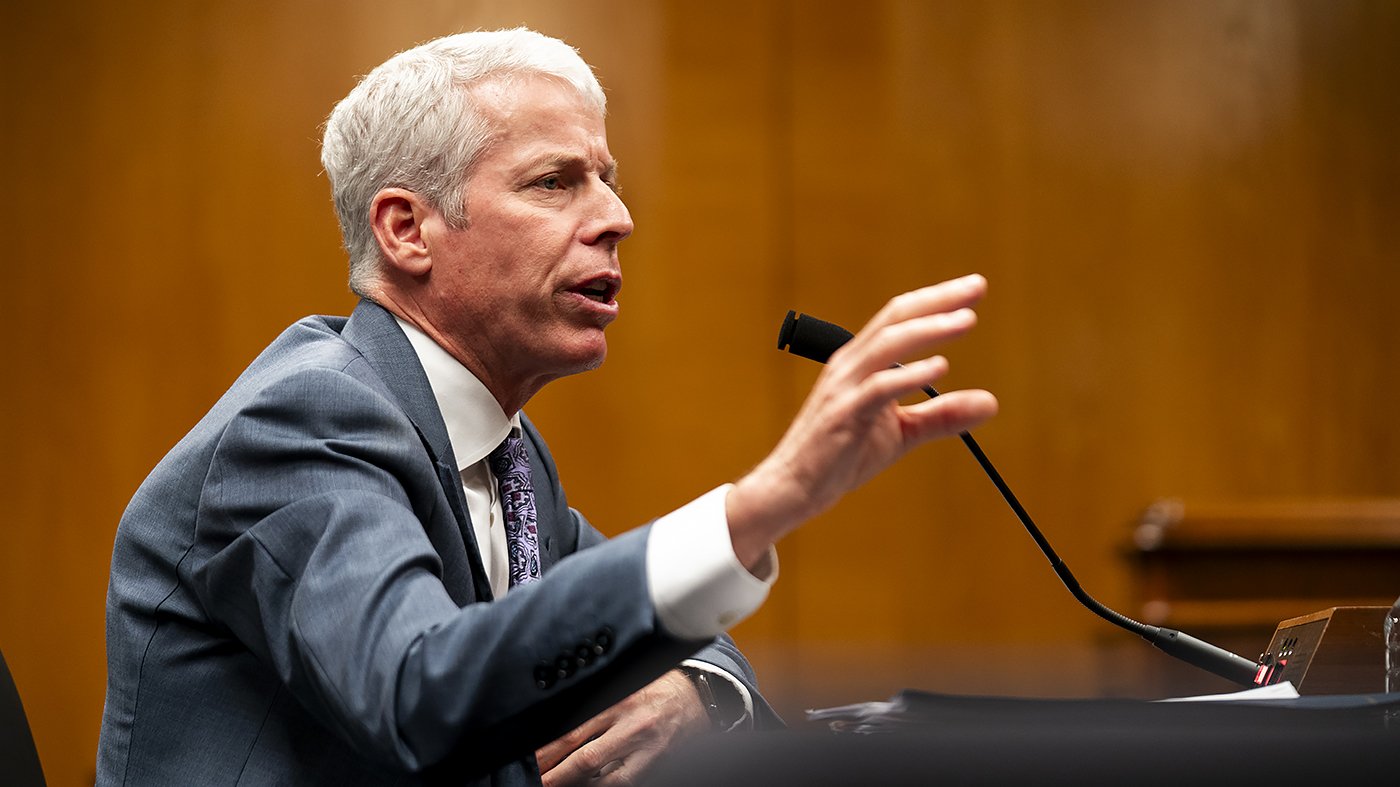
Energy Secretary Chris Wright is set to appear before the House Committee on Science, Space, and Technology on Wednesday morning, where lawmakers will press him on President Trump's fiscal 2027 budget request for the Department of Energy and the administration's priorities amid escalating tensions with Iran.
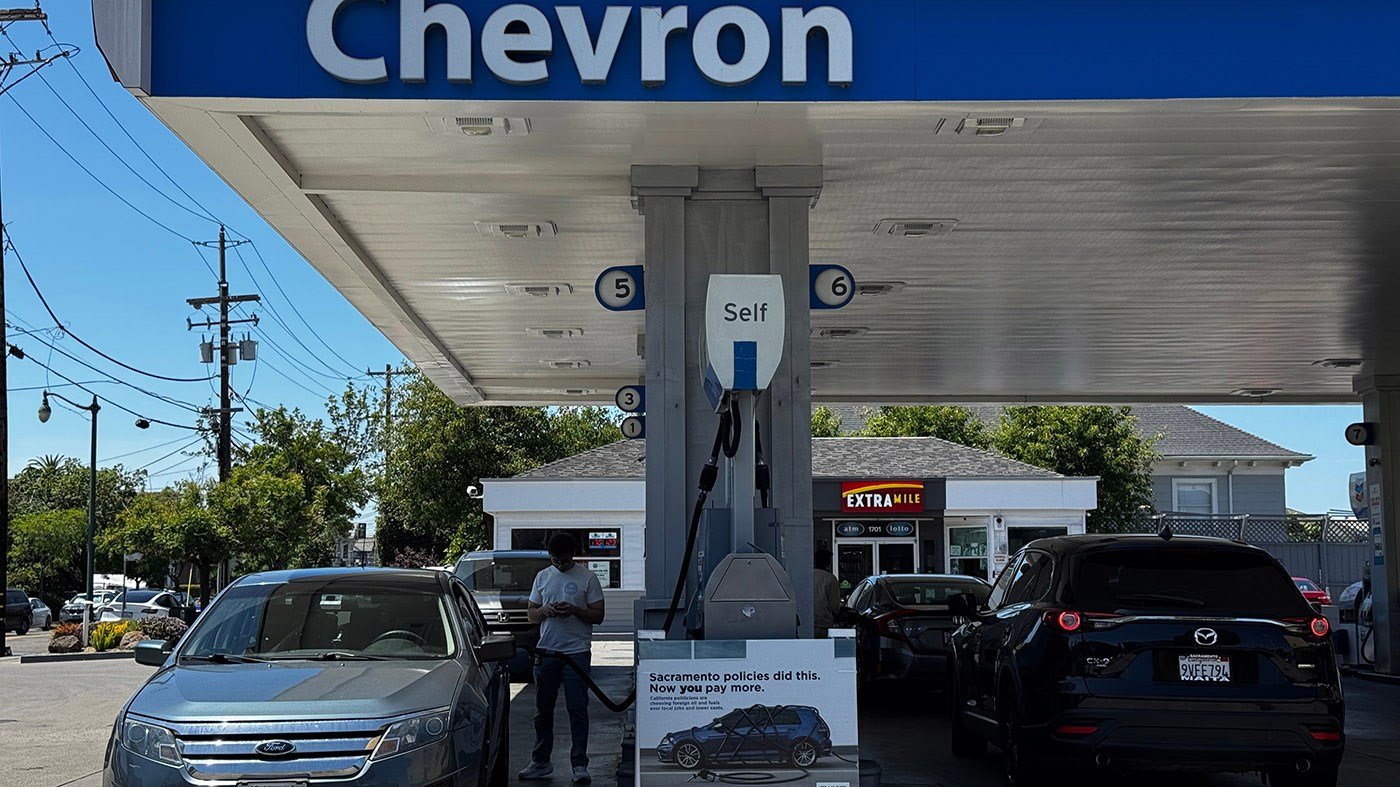
The hearing comes at a moment of heightened global energy instability. The effective closure of the Strait of Hormuz, a critical chokepoint for global oil shipments, has sent gas and energy costs soaring. The crisis has deepened following recent military clashes in the region, raising fears of a broader conflict.
Wright has attempted to reassure the public that prices will not spiral further, but recent polling shows a majority of Americans expect the opposite. The disconnect between official messaging and public sentiment underscores the political stakes for the administration as it seeks to manage both energy policy and national security.
The White House has requested $53.9 billion in discretionary budget authority for the Energy Department, a nearly 10 percent increase over the 2026 level. That proposed hike is likely to draw scrutiny from both parties, with some Republicans questioning the size of the increase and Democrats pressing for more investment in renewable energy and grid resilience.
Lawmakers are expected to question Wright on how the department plans to allocate the additional funds, particularly in light of the ongoing crisis in the Strait of Hormuz. The administration has framed the budget as necessary to bolster domestic energy production and reduce dependence on foreign oil, but critics argue that the Iran conflict undermines those goals.
In a related development, Wright has previously stated that oil traffic through the Strait of Hormuz is set to keep rising, a projection that now appears at odds with the current blockade. The hearing will likely explore whether the department has contingency plans for prolonged disruption.
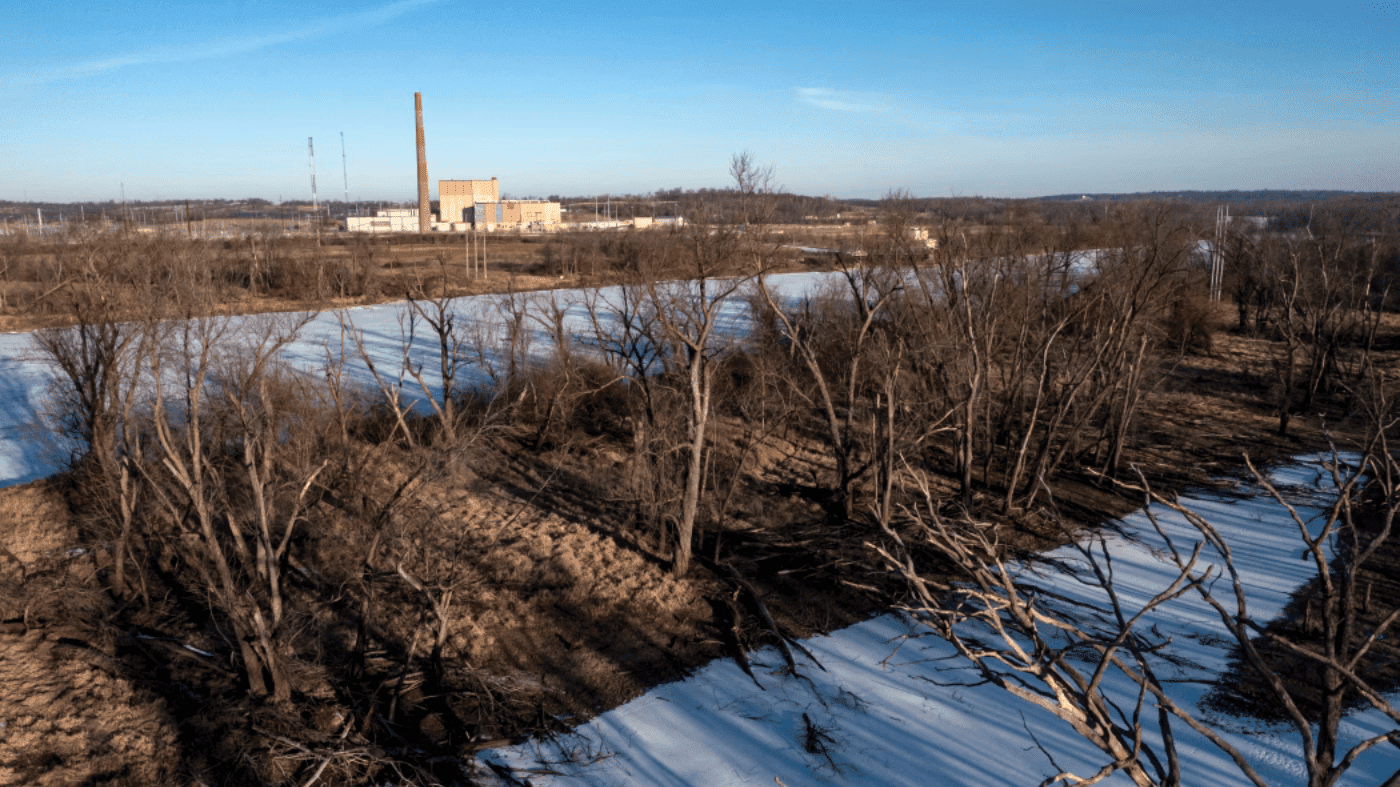
The budget request also includes funding for nuclear security, advanced energy research, and environmental cleanup at former weapons sites. But the immediate focus will be on how the Energy Department is responding to the energy price spike, which has already contributed to broader inflationary pressures. Inflation recently hit 4.2 percent, the highest in three years, driven in large part by rising energy costs linked to the Iran conflict.
Wright's testimony is scheduled to begin at 10 a.m. EDT. The hearing is expected to last several hours, with sharp exchanges likely as both parties seek to score political points ahead of the 2028 election cycle.
The session also comes as the administration faces internal divisions over budget priorities. Several GOP senators have pushed back on Trump's budget proposals, exposing rifts that could complicate passage of the spending plan later this year.