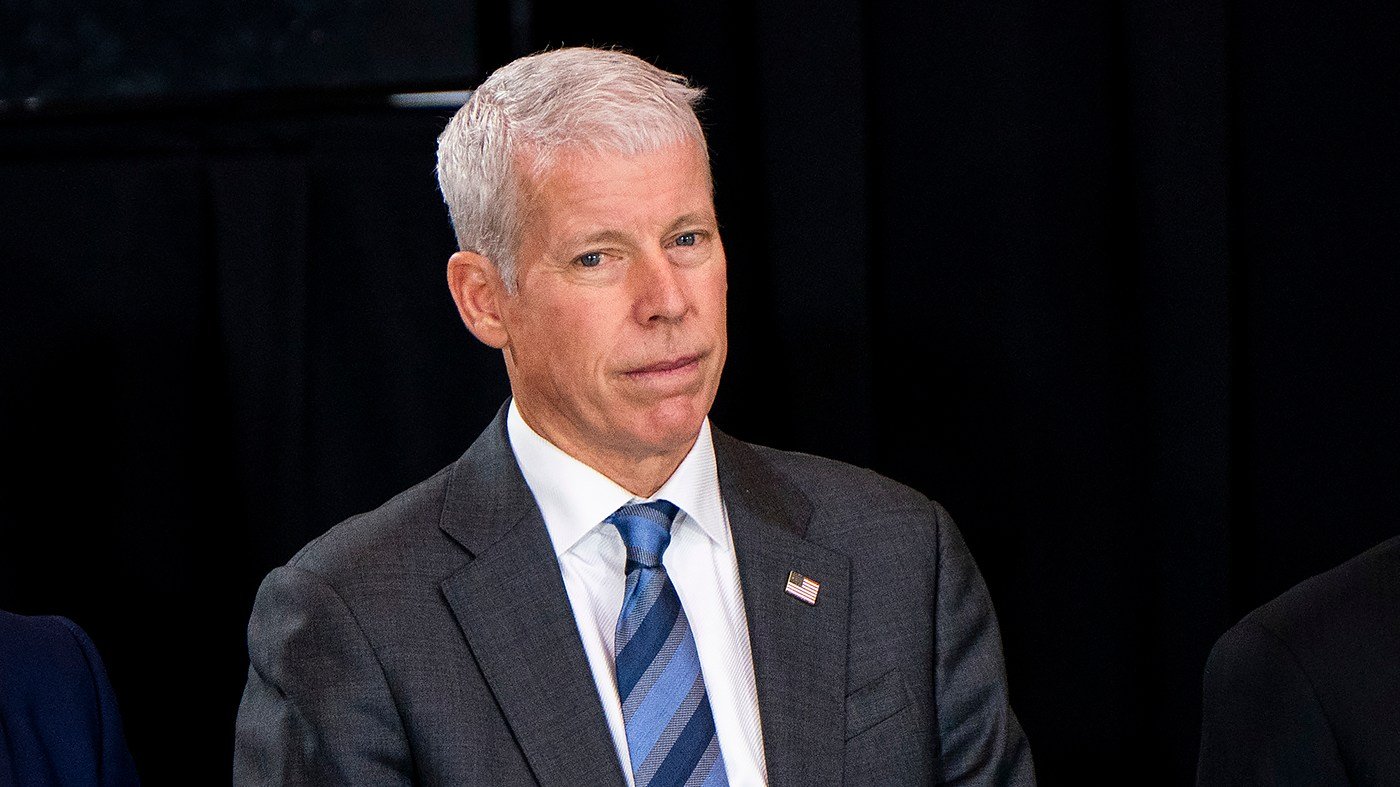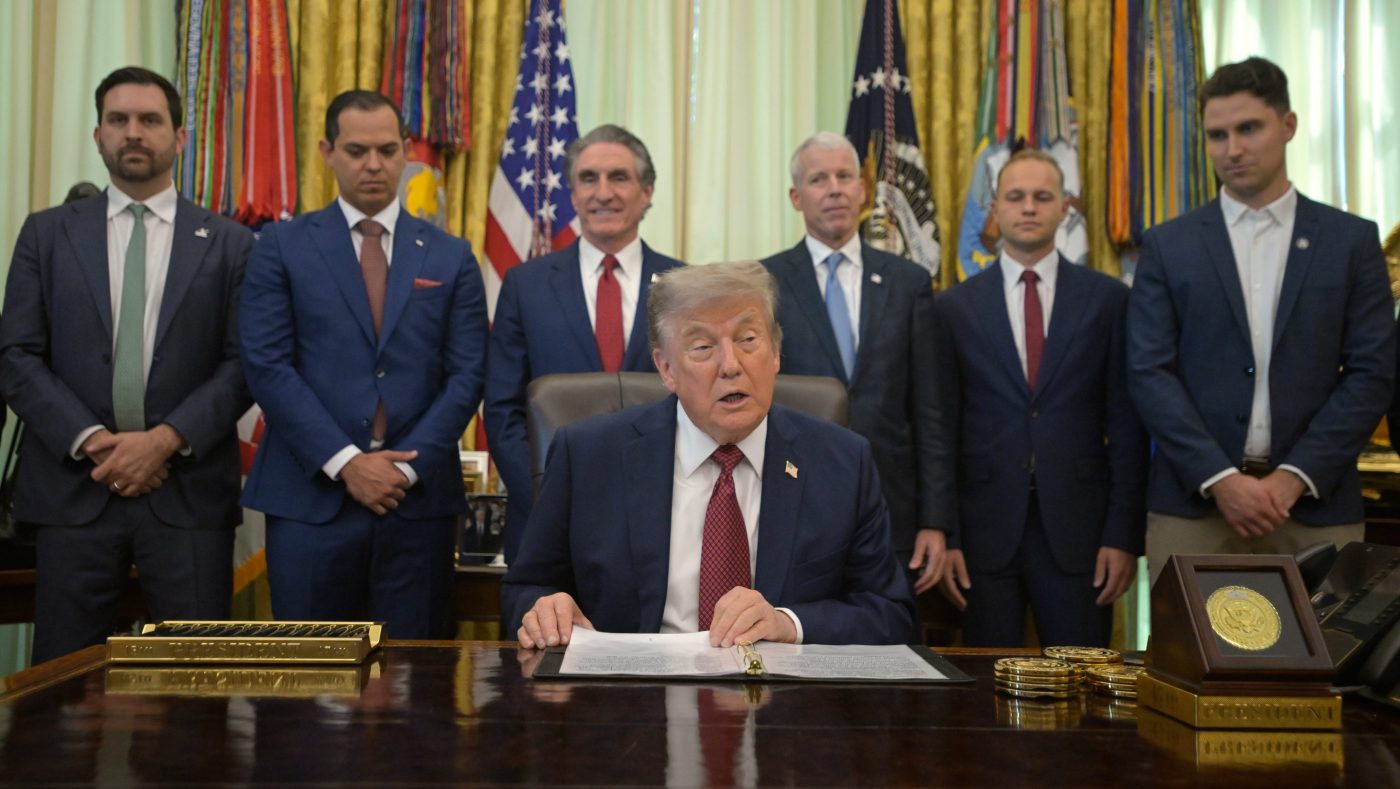
President Trump on Friday flatly rejected claims that his administration had been outmaneuvered in rolling out a nuclear cooperation agreement with Saudi Arabia, despite his own decision to revise the deal's terms the following day. Speaking from the Oval Office at an event focused on nuclear power, with Energy Secretary Chris Wright standing behind him, Trump asserted that “nobody got out ahead” of him on the announcement.
The president’s comments were a direct rebuttal to a CNN report suggesting that Wright had jumped the gun, catching Trump off guard. But the controversy goes deeper: the initial announcement omitted a condition that Trump himself has long insisted upon—that Riyadh first establish diplomatic ties with Israel as part of the Abraham Accords framework.
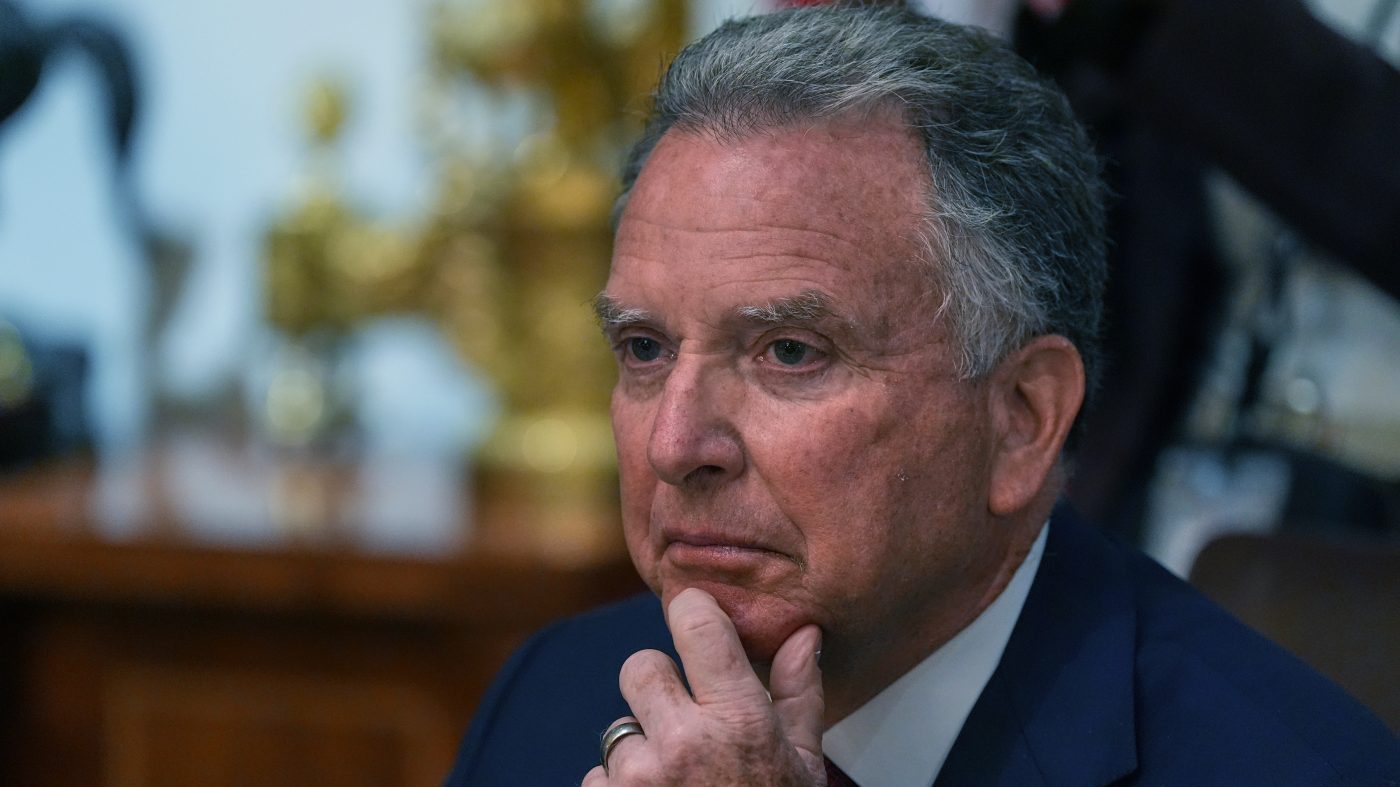
Trump has frequently touted the 2020 Abraham Accords, which normalized relations between Israel and both the United Arab Emirates and Bahrain, as one of his first term’s crowning foreign policy achievements—one he believes should have earned him the Nobel Peace Prize. Yet on Friday, he appeared to soften that stance, saying of Saudi Arabia, “It’s time now that they do it,” referring to joining the accords.
The shift underscores a delicate balancing act. Saudi Crown Prince Mohammed bin Salman has made clear that the kingdom will not normalize ties with Israel until the Jewish state takes concrete steps toward establishing a Palestinian state—a nonstarter for Israeli Prime Minister Benjamin Netanyahu, who faces a tough reelection battle in October and a public largely opposed to such concessions.
Trump offered a new rationale for Saudi Arabia’s delay: fear of Iranian attacks. He argued that the threat from Tehran has now been eliminated, clearing the way for Riyadh to join the accords. “It’s a two-way street, and we think it’s very important for the future of the Middle East,” he said, referencing the nearly five-month-long U.S.-Israel military campaign against Iran that has drawn retaliatory strikes on Saudi soil.
Critics, however, note a significant omission from the deal’s reported terms: the absence of a prohibition on Saudi enrichment of uranium. Trump insisted the agreement covers only “civil nuclear” power and “no enrichment,” but the technology transfer involved could potentially provide Riyadh with the know-how to produce weapons-grade material—a red flag for nonproliferation hawks in Congress.
The deal’s evolution comes as the administration faces mounting scrutiny over its foreign policy coherence. Meanwhile, tensions with Israel persist, and the broader Abraham Accords expansion remains stalled. Trump’s handling of the Saudi file will likely be a key talking point as the 2026 midterm elections approach, with growing war fatigue among the public over the prolonged Iran conflict.
In a separate development, the administration’s use of an obscure 1930 tariff law has redefined the trade conflict with Canada, drawing sharp criticism from allies. And a Jones Act waiver allowing a Chinese military-linked ship to dock in the U.S. has sparked outrage, adding to the list of controversies surrounding Trump’s second-term agenda.
For now, Trump is betting that his personal diplomacy can overcome the hurdles. “They’ll join,” he said of Saudi Arabia. “They’ll join and they’ll do their civil nuclear.” But with the Abraham Accords condition now effectively sidelined, the question remains whether the deal can survive the political crosswinds it was meant to navigate.