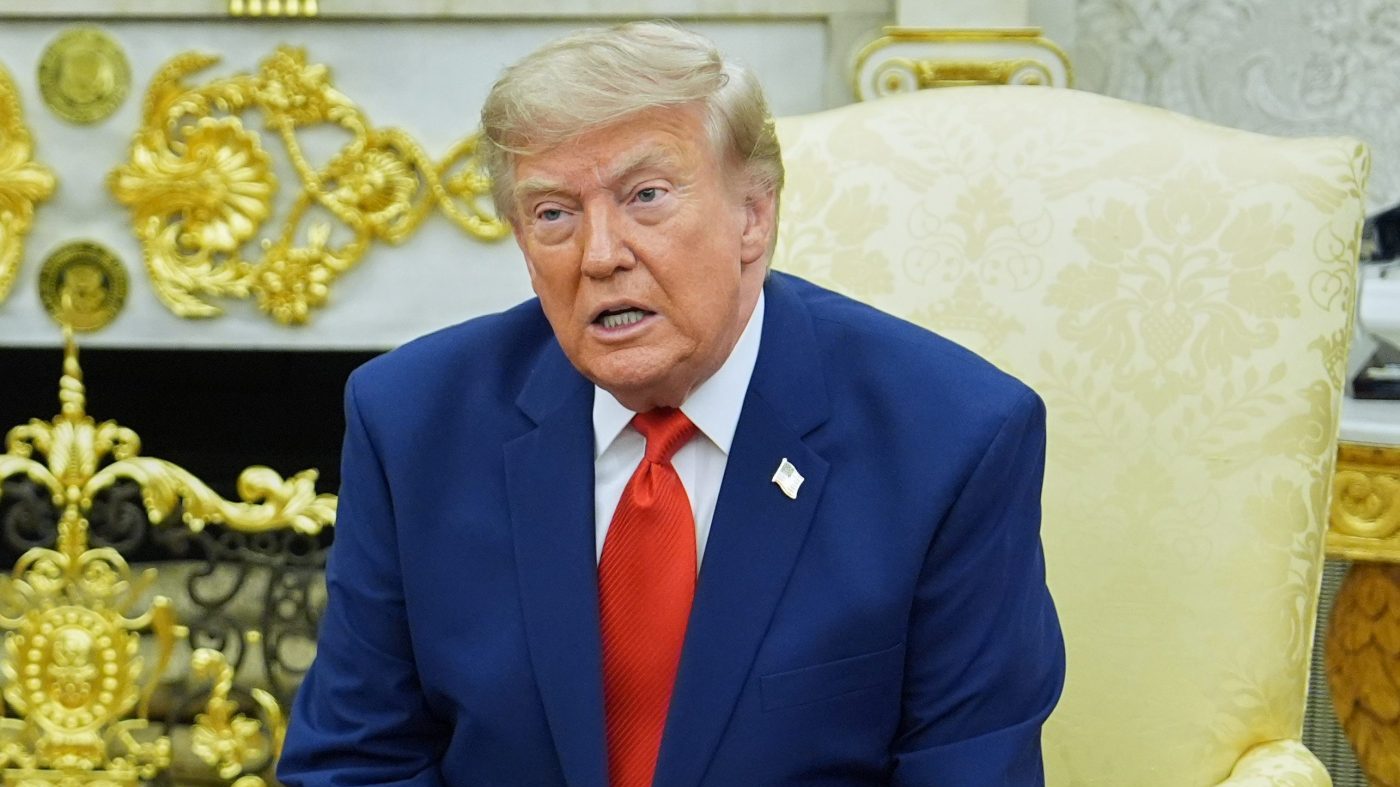
President Trump is set to take the podium at the White House Friday afternoon to announce what the administration is calling a major milestone in its push to expand domestic nuclear energy production. The event, scheduled for 3 p.m. EDT, marks a year since Trump signed a series of executive orders aimed at quadrupling the nation's nuclear power capacity, a move that also rolled back certain health and environmental regulations.
Trump will be joined by Energy Secretary Chris Wright, Interior Secretary Doug Burgum, executives from the nuclear energy sector, and other administration officials. The gathering underscores the White House's focus on reviving an industry that has struggled to compete with cheaper natural gas and renewables.
Domestic Nuclear Push
The executive orders Trump signed last year sought to fast-track approvals for new reactors, streamline licensing, and reduce regulatory hurdles. Critics argued the cuts to health and environmental considerations could increase risks, but the administration has framed the effort as essential to energy independence and grid reliability.
Friday's announcement is expected to highlight progress on four new reactors, a development Trump has previously touted as evidence of a nuclear revival. The White House has not released details on the exact milestone, but administration sources suggest it could involve completed construction phases or new financing commitments.
Saudi Deal Overshadows Event
The event comes just days after the controversial U.S.-Saudi Arabia nuclear deal was announced. The agreement has drawn scrutiny from lawmakers and nonproliferation experts who worry it could enable Saudi enrichment of uranium, potentially sparking a regional arms race. Trump, however, has insisted the terms are conditional on Saudi Arabia normalizing relations with Israel as part of the broader Abraham Accords.
Despite that condition, some analysts question whether the administration has been outmaneuvered. Trump has denied being outmaneuvered on the deal, but the normalization requirement appears to have softened in recent weeks as Saudi leaders have not made concrete moves toward recognizing Israel. The Abraham Accords, brokered during Trump's first term, saw several Arab nations normalize ties with Israel, but Saudi Arabia has remained a holdout.
Political and Policy Implications
The nuclear announcement allows Trump to pivot attention to a domestic policy win amid ongoing controversies, including his recent WHCA dinner speech that drew mixed reactions. For a president who has often prioritized energy dominance, the nuclear push aligns with his broader agenda of reducing reliance on foreign energy and bolstering baseload power.
Environmental groups have criticized the administration's rollback of safety and environmental standards, arguing that the nuclear expansion could come at a cost to public health. Supporters counter that nuclear power is a low-carbon energy source essential for meeting climate goals, even as Trump has downplayed climate change.
The Saudi deal, meanwhile, remains a flashpoint. Critics in Congress have signaled they may seek to block or modify the agreement, citing proliferation risks. The administration has defended the deal as a way to counter Chinese influence in the region and secure U.S. commercial interests.
As Trump takes the stage Friday, the nuclear milestone will likely be framed as a victory for American industry and energy security, but the Saudi controversy ensures the event will be closely watched for any new details or shifts in the administration's stance.