If June felt like an unofficial crackdown on government fraud, that's because the House of Representatives has been on a legislative tear. Over the first, second, and fourth weeks of the month, the House Rules Committee cleared seven major anti-fraud bills for floor debate, while another 15 less contentious measures sailed through under suspension of the rules—a fast-track process that limits debate, bars amendments, and requires a two-thirds majority.
House Rules Chair Virginia Foxx (R-N.C.) didn't mince words. “We have a mandate to root out fraud and disembowel it,” she declared, capturing the aggressive mood on Capitol Hill.
The timing is no accident. With midterm elections looming and control of Congress hanging in the balance, Republicans are doubling down on anti-fraud messaging as a key campaign plank. But this surge isn't purely political theater. It was ignited by a specific spark: a June 8 staff report from the House Oversight and Government Reform Committee titled “The Cost of Doing Nothing.”
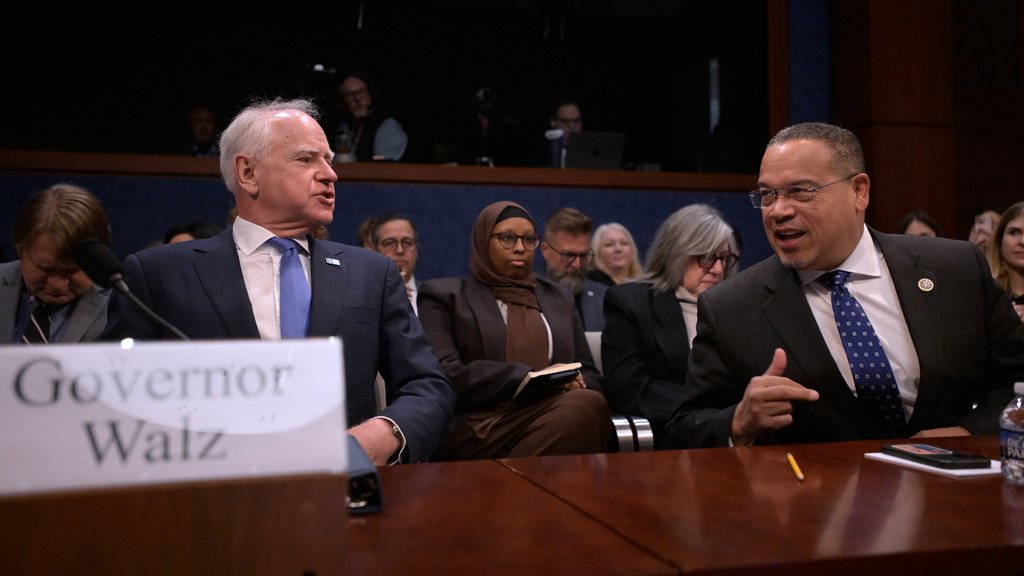
That report accuses Minnesota Governor Tim Walz (D) and state Attorney General Keith Ellison (D) of being aware for years of “widespread taxpayer fraud in federally funded social programs” and failing to act. The allegations have given Republicans a concrete target, fueling the push for new oversight tools.
The legislative package includes measures to tighten verification requirements for welfare recipients, increase penalties for program fraud, and expand data-sharing among federal agencies. Supporters argue these steps are long overdue, especially given record-low public trust in the federal government. Critics, however, warn that the bills could impose burdensome red tape on legitimate beneficiaries and states already stretched thin.
Democrats have pushed back, noting that many of the fraud allegations are based on outdated or incomplete data. But with the GOP framing the issue as a matter of fiscal responsibility, the momentum appears to be on their side. The Senate is now weighing its own overhaul of the federal payment system, as reported in related coverage.
The Walz-Ellison case remains a flashpoint. Both officials have denied the accusations, with Ellison's office calling the report a partisan attack. Whether the controversy will sway voters in November remains to be seen, but for now, the House has made its message clear: fraud-fighting is front and center.