Republicans are betting big on an anti-fraud message as they gear up for the midterm elections, with Vice President Vance headlining rallies in key battlegrounds and Congress advancing a wave of legislation aimed at curbing waste in federal programs. The push, which party operatives describe as a refinement of long-standing GOP themes, is designed to energize the conservative base and draw sharp contrasts with Democrats.
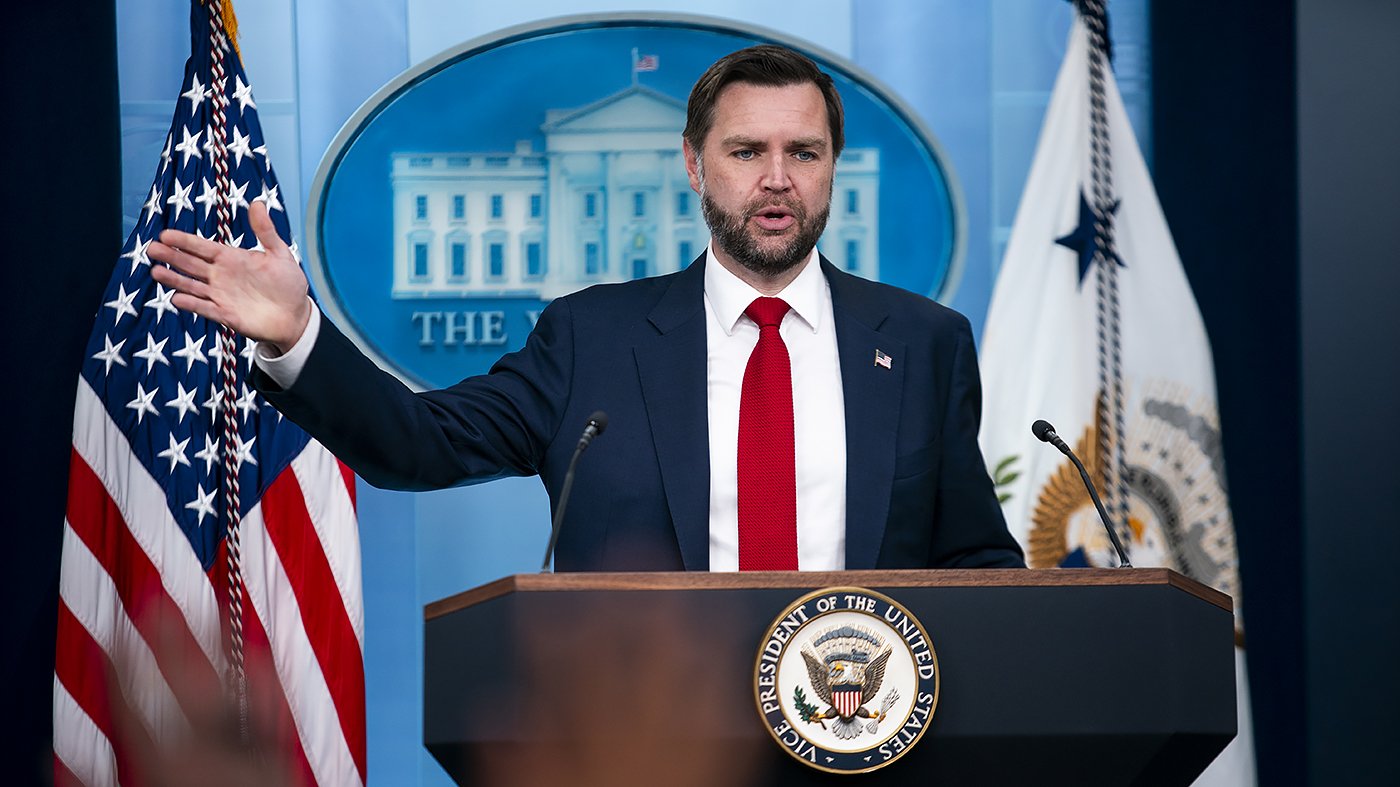
Vance highlighted the issue during recent stops in Nassau County, New York, where Republicans are targeting Democratic Rep. Tom Suozzi, and in Bangor, Maine, where the party is defending Sen. Susan Collins. The vice president's focus underscores the centrality of anti-fraud messaging to the GOP's midterm playbook, according to multiple party strategists.
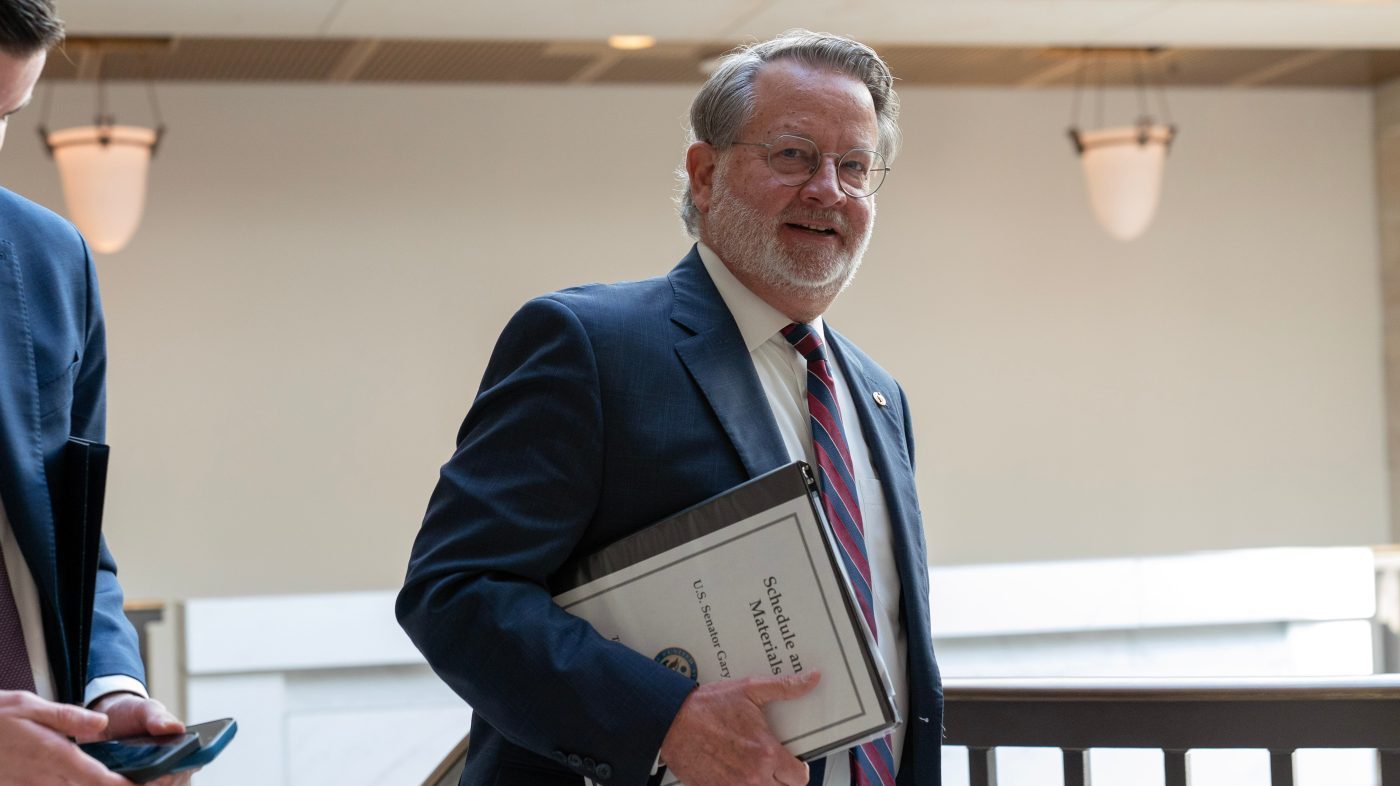
On Capitol Hill, several committees have launched investigations into fraud within federal programs, and House Republicans recently passed a package of anti-fraud bills aimed at strengthening agencies' ability to detect and stop improper payments. Fiscal hawks pushing for another party-line reconciliation bill say it will include provisions to root out fraud, building on the momentum from earlier efforts.
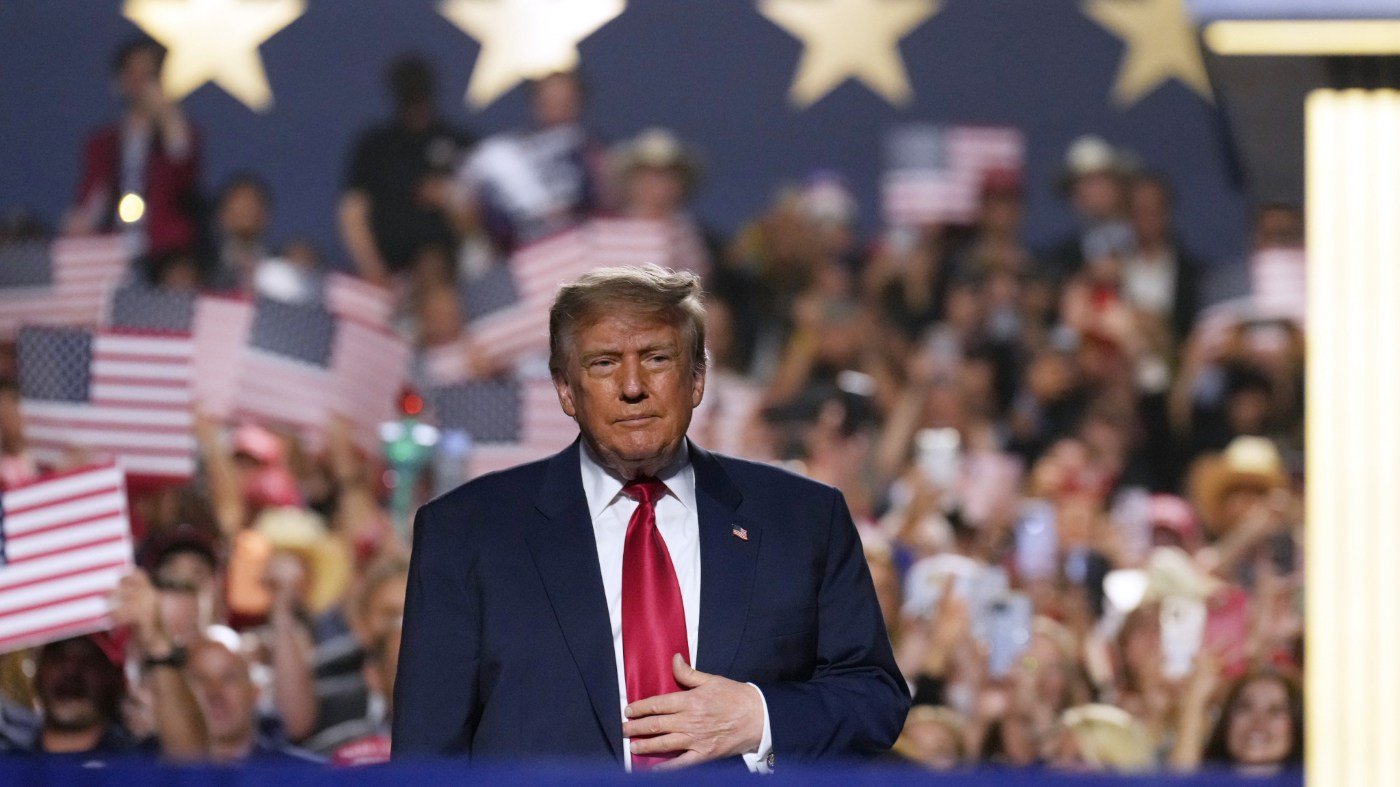
The current campaign, which President Trump dubbed a "war on fraud" in his State of the Union address earlier this year, marks an escalation from past GOP rhetoric around "waste, fraud and abuse." The party's focus on election integrity after 2020 has given the issue renewed urgency, and outside conservative groups say it is resonating with grassroots voters. Daniel West, government relations director at Heritage Action, noted that anti-fraud came up unprompted in discussions about the group's midterm priorities.
Internal polling seen by a former Trump administration official showed that anti-fraud ranked higher than immigration among Republican voters, signaling its potency as a rallying cry. GOP staffers and operatives describe the push as a more disciplined version of earlier efforts, with one quipping that it is like "DOGE 2.0"—a reference to the Elon Musk-led Department of Government Efficiency—but with fewer missteps. However, others involved stress that targeting clear fraud is distinct from the broad cuts and firings that tarnished DOGE's image.
The anti-fraud message gained significant traction after right-wing YouTuber Nick Shirley went viral with videos alleging fraud at Somali-run childcare centers in Minnesota. The footage had a "powder-keg effect," according to West, and prompted then-Attorney General Pam Bondi to highlight federal charges against individuals of Somali descent who allegedly misused $250 million in COVID-19 funds for personal luxuries. Shirley later testified before a House Judiciary Committee hearing, and GOP operatives said high-level conversations followed about making fraud a national issue.
The Vance-led anti-fraud task force, however, had been in the works before Shirley's videos, according to a Trump administration official who insisted the effort was not politically motivated. "This is just something that the president and vice president have really cared about," the official said, adding that this administration is the first to take meaningful action on the issue.
Still, the political implications are clear. As one GOP operative put it, anti-fraud is "central to what we as Republicans have been running on: Cleaning up the mess that Joe Biden Democrats left behind." Vance echoed that sentiment at the Nassau rally, accusing Suozzi of enabling fraud and pointing to a recent DOJ lawsuit against New York's Medicaid director for allegedly facilitating fraud. The White House has touted such actions as part of its broader anti-fraud campaign, which Republicans hope will resonate with voters concerned about government waste.
The party's strategy also includes tying anti-fraud to broader critiques of Democratic governance. As historical midterm patterns suggest a narrow path for the GOP, the anti-fraud message could be a key differentiator. Meanwhile, an independent voters surge to 47% as the midterms approach, making it crucial for Republicans to appeal beyond their base. The party's focus on fraud, combined with other messaging, aims to capitalize on voter frustration with Washington.