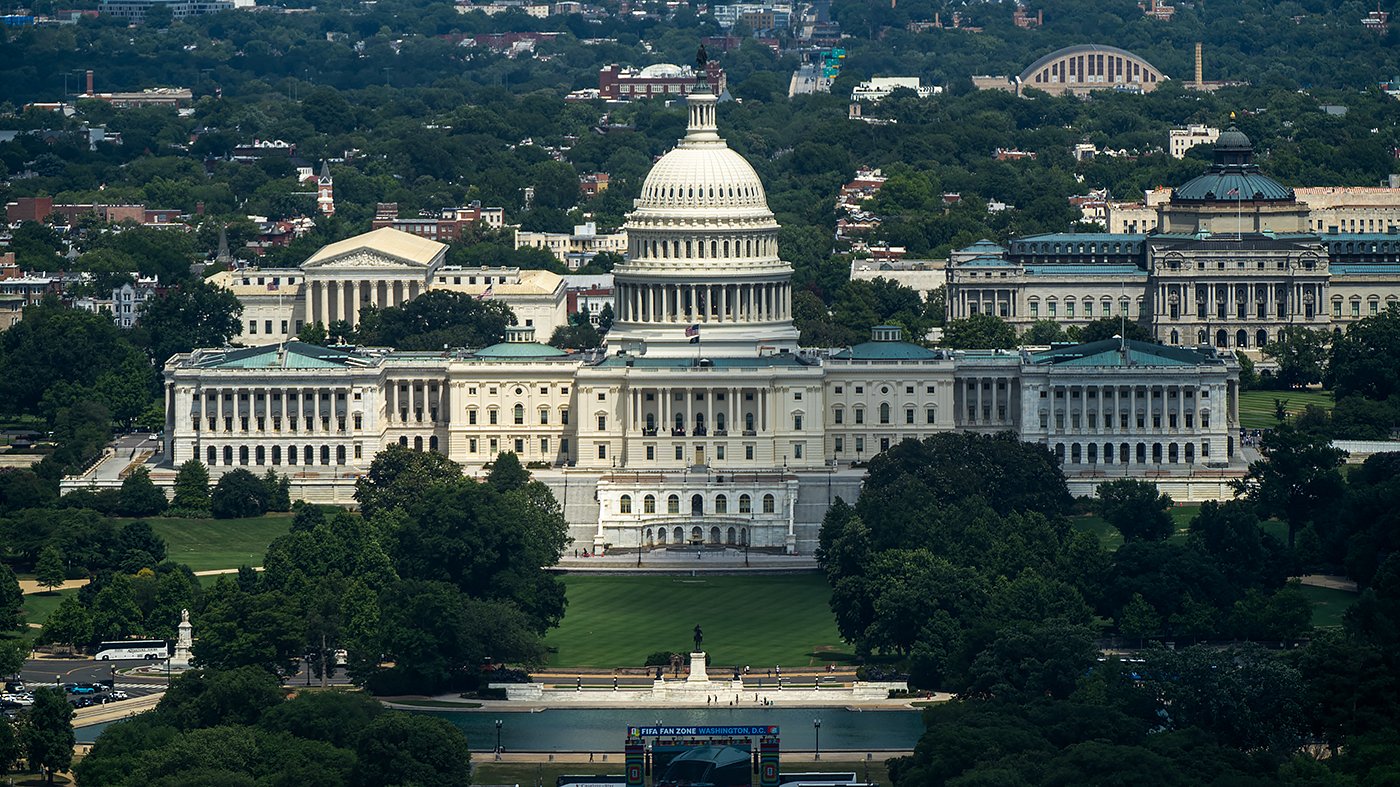
In an unusual display of bipartisan agreement, the House of Representatives has approved 11 bills aimed at cracking down on federal fraud, a problem that federal watchdogs say drains between $233 billion and $521 billion from taxpayers every year. The package, which now sits with the Senate, represents what many see as the most significant opportunity in years to overhaul a broken payment system.
The legislation tightens financial oversight, boosts transparency, and strengthens the government's ability to spot improper payments and fraud before money leaves federal accounts. But the real test lies ahead: whether the Senate will act or let the status quo continue.
At the high end, fraud losses surpass the annual budgets of most federal departments. Yet Washington has long operated on a model that would get a private-sector executive fired: pay first, chase later. Agencies send out benefits, grants, loans, and disaster assistance, then months or years later discover the fraud, launch investigations, and recover only a fraction of what was stolen. The cycle repeats.
“If a Fortune 500 company lost hundreds of billions annually through preventable fraud, shareholders would demand accountability,” wrote Donald Blersch, a former senior national security executive, in a piece for The World Signal. “In Washington, failure has become institutionalized.”
The House deserves credit for recognizing the status quo is indefensible. But passing legislation is only the beginning. The uncomfortable reality is that federal fraud defenses remain largely designed for criminals of the 1990s, while today’s fraudsters use artificial intelligence, synthetic identities, stolen credentials, and automated attack tools that exploit programs at unprecedented speed and scale.
Criminal enterprises have modernized, but Washington has not. Fraudsters increasingly create identities that appear legitimate across multiple databases, leveraging real information and sophisticated automation to bypass verification systems that rely heavily on paperwork and retrospective reviews.
The Senate should pass the House package quickly, but lawmakers must also recognize that oversight, reporting requirements, and new authorities alone will not solve the problem. The government must become far more aggressive in adopting technologies capable of identifying risk before taxpayer dollars leave federal accounts. That means leveraging advanced analytics, AI, behavioral assessment tools, and enhanced identity verification—not after payments are made, but before.
Critics will argue for caution when adopting new technologies. But taxpayers should ask a simple question: How many more hundreds of billions must be stolen before Washington modernizes? Banks don’t tolerate losses on this scale. Insurance companies don’t. Major retailers don’t. Only the federal government seems capable of hemorrhaging hundreds of billions year after year while insisting more studies, reports, and working groups are the answer.
The era of “pay-and-chase” needs to end. The Senate faces a choice: pass these reforms and usher in a prevention-first era of fraud management, or preserve a system that treats massive taxpayer losses as a routine cost of government. At a time of trillion-dollar deficits and mounting national debt, that choice should not be difficult.