The sprawling farm bill, typically focused on agriculture and nutrition policy, has become the latest battleground in Washington's culture wars. Lawmakers recently approved an amendment to the House version of the legislation that critics argue could effectively ban centuries-old dog training methods and lawful canine sporting events. The provision, promoted by animal rights organizations, contains language broad enough to potentially criminalize routine practices used by hunters, trainers, and competitive dog sport enthusiasts.
Vague Language Raises Constitutional Concerns
The amendment's central problem, according to opponents, is its lack of precise statutory definitions. While supporters claim it narrowly targets commercial greyhound racing—an industry that has nearly vanished in the United States—the text could be interpreted far more expansively by regulators and litigants. This ambiguity creates legal uncertainty for numerous activities involving working dogs, from field trials and hunt tests to basic training exercises.
"There's a difference between animal welfare and animal rights," said Rep. Glenn Thompson (R-Pa.), chairman of the House Agriculture Committee, during recent debate. "And the ultimate goal of animal rights is to take all animals out of our lives, whether it's livestock [or] whether it's pets." Thompson's comments highlight the ideological divide driving the controversy, with animal welfare proponents focusing on humane treatment standards while some animal rights groups seek to end all human use of animals.
Threat to Established Training Practices
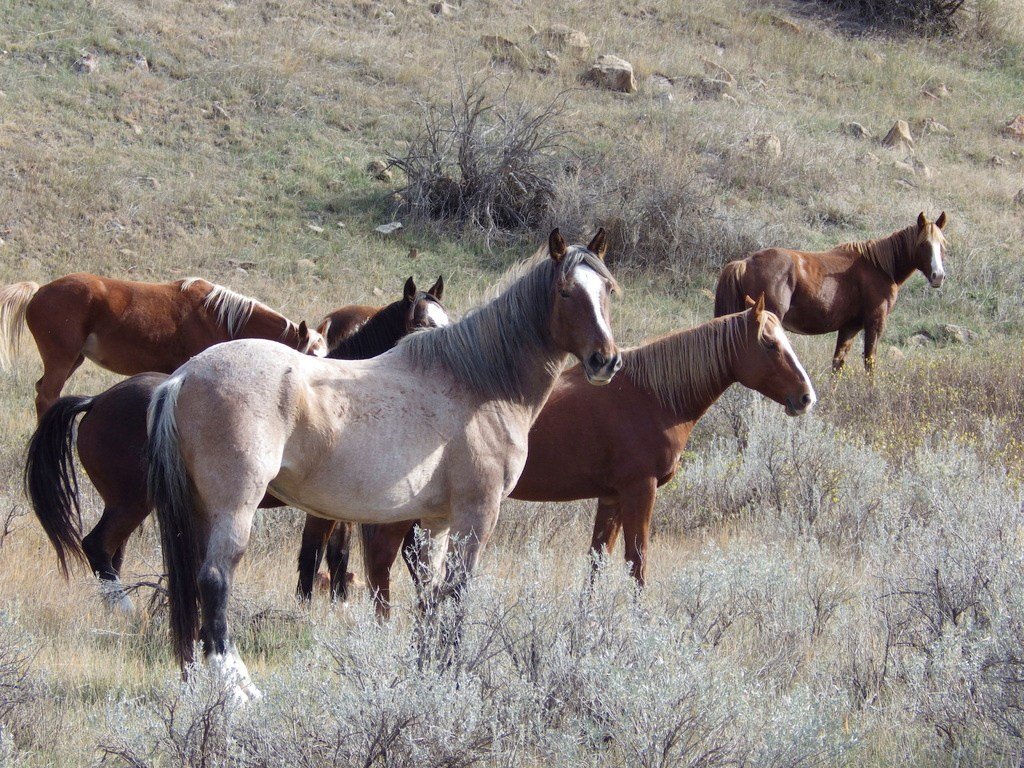
The amendment specifically addresses so-called live lure training, but its definitions could encompass far more. In reality, most canine sporting events use synthetic, mechanized lures—often plastic bags or similar devices—to test agility and speed without involving live animals. However, the provision's vague terminology could be interpreted to prohibit controlled exposure to live birds or game animals, a fundamental component of training bird dogs, retrievers, and hounds.
Trainers commonly use farm-raised pigeons, ducks, or pheasants in regulated settings to teach essential skills like scent work, steadiness, and retrieval. These methods are widely accepted as necessary for preserving unique breed characteristics and ensuring dogs perform effectively and safely in the field. The amendment's potential to eliminate these practices has alarmed hunting communities and dog sport organizations nationwide, who view it as government overreach into longstanding traditions.
The debate occurs against a backdrop of increasing legal challenges to traditional practices. Similar to how a recent First Amendment case threatens protest organization, this amendment could create new legal liabilities for ordinary citizens engaged in lawful activities. The legislative approach mirrors concerns raised about state laws that criminalize routine journalism, where broadly written statutes enable expansive enforcement against established practices.
Existing Animal Welfare Framework
Opponents of the amendment point to the robust existing regulatory framework governing animal care. The Animal Welfare Act, enforced by the U.S. Department of Agriculture's Animal and Plant Health Inspection Service, mandates extensive requirements for dog breeders and handlers. Recent data shows this system works effectively—in 2025, the agency conducted 5,255 unannounced inspections and found 97% of licensees in substantial compliance with humane care standards.
These regulations ensure proper veterinary care, appropriate diet, clean housing, and protection from extreme conditions. The amendment's supporters have not demonstrated how current laws fail to protect animals during training or sporting events, leading critics to argue the provision represents ideological activism rather than practical policy improvement. The controversy reflects broader tensions in American politics, where cultural issues increasingly dominate legislative agendas that were once more narrowly focused.
The farm bill debate unfolds as other significant policy discussions capture Washington's attention, including speculation about potential Supreme Court vacancies and the early shaping of the 2028 presidential field. Like these developing stories, the dog training amendment represents how seemingly niche issues can become flashpoints in larger ideological conflicts.
As the farm bill moves through the legislative process, stakeholders on both sides are preparing for intense negotiations. The outcome will signal whether Congress can maintain its traditional focus on agricultural and nutritional policy or whether the legislation will become what critics call a "vehicle for an outlandish agenda" that disrupts lawful traditions nationwide. The amendment's fate may also indicate how other cultural issues will be handled in must-pass legislation during an election year marked by deep political divisions.