In a decision with profound implications for press freedom, the U.S. Supreme Court has declined to review a case challenging a Texas statute that criminalizes journalists for obtaining information from government sources. The court's inaction leaves in place a state law that was used to arrest citizen journalist Priscilla Villarreal after she confirmed details for news stories through routine contact with a Laredo police officer in 2017.
A Routine Inquiry Becomes a Criminal Case
Villarreal was working on reports about a border agent's suicide and a serious traffic accident when she texted a Laredo Police Department contact to verify the names of individuals involved. The officer provided the confirmation, a standard journalistic practice. However, authorities later charged Villarreal under Texas's Misuse of Official Information Act, a 1993 law originally designed to prevent corrupt officials from trading confidential data for money.
The statute makes it a crime to "solicit or receive from a public servant information that the public servant has access to by means of his office or employment and has not been made public," provided the recipient intends to obtain a benefit or harm another. Prosecutors argued Villarreal's substantial Facebook following—approximately 100,000 people—constituted the "benefit" referenced in the law. Legal analysts, including Balls and Strike editor-in-chief Jay Willis, note the law was never intended to target journalists performing basic newsgathering functions.
Legal Odyssey Sidetracks Core First Amendment Question
Villarreal's case took a convoluted path through the courts. A trial judge initially dismissed the charges, finding the law unconstitutionally vague. Villarreal then sued the Laredo officials involved in her arrest, alleging First Amendment violations and retaliatory prosecution for her reporting on local government misconduct. This shifted the legal focus from the constitutionality of the Texas statute to whether the officers could be sued under the doctrine of qualified immunity.
The Fifth Circuit Court of Appeals ruled the officials had qualified immunity because no "clearly established law" prohibited Villarreal's arrest at the time. The Supreme Court's refusal to grant certiorari effectively blocks a definitive ruling on whether the Texas law violates the First Amendment, while implicitly endorsing the Fifth Circuit's finding that constitutional protections for this reporting were not "clearly" established.
A Blistering Dissent and a Chilling Precedent
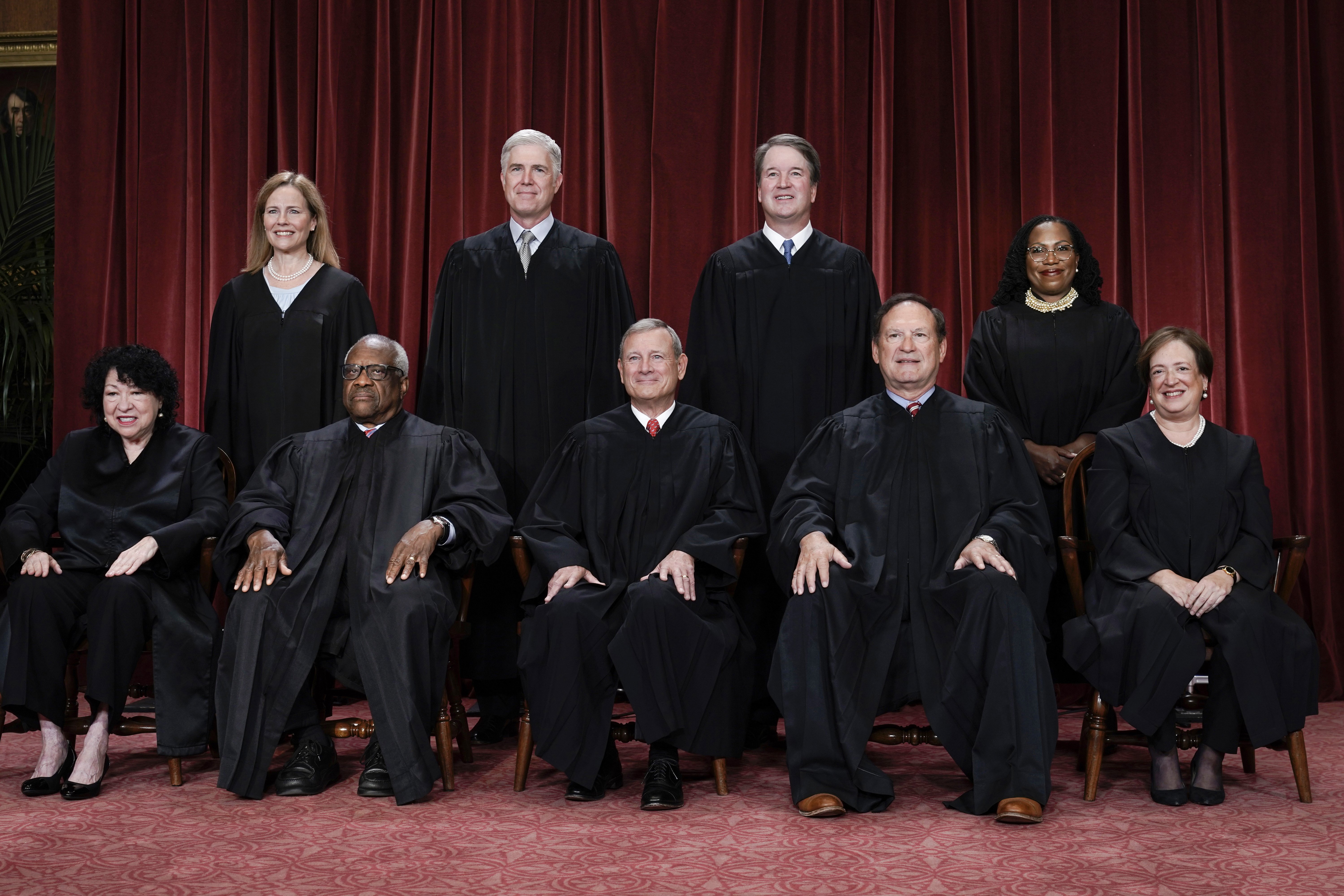
Justice Sonia Sotomayor issued a forceful dissent from the court's denial of review. "It should be obvious that this arrest violated the First Amendment," Sotomayor wrote, arguing Laredo law enforcement had "fair warning" their actions were unconstitutional. She stated the violation was "beyond debate" and warned that "tolerating retaliation against journalists, or efforts to criminalize routine reporting practices, threatens to silence one of the very agencies the framers of our constitution thoughtfully and deliberately selected to improve our society and keep it free."
Sotomayor's dissent echoes her broader concerns about the judicial system's handling of press freedoms, similar to her recent criticism of the unprecedented volume of emergency appeals reaching the court. Her warning arrives amid a climate where some government officials, from local jurisdictions to Washington, increasingly frame the press as an adversary.
The Practical Impact on Journalism
The Supreme Court's decision establishes a dangerous precedent that reporters can be prosecuted for receiving information from government sources—a cornerstone of investigative journalism. If this becomes normalized, the news media could be reduced to merely repackaging official press releases, fundamentally altering the press's role as a government watchdog. This development aligns with broader trends where journalistic practices face increasing legal and operational risks that compromise sources.
Justice Hugo Black articulated the foundational principle over fifty years ago: "The press was to serve the governed, not the governors... The government's power to censor the press was abolished so that the press would remain forever free to censure the government." The Texas law, and the Supreme Court's passive endorsement of its application against a journalist, inverts this constitutional mandate.
The case also highlights how legal doctrines like qualified immunity can shield officials from accountability even when fundamental rights are at stake, a pattern seen in other contexts such as the ongoing struggle against systemic bias within judicial processes. For now, the threat of criminal prosecution hangs over Texas journalists performing basic newsgathering, with potential for similar laws to emerge elsewhere unless legislative or future judicial action intervenes.