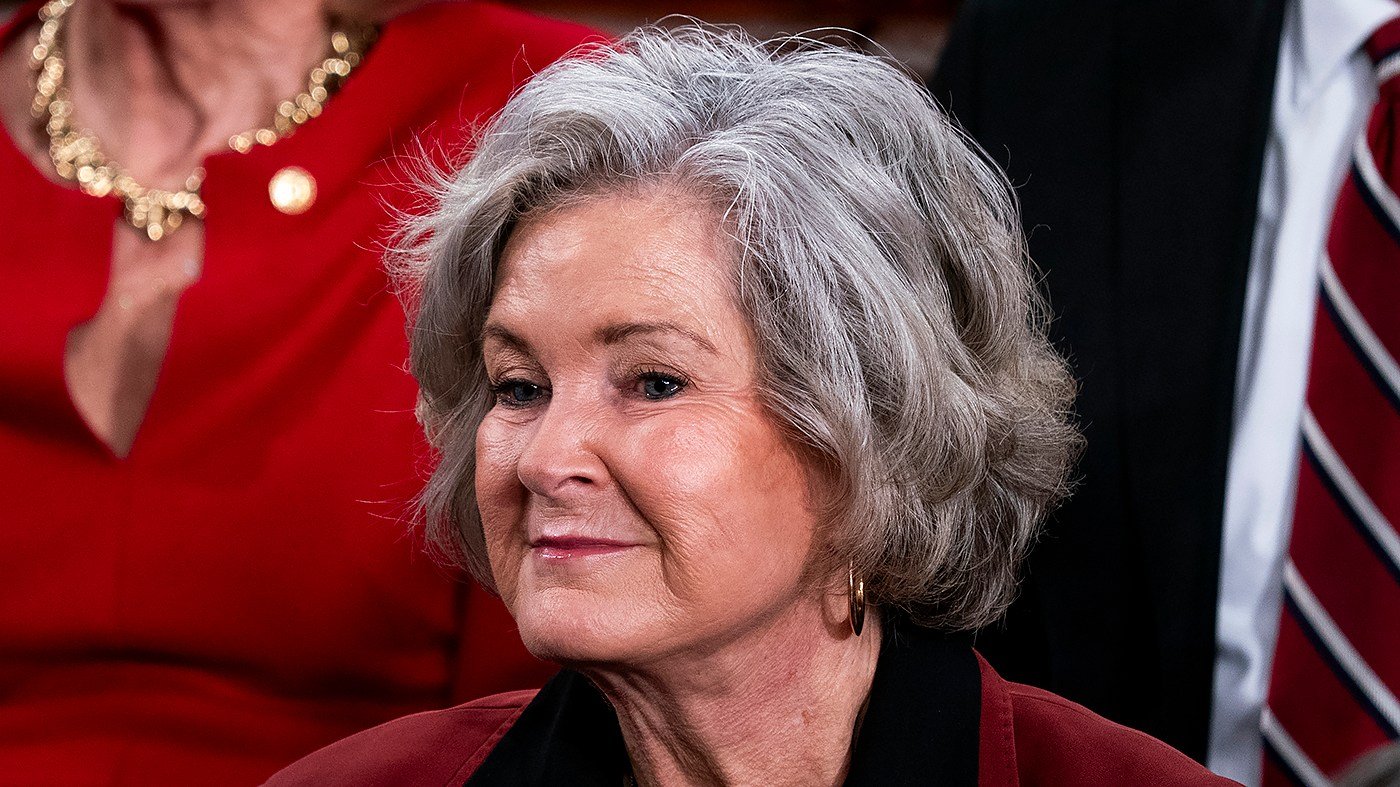
The arrest of U.S. Army veteran Courtney Williams this week highlights a troubling pattern in national security journalism: reporters are increasingly providing federal investigators with direct pathways to their confidential sources. Williams faces charges for allegedly transmitting classified information to Rolling Stone contributing editor Seth Harp, but what makes the case particularly notable is how easily investigators connected the dots.
Harp had previously named Williams in his reporting, quoted her extensively, and even used her likeness in published work. This left investigators with little detective work to do—they simply needed to review Harp's own articles to identify the suspected source. Harp maintains his source "has committed no crime," despite Williams reportedly expressing concern about "the amount of classified information being disclosed."
A Recurring Problem
This incident is far from isolated. In 2018, former FBI special agent Terry Albury was arrested for passing classified intelligence to The Intercept. Investigators traced the leak with relative ease because the news organization had filed unusually specific Freedom of Information Act requests that matched documents Albury had accessed. The bureau discovered Albury was the only agent who had accessed more than two-thirds of the documents highlighted in The Intercept's reporting while copying and pasting portions of the digital intelligence.
Albury pleaded guilty to Espionage Act violations and served over two years in federal prison. His case followed another Intercept source compromise involving Reality Winner, an NSA contractor who mailed classified intelligence about Russian election interference to the publication in 2017.
Forensic Clues and Careless Practices
To verify Winner's materials, Intercept editors sent copies to the NSA for authentication. Unfortunately for Winner, those copies contained printer tracking dots and telltale creases that revealed the documents had been printed, folded, and removed from a secure facility. Investigators needed only days to connect the evidence to Winner, who confessed, was charged under the Espionage Act, and received a sentence exceeding five years.
Other examples abound. James Wolfe, former director of security for the Senate Select Committee on Intelligence, received a two-month prison sentence for lying to FBI agents during an investigation into whether he leaked classified information to a reporter with whom he was having an affair. Similarly, former Defense Intelligence Agency analyst Henry Frese was easily identified as the source for his live-in girlfriend's reporting on classified matters.
Looking further back, the 2012 David Petraeus scandal revealed how personal relationships can expose classified information. The former CIA director shared intelligence with his biographer and mistress, Paula Broadwell, whose subsequent threatening emails triggered an FBI investigation that uncovered the security breaches. This pattern of exposure raises serious questions about journalistic tradecraft and source protection.
Broader Implications for Press Freedom
These cases occur against a backdrop of increasing tension between the press and government institutions. Recent developments, including the Pentagon's closure of press workspaces following a court decision on media policy, highlight the fragile state of government-press relations. Meanwhile, Voice of America journalists have sued the administration over alleged censorship and propaganda mandates, illustrating ongoing conflicts over information control.
While whistleblowers who believe "something gravely wrong is being done in secret" should continue coming forward, journalists must recognize that law enforcement and counterintelligence officials are not incompetent. Basic investigative work can easily connect published information to specific sources, especially when reporters fail to adequately protect their contacts' identities.
Journalism schools should emphasize that source protection requires more than good intentions—it demands rigorous tradecraft. When journalists repeatedly make it easy for investigators to identify sources, potential whistleblowers may reconsider not whether to speak, but to whom they should speak. This chilling effect could deprive the public of crucial information about government activities conducted behind closed doors.