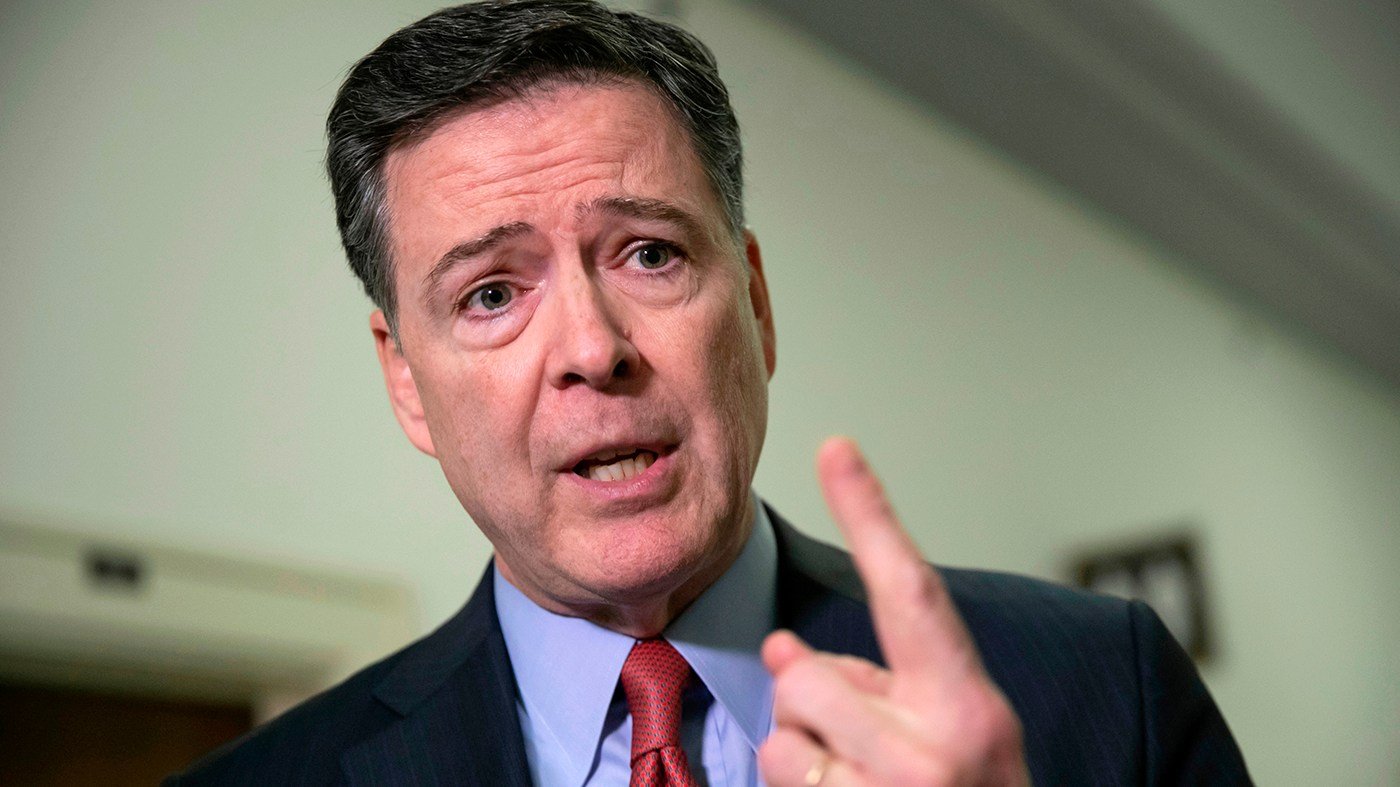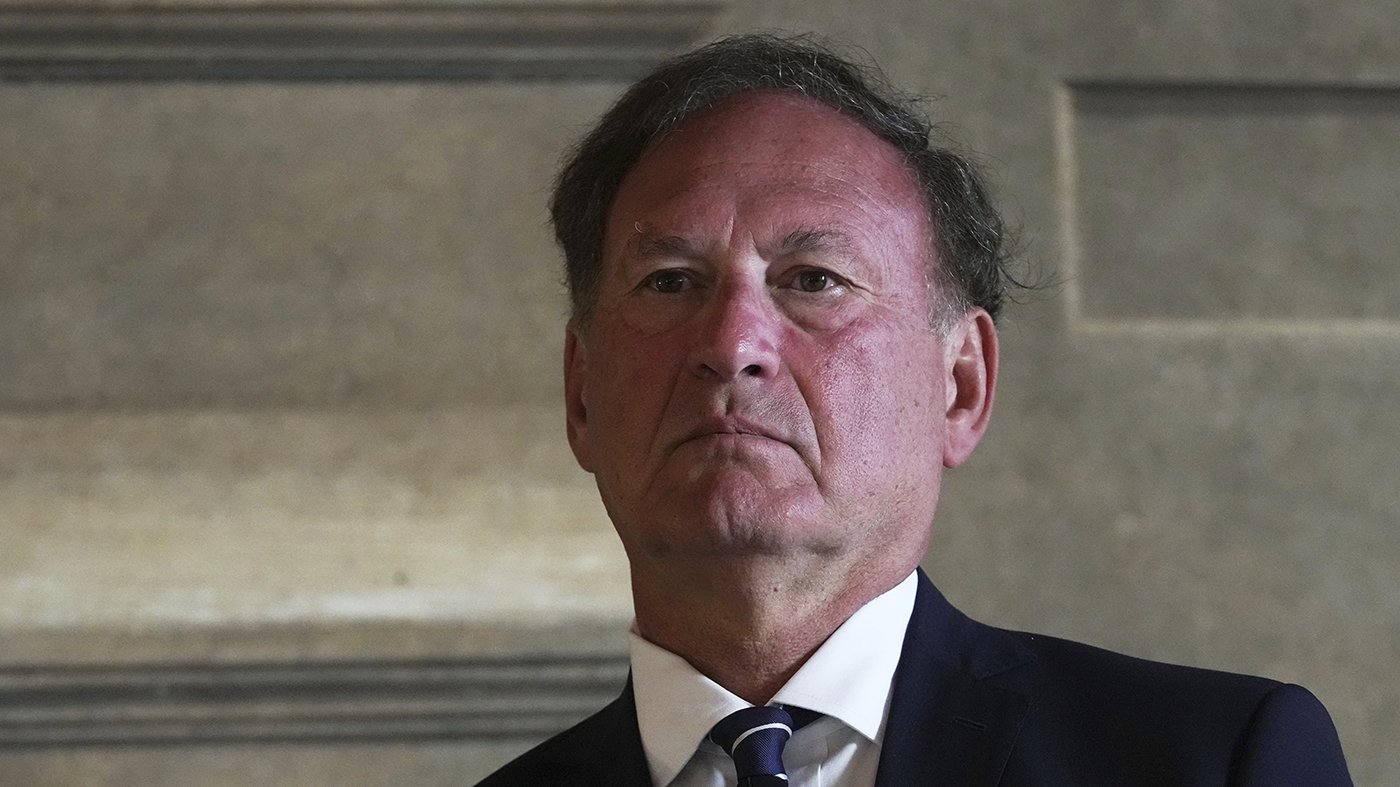
Former President Donald Trump has declared his readiness to nominate new justices to the Supreme Court should any of the bench's older members retire, directly addressing speculation surrounding conservative stalwarts Samuel Alito and Clarence Thomas.
In an interview with Fox Business, Trump confirmed he maintains a list of potential nominees and is prepared to act on multiple vacancies. "It could be two, could be three, could be one. I don't know—I'm prepared to do it," he stated, though he acknowledged uncertainty about whether an opening would materialize before year's end.
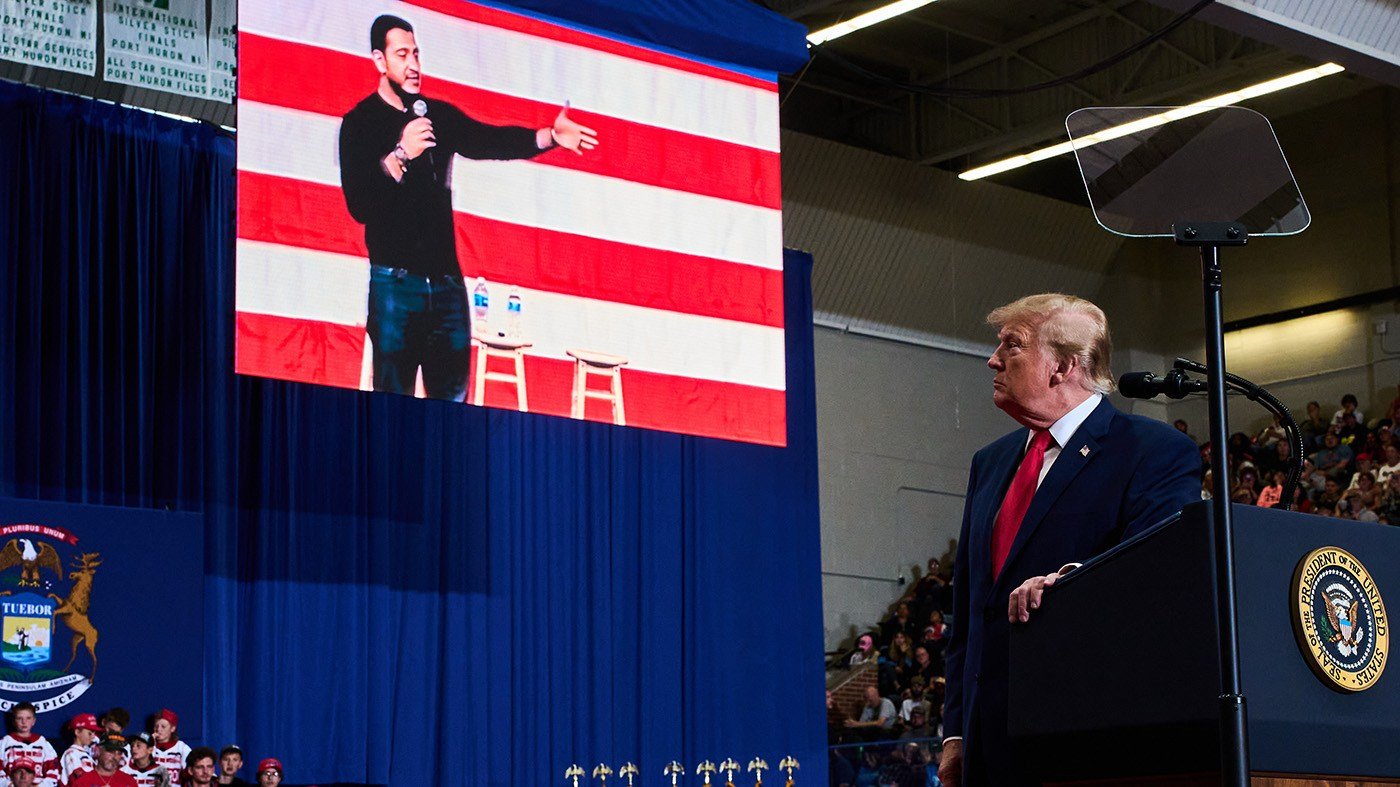
Focus on Conservative Justices
Trump specifically praised Justice Samuel Alito, who was hospitalized earlier this year, calling him "one of the great justices of all time" and "an unbelievable justice and a brilliant justice." While no justice has indicated plans to step down from their lifetime appointment, the advanced age of several members has fueled Washington speculation. Justice Clarence Thomas, 77, represents another potential retirement, though discussion has centered more on Alito.
The former president pointed to the late Justice Ruth Bader Ginsburg as a cautionary example of a justice who held her seat despite age and health concerns. "She decided that she was going to live forever, and about two minutes after the election, she went out and I got to appoint somebody," Trump remarked, referencing how Ginsburg's death in 2020 allowed him to appoint Justice Amy Coney Barrett, cementing the Court's conservative majority.
Political Timing and Strategy
Trump's comments underscore the high-stakes political calculations surrounding Supreme Court vacancies. He suggested justices should consider retiring strategically to ensure their ideological successors. "So, you know, you make the case that at a certain time you give it up… so that your ideology, your policies, your everything, would be of the kind that we like," he explained.
Senate Republicans would face pressure to confirm any nominee quickly, particularly with control of the chamber hanging in the balance of upcoming elections. Senate Majority Leader John Thune recently indicated the GOP would be prepared to move on a confirmation if a vacancy emerged before the midterms, a scenario the administration would view as ideal for securing a conservative appointment.
Among potential nominees Trump has reportedly considered is Senator Ted Cruz of Texas, though the former president did not specify names from his current list. The prospect of additional appointments comes as Trump allies like Stephen Miller continue urging challenges to existing Court precedents on issues including immigration, highlighting the ongoing battle over the judiciary's direction.
Trump's focus on judicial appointments intersects with his broader political maneuvers, including efforts to consolidate power within the GOP congressional ranks. Meanwhile, his administration's policy legacy faces scrutiny in other arenas, with agricultural debt reaching record levels amid economic pressures on rural communities.
The Supreme Court remains a central pillar of Trump's political legacy, with his three previous appointments—Justices Gorsuch, Kavanaugh, and Barrett—transforming the Court's ideological balance. His latest statements signal that further shaping the judiciary remains a top priority should he return to power, with potential retirements offering a critical opportunity to extend conservative influence for decades.