President Trump's second-term economic agenda has delivered severe consequences for American agriculture, with farm sector debt projected to reach a historic $600 billion this year. This financial crisis stems from a combination of restrictive trade policies, rising operational costs, and aid programs that largely bypassed the small farmers they were designed to help.
The Rural Vote and Broken Promises
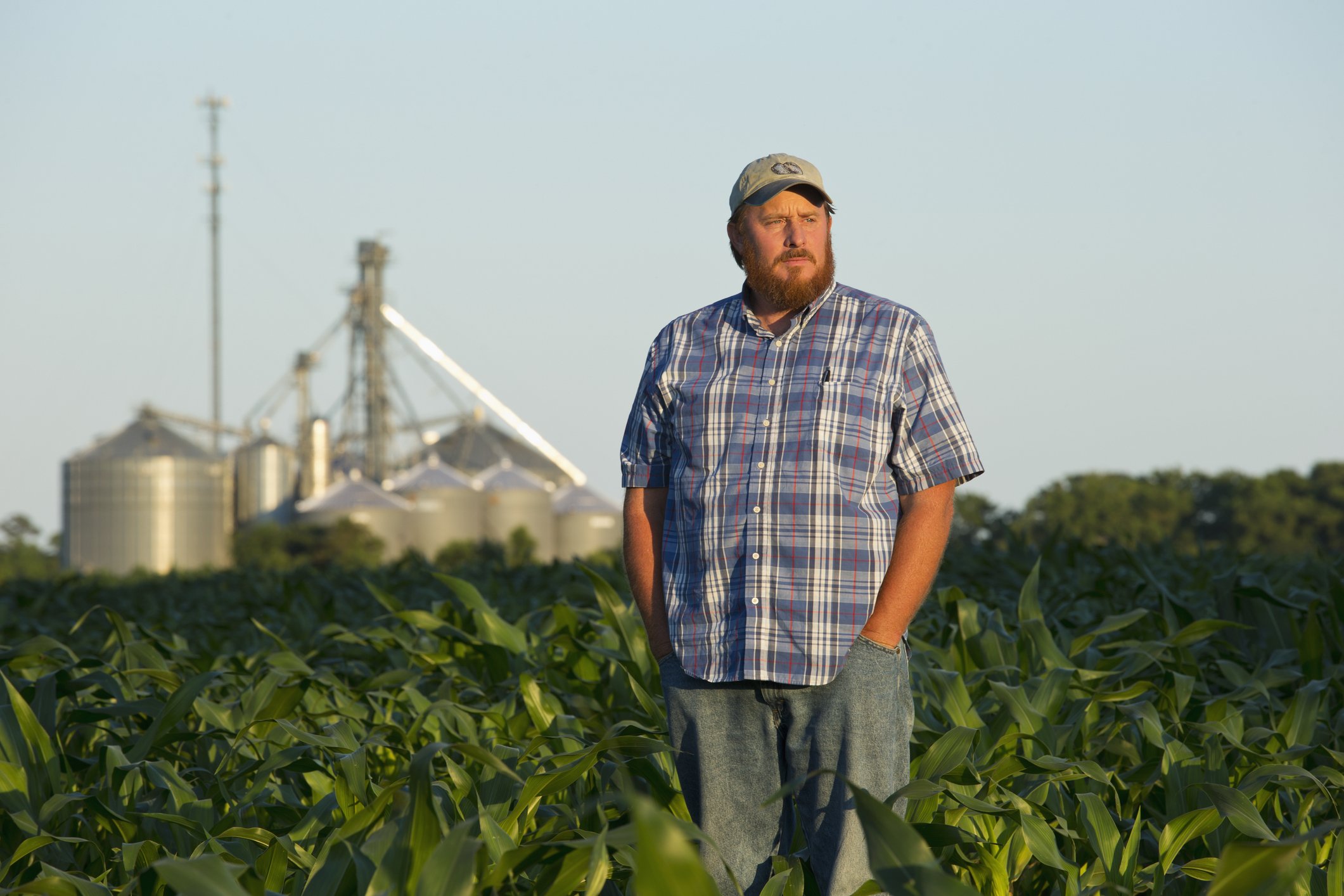
Trump secured 62 percent of the rural vote in 2024, improving on his 2020 performance with pledges to direct federal support to struggling family farms. However, that support has failed to materialize for most operators. The administration's much-publicized $12 billion farmer relief package, intended to offset losses from tariff wars, disproportionately benefited large agribusiness firms and major campaign donors. Data shows more than half of the aid went to industrial operations, while small farmers received average payments under $5,000.

Meanwhile, the White House's proposed 2027 budget would cut the Agriculture Department's funding by 19 percent, eliminating the $1.2 billion Food for Peace program and reducing support for rural business development and agricultural marketing services. This comes as the suicide rate in farming communities has climbed to 3.5 times the national average, reflecting the intense financial and psychological pressure facing rural America.
Trade Wars and Soaring Costs
The economic pain originates largely from Trump's trade policies. Tariffs on agricultural exports decimated key markets, with Chinese imports of American soybeans dropping nearly 80 percent. The American Soybean Association took the unusual step of publicly criticizing the administration for misleading farmers about future Chinese purchases.
At the same time, farmers face dramatically rising input costs. Tariffs on steel, rubber, and replacement parts have made equipment maintenance prohibitively expensive, with some imported parts becoming unavailable. The average price of a new tractor has jumped from roughly $190,000 in 2019 to about $330,000 today. Fertilizer costs have spiked from approximately $795 to nearly $1,000 per ton due to disruptions in global energy markets, while diesel fuel prices have increased more than 50 percent since the beginning of the conflict in Iran.
Political Reckoning Ahead
With Trump's national approval rating hitting record lows amid voter frustration over inflation and foreign policy, rural voters are reassessing their political loyalties ahead of pivotal midterm elections. The economic consequences of the administration's decisions are particularly acute in agricultural regions, where years of Republican support have coincided with worsening conditions.
The administration's focus on cultural and religious controversies, including the recent AI-generated religious imagery that drew condemnation from religious leaders, has done little to address the material concerns of farming communities. Meanwhile, the Republican congressional leadership remains focused on other priorities, including securing a narrow House majority and navigating internal divisions over foreign policy shifts in allies like Hungary.
As operational costs rise and international sales decline, farmers operating on thin margins face an unsustainable debt spiral. The USDA forecasts continued deterioration in the coming year, contradicting Trump's campaign promises of a new golden age for American agriculture. With the electoral machinery already gearing up for November, rural Americans who once formed a reliable Republican base now confront a fundamental question: whether continued political support for this administration serves their economic survival.