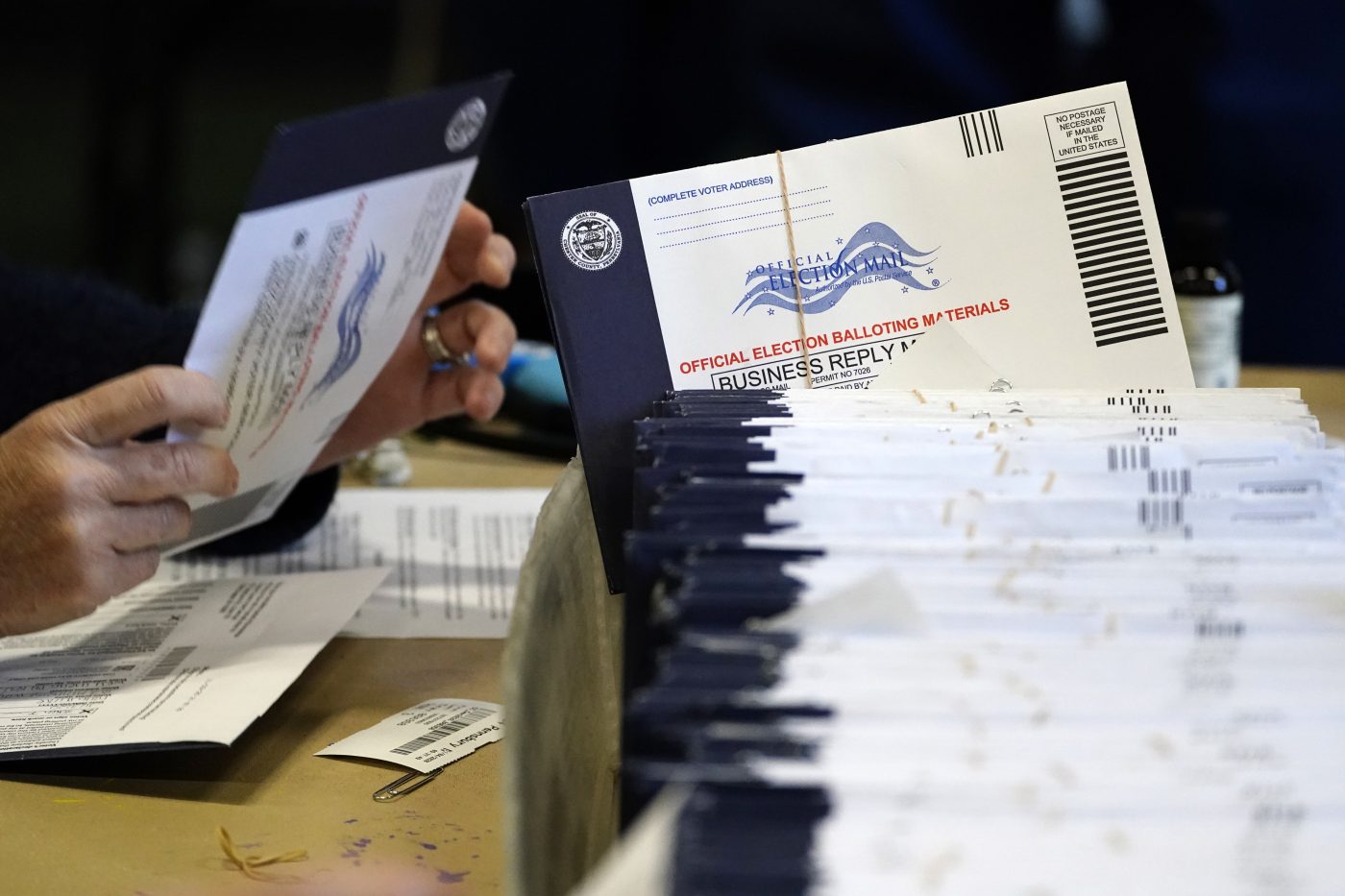
The American Postal Workers Union has entered the political fray over election methods with a new national advertising campaign championing mail-in voting. The initiative, titled "America Needs Vote by Mail," represents a direct organizational response to President Trump's escalating efforts to curtail the practice.
A Counter-Message to Executive Action
The union's advertisement features a cross-section of Americans—including a flight attendant, a college student, and a farmer—explaining their reliance on mailed ballots. The spot concludes with a unified call to action: "Vote by mail. Keep it. Protect it. Expand it." This messaging positions the APWU not just as a labor organization but as a defender of a specific voting mechanism, placing it at odds with the sitting president.
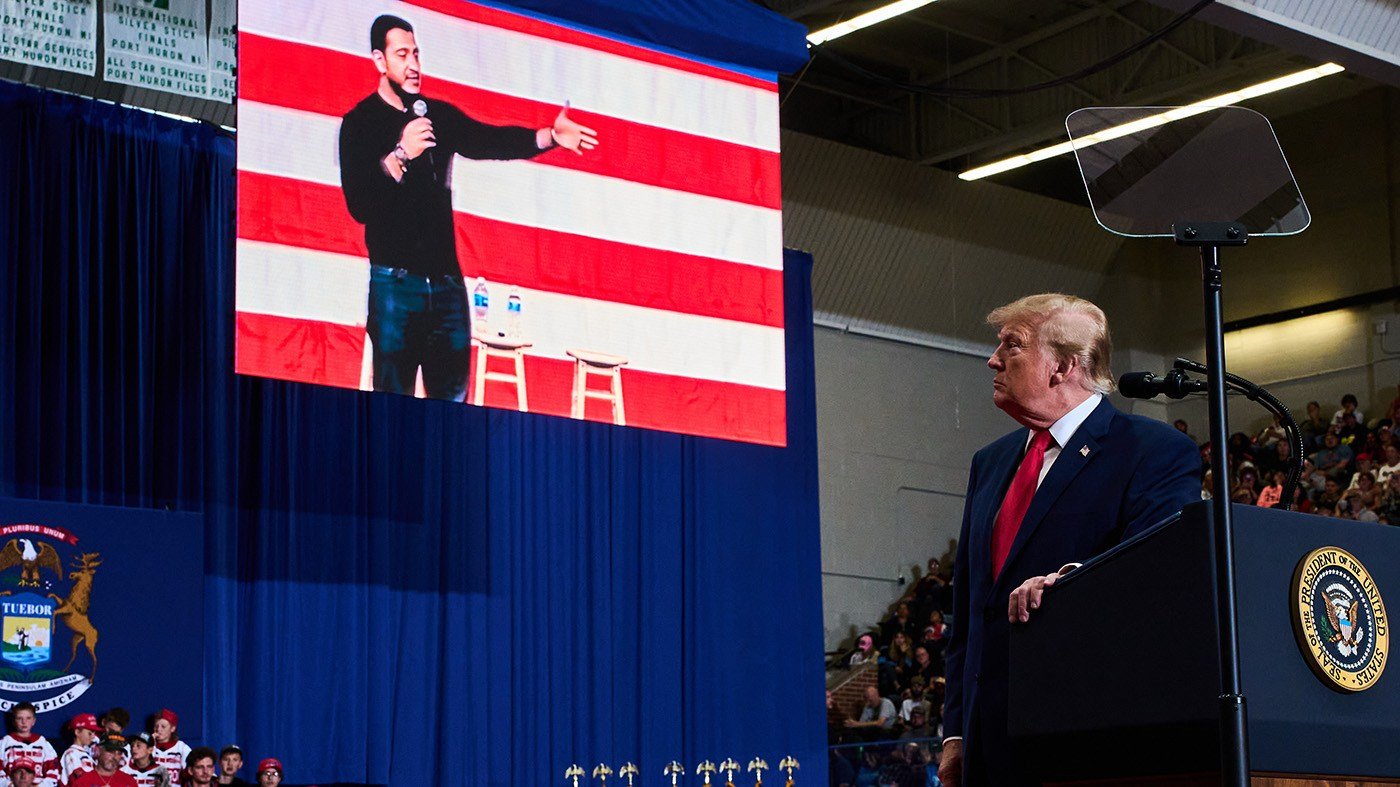
President Trump recently signed an executive order imposing new restrictions on mail-in ballots. The order mandates the creation of state-level lists of eligible voters and limits absentee ballots to individuals on those registries. During the signing, the president reiterated unsubstantiated claims about widespread fraud associated with mailed ballots, allegations repeatedly debunked by election officials and experts across both parties.
Legal and Political Repercussions
The executive action has triggered immediate legal pushback. Days after the order was issued, Democratic groups filed a lawsuit seeking to block its implementation. The complaint frames the order as an overreach of executive power and a threat to foundational democratic principles.
"Our Constitution's Framers anticipated this kind of desire for absolute power," stated Democratic election lawyer Marc Elias in the legal filing. "They recognized the menace it would pose to ordered liberty and the ways in which it would corrode self-government like an acid." Elias added that the constitutional system was designed specifically "to preserve the People's own sovereignty" and "resist that threat."
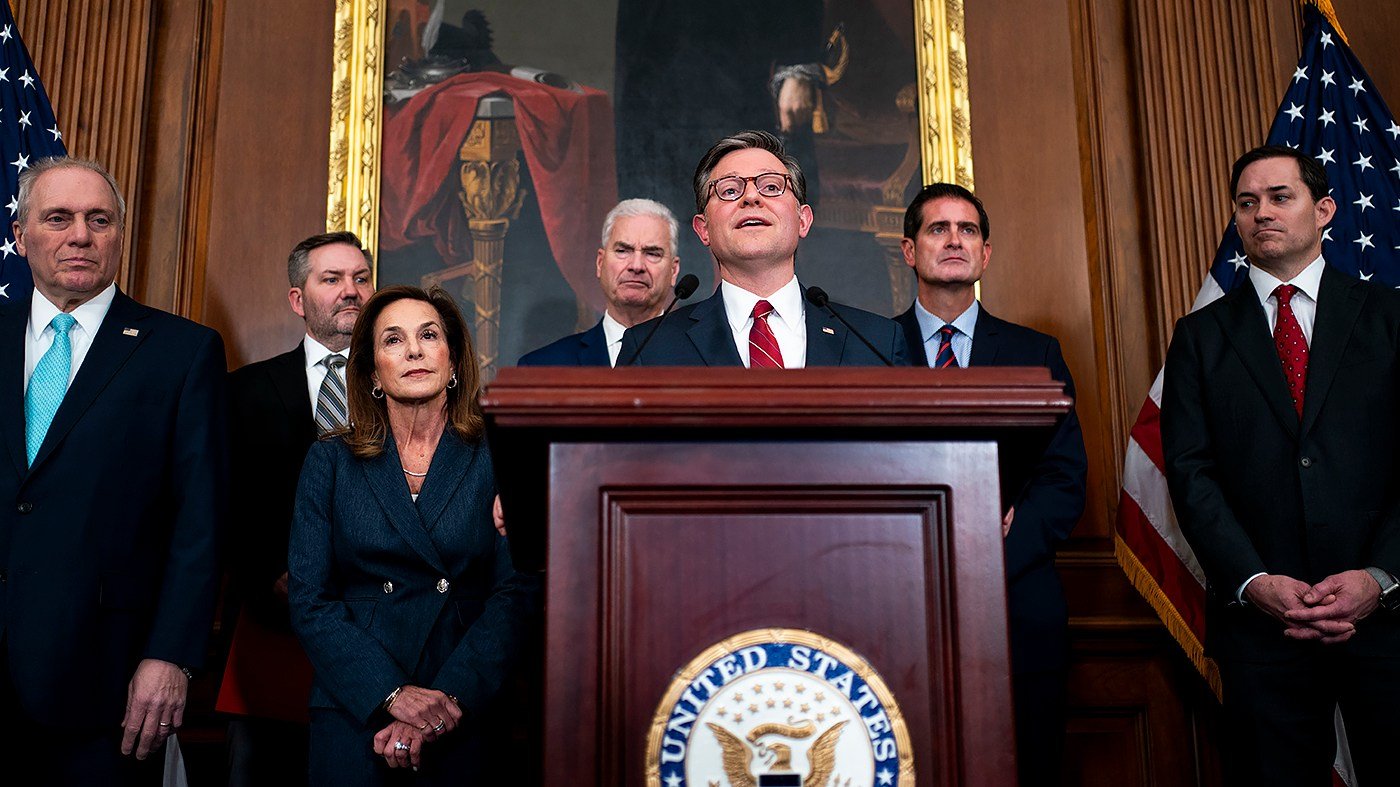
The APWU's campaign and the ensuing lawsuit highlight how voting procedures have become a central battlefield in American politics. The union's move is notable given its members' role in handling election mail, injecting a workforce perspective into a debate often dominated by partisan rhetoric. This dispute occurs alongside other intra-party tensions for the GOP, such as when Georgia Republican Representative Scott criticized Trump's inflammatory rhetoric on foreign policy and the use of AI-generated imagery.
Broader Context of Institutional Tension
The confrontation over mail voting is part of a wider pattern of institutional friction surrounding the Trump administration. Similar tensions have emerged within law enforcement bodies, evidenced by the Capitol Police Union's planned no-confidence vote against its commanders. Furthermore, the administration's actions continue to draw scrutiny from former allies, with Trump's recent conduct prompting renewed questions about his fitness from one-time supporters.
The APWU's decision to fund a national ad campaign signals that labor groups are prepared to spend political capital on this issue. It also reflects a calculation that public sentiment may favor accessible voting options, despite the president's assertions. The lawsuit from Democrats ensures the conflict will play out in the judicial arena, potentially delaying or altering the order's implementation as the election cycle intensifies.
Ultimately, the clash over vote-by-mail transcends a simple policy disagreement. It touches on core questions of electoral access, executive authority, and the integrity of the administration's stated justifications. As both sides dig in, the mechanics of how Americans cast their ballots remain a potent and deeply polarized issue with significant implications for the upcoming election.