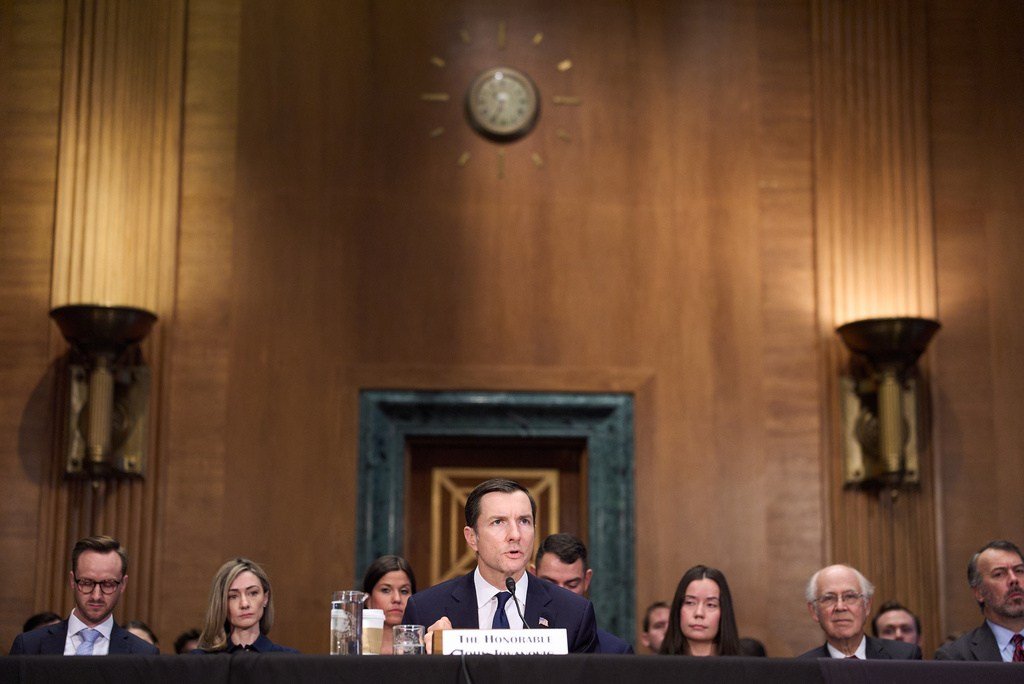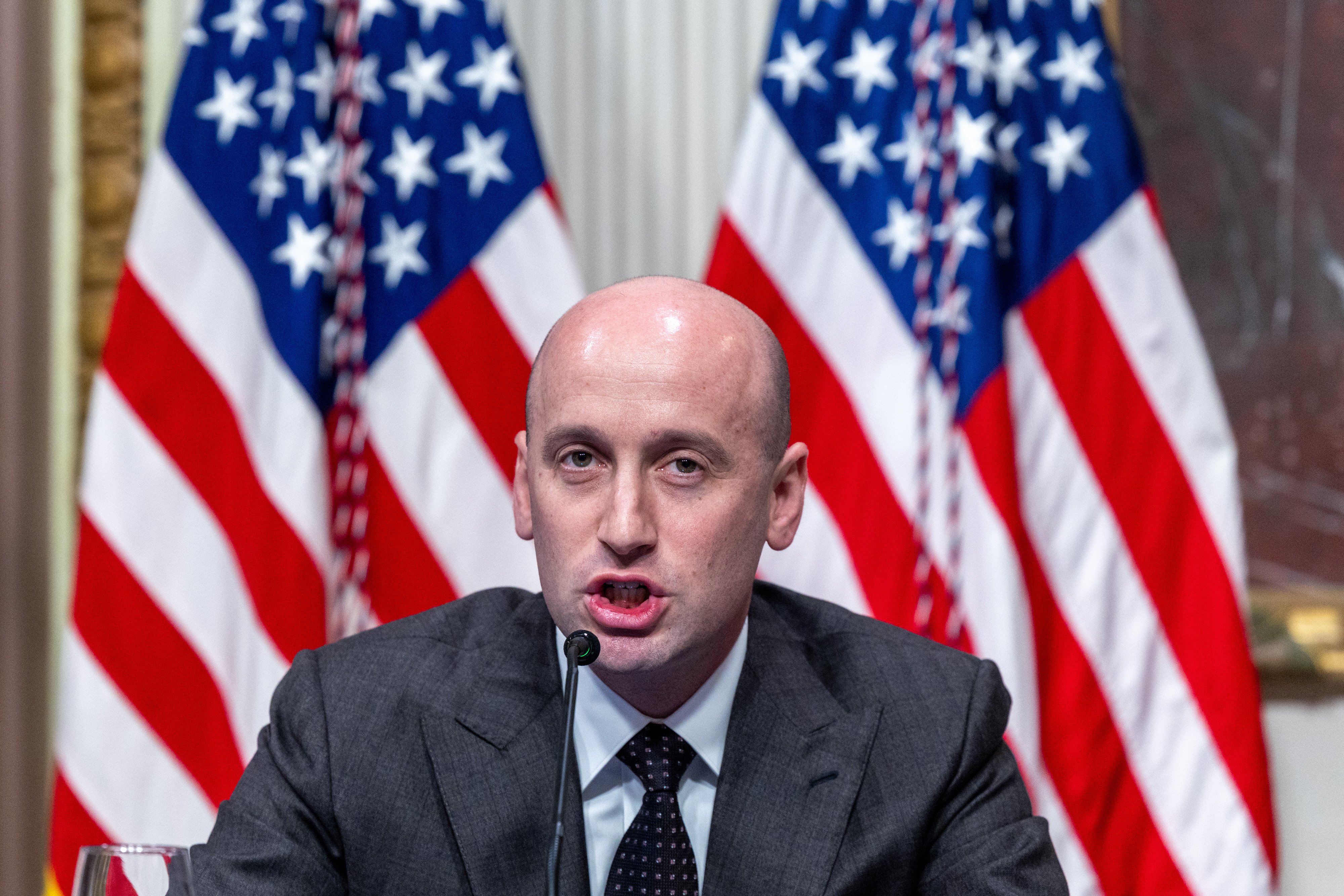
Senior Trump administration adviser Stephen Miller is spearheading a new effort to advance restrictive immigration policy, this time targeting children. According to reports, Miller is actively encouraging state legislators to introduce and pass bills that would limit public education funding exclusively to U.S. citizens and children with lawful immigration status. The explicit goal is to create a state-level legal test case to bring before the Supreme Court, challenging the decades-old precedent that guarantees all children access to public schools regardless of their immigration status.
Legal Foundation Under Direct Assault
This initiative directly confronts the landmark 1982 Supreme Court decision in Plyler v. Doe. In that ruling, the Court held that denying undocumented children a basic education violated the Equal Protection Clause of the Fourteenth Amendment. Writing for the majority, Justice William Brennan argued that such a denial would "foreclose any realistic possibility that they will contribute in even the smallest way to the progress of our nation." This precedent was later codified into federal statute in 1996, creating a dual legal barrier.
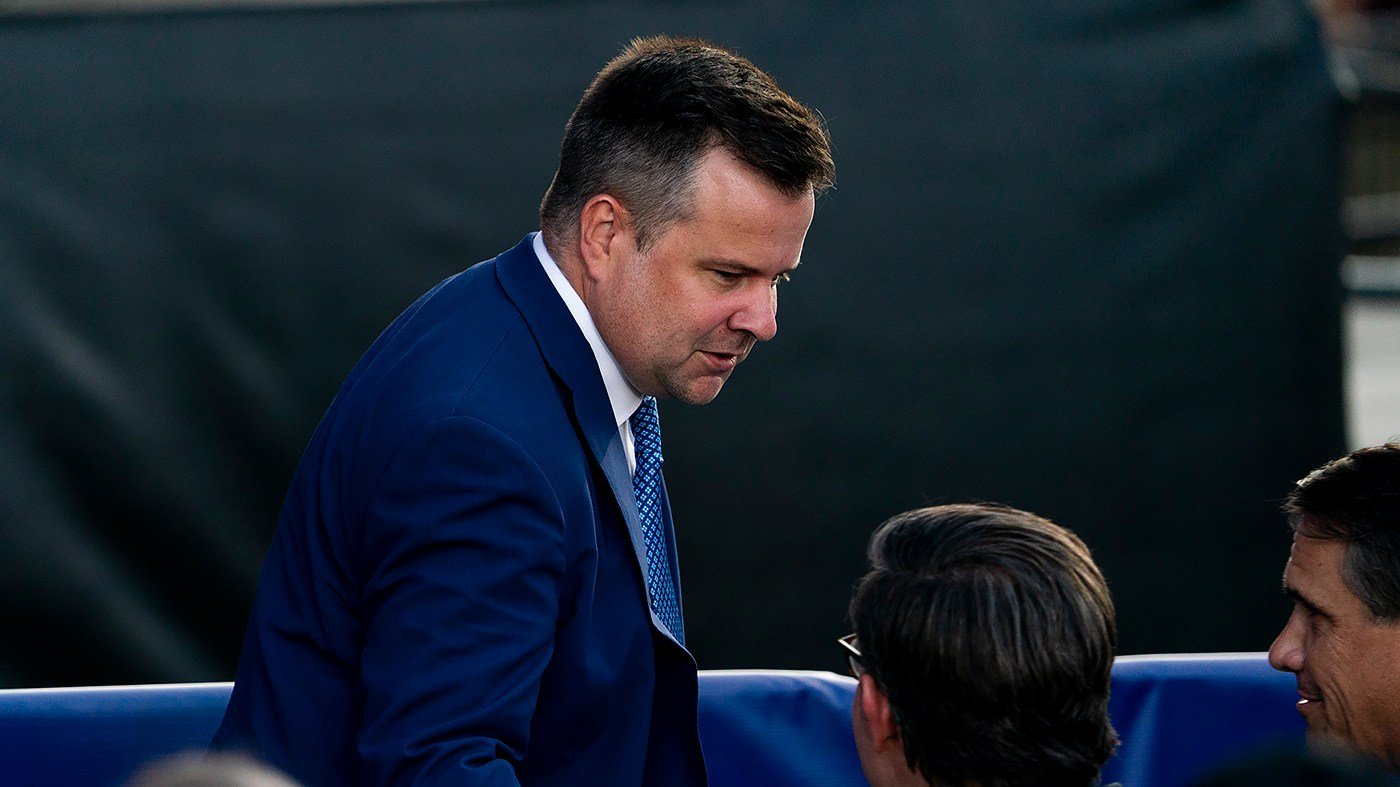
Miller's strategy, however, reflects a long-standing ambition within conservative legal circles to overturn Plyler. Advocacy groups like the Heritage Foundation argue that states should not be compelled to subsidize education for "illegal alien students," framing it as a drain on resources for American citizens. This perspective has gained traction among some Republican lawmakers; earlier this year, Representative Chip Roy of Texas, a candidate for state attorney general, publicly declared it was "time we meet the moment to overturn Plyler v. Doe."
Practical and Political Consequences
The practical implications of such a policy shift would be immense. With an estimated one million undocumented children aged 5-18 in the United States, states would be forced to implement costly verification systems. School officials would need training to evaluate complex immigration documents. An analysis by the Immigration Research Initiative projected that administrative costs for a state like Tennessee could reach $55 million in the first year alone, with recurring annual expenses.
Beyond the fiscal impact, the human cost would be severe. Creating a permanent underclass of uneducated youth runs counter to societal stability and economic growth. Research from the bipartisan group FWD.us indicates that the universal education guarantee from Plyler has boosted economic growth, reduced child poverty, and improved public health. Their analysis concludes that the lifetime state and local tax contributions from those educated under Plyler exceed the cost of their schooling by over $633 billion.
Politically, the move carries significant risk. The 1994 passage of California's Proposition 187, which sought to deny public services to undocumented immigrants, triggered a major backlash that realigned the state's politics. With recent polling showing only 35% of Americans view the Trump administration's immigration agenda favorably, state lawmakers may be wary of following Miller's counsel. This push also comes amid other contentious education debates, such as the Texas Education Board's proposal to mandate Bible readings in public schools.
A Broader Administration Agenda
Miller's education gambit is not an isolated policy but part of a broader, hardline immigration framework. It aligns with other aggressive administrative actions and rhetoric. For instance, Miller has previously made controversial claims about Democratic political tactics, including accusing Democrats of maintaining 'blackmail files' to control party members. The administration's foreign policy approach, which includes President Trump's stark threats against Iran, often features similarly confrontational language that draws criticism even from traditional allies.
Furthermore, the administration has shown a willingness to challenge judicial boundaries in other areas, as seen when Trump publicly attacked the Supreme Court over rulings on birthright citizenship and tariffs. The push on education access tests another pillar of established constitutional interpretation.
Ultimately, the debate transcends immigration policy and touches on a fundamental question about American society: whether public education is a universal right for children within the nation's borders. As legal scholars note, children have no agency over their parents' decision to cross borders without authorization. Denying them an education, advocates argue, punishes them for circumstances beyond their control and harms the nation's long-term social and economic fabric. While the future of Plyler may be uncertain, the battle lines for this significant legal and moral conflict are now being drawn in state legislatures across the country.