The unofficial campaign for the 2028 presidential election is accelerating, with prominent figures in both parties already positioning themselves for a run. This early maneuvering unfolds against the backdrop of the current midterm elections, where national political energy is being channeled into early state visits, policy speeches, and donor cultivation.
Democratic Field: A Search for a New Standard-Bearer
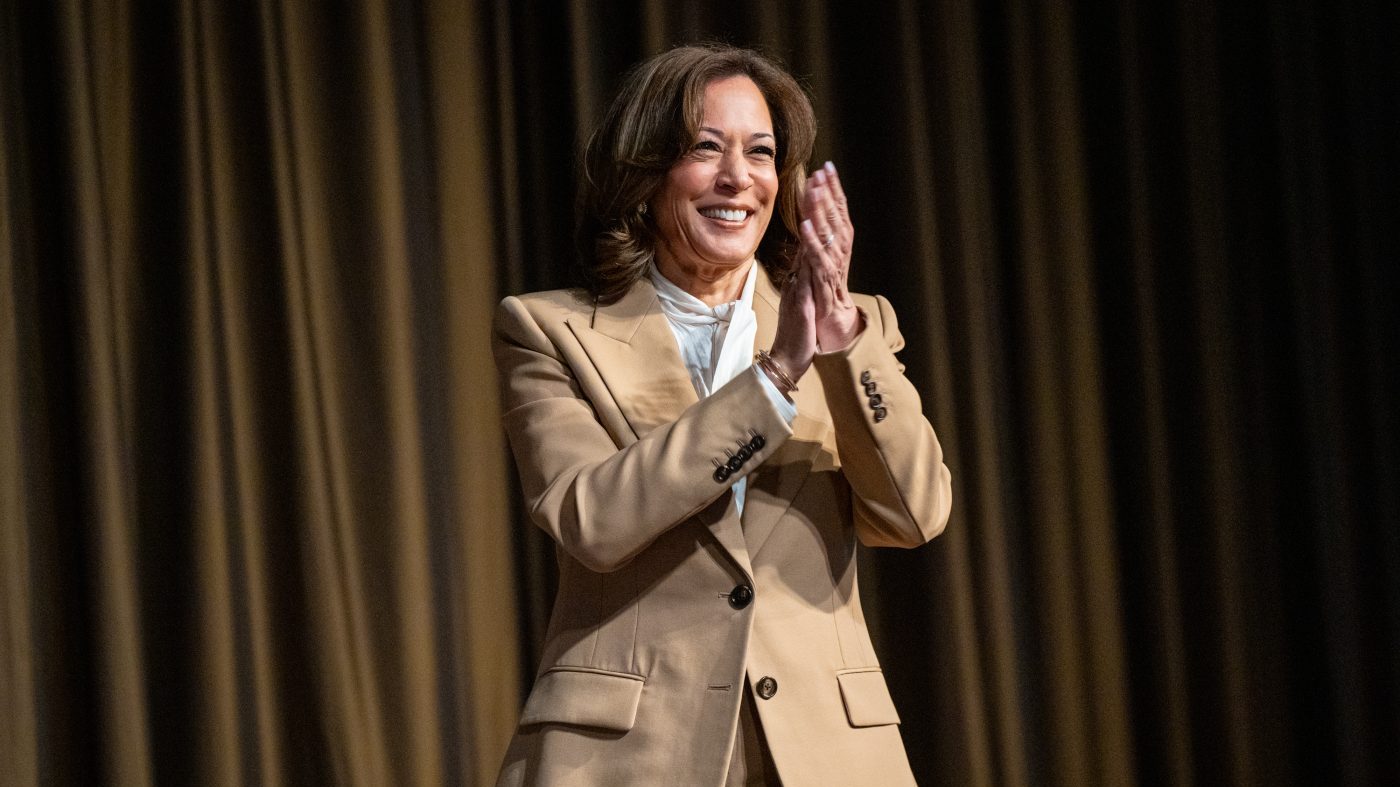
With the Democratic base actively seeking new leadership, a crowded field of potential contenders is emerging. Former Vice President Kamala Harris, the party's 2024 nominee, remains a focal point of speculation. At the recent National Action Network conference, Harris directly addressed a potential 2028 campaign, stating, "Listen, I might. I might. I'm thinking about it. I'll keep you posted." Her national book tour and decision against a California gubernatorial run have further fueled expectations of a comeback bid.
Other established figures are also in the mix. Transportation Secretary Pete Buttigieg, a 2020 presidential candidate, hinted at another run during the same conference, telling Rev. Al Sharpton to "save me a seat" at a symbolic restaurant from his last campaign. His choice not to pursue a Michigan Senate seat last year has opened the door to more presidential speculation.
Governors Enter the Fray
A significant bloc of potential Democratic contenders hails from the ranks of governors who have positioned themselves as leaders of the anti-Trump resistance. California Governor Gavin Newsom, who is term-limited, has been explicit about his national ambitions, telling CBS News he would "be lying" if he said he wasn't considering a post-2026 presidential run. He consistently polls just behind Harris in early surveys of the Democratic field.
Other governors used the NAN platform to signal their interest. Pennsylvania Governor Josh Shapiro, campaigning for reelection, said he wants to "be a part of that conversation" about the party's future direction. Maryland Governor Wes Moore, while focused on his own reelection this fall, challenged the party to "show me something now" and prove its momentum. Illinois Governor JB Pritzker praised the party's "pretty good bench" of potential candidates without ruling out a run of his own, committing to be "more involved than ever before" in the 2028 cycle. Names like Kentucky's Andy Beshear and Michigan's Gretchen Whitmer also circulate as potential candidates, leveraging book tours and media appearances to build national profiles. The open race to succeed Newsom in California will itself be a major political battleground with national implications.
Republican Succession: A Battle of Heirs
On the Republican side, the central question revolves around who will inherit the mantle of the MAGA movement. Vice President JD Vance has long been viewed as the heir apparent, a status reinforced by his victory in a recent CPAC straw poll and his lead in early 2028 primary polling. However, the political landscape is not settled. President Trump has repeatedly praised Secretary of State Marco Rubio's handling of global conflicts, spotlighting the former 2016 rival as a potential successor and reportedly posing the "Marco or JD" question to officials and donors.
This internal speculation comes as Vance takes a leading role in sensitive diplomatic negotiations, such as efforts to end the war in Iran, which serves as a key political test. The White House has dismissed the succession chatter, praising the "all-star team" in the cabinet. The dynamic underscores the unresolved direction of the GOP after more than a decade of Trump's dominance, a period marked by internal debates that sometimes spill into public view, such as when Trump dismisses conservative backlash over cultural issues.
The Long Game Begins
The early jockeying for 2028 demonstrates that the American presidential cycle is effectively a permanent campaign. For Democrats, the process represents a broad search for identity and leadership after recent electoral setbacks. For Republicans, it is a more contained but potentially volatile struggle to define the post-Trump era. As potential candidates from both sides use the midterms as a proving ground, their speeches, policy positions, and electoral successes this November will provide the first real metrics for their 2028 viability. The outcome of key races, like the redistricting battle in Virginia, will shape the political terrain on which this early primary is being fought.