A bipartisan group of House lawmakers on Monday introduced a companion measure to the Russia sanctions bill that cleared the Senate earlier this month, a largely symbolic step that nonetheless underscores the breadth of support for the measure in the lower chamber.
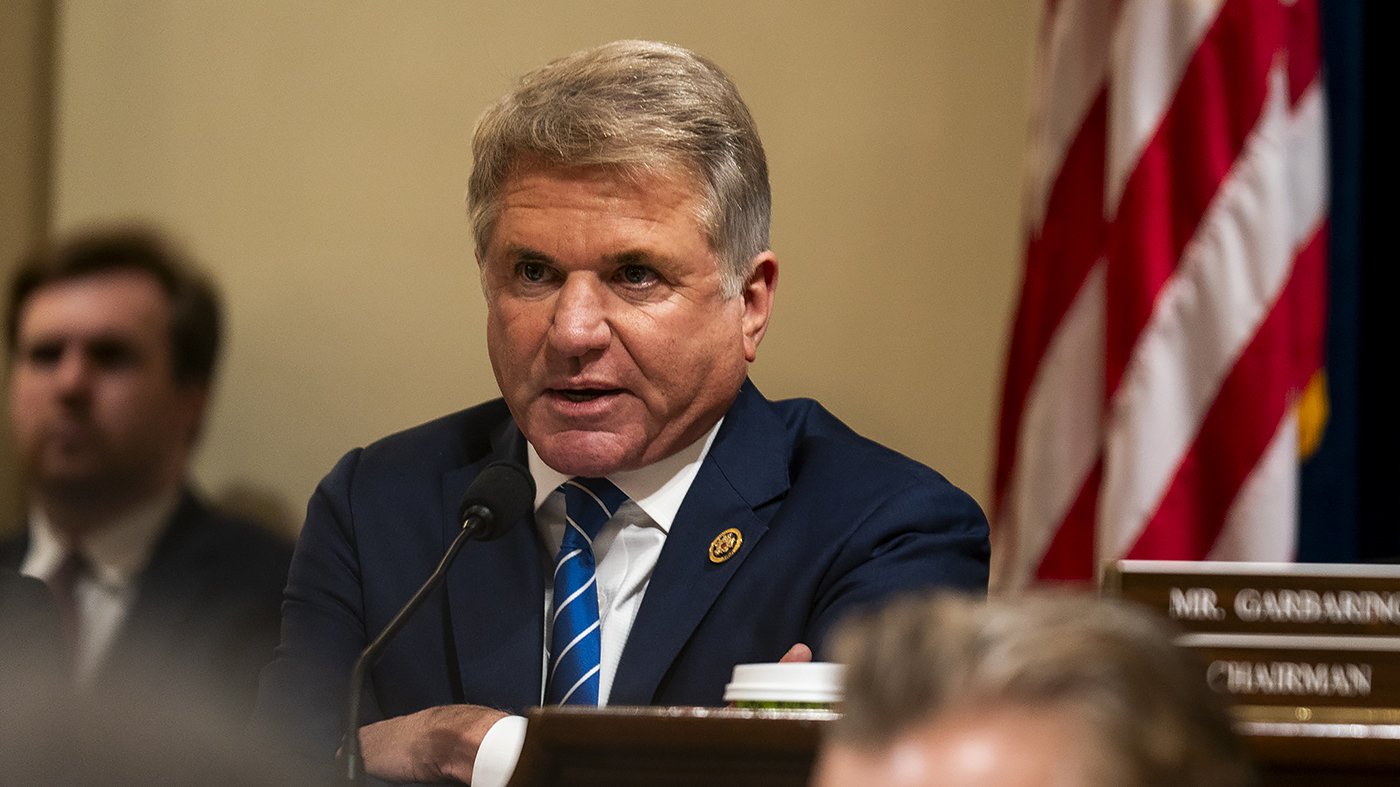
Representatives Michael McCaul (R-Texas) and Steny Hoyer (D-Md.) spearheaded the introduction of the Lindsey O. Graham Sanctioning Russia and Iran Act of 2026, joined by 16 other members from both parties. The bill is named for the late South Carolina senator who passed away unexpectedly last month, and it mirrors the Senate version that sailed through with an 86-11 vote.
The House version is textually identical to the Senate-passed legislation. While the House will eventually vote on the Senate-approved version, the companion bill serves as an informal whip count, allowing members to sign on as co-sponsors and signal their support ahead of a floor vote expected this fall. Under current plans, the House may consider the bill under suspension of the rules, which would prohibit amendments and require a two-thirds majority for passage.
However, President Trump has said he wants the bill amended to grant him tariff authorities over Iran, raising questions about whether the House will allow changes to the text. Despite that uncertainty, McCaul emphasized his commitment to moving the legislation forward, recalling a promise he made to Graham months ago.
“Senator Graham was a national security giant, a statesman of unmatched conviction, and a personal friend and mentor. We shared a fundamental worldview: America is strongest at home when it projects strength abroad,” McCaul said in a statement.
Hoyer called on the House to secure bipartisan consensus and send the bill to the president’s desk. “This action has been delayed too long and will, hopefully, accelerate Ukraine’s success and the ending of this war, one that was initiated illegally by [Russian President Vladimir] Putin and that has resulted in tens of thousands of deaths of Russians and Ukrainians,” he said.
The original co-sponsors joining McCaul and Hoyer include a roster of lawmakers with strong national security and Ukraine-focused credentials: Joe Wilson (R-S.C.) and Marcy Kaptur (D-Ohio), who co-chair the Congressional Ukraine Caucus; Brian Fitzpatrick (R-Pa.), another caucus co-chair; Don Bacon (R-Neb.), co-chair of the House Baltic Caucus; House Armed Services Committee Chairman Mike Rogers (R-Ala.); and Representatives Jake Auchincloss (D-Mass.), Jill Tokuda (D-Hawaii), Mike Turner (R-Ohio), Gabe Vasquez (D-N.M.), Ann Wagner (R-Mo.), Josh Gottheimer (D-N.J.), Andy Barr (R-Ky.), Ed Case (D-Hawaii), Eugene Vindman (D-Va.), Nathaniel Moran (R-Texas), and Chrissy Houlahan (D-Pa.).
The introduction comes as the Senate’s sweeping sanctions package remains a top priority for many lawmakers who want to maintain pressure on Moscow over its invasion of Ukraine. The legislation also extends measures against Iran, reflecting the dual-threat approach championed by Graham.
While the House companion bill is not itself the vehicle for final passage, its broad bipartisan backing suggests the Senate version is likely to receive strong support when it reaches the floor. The move also carries symbolic weight, honoring Graham’s legacy at a time when the Pentagon has renamed a base in his honor.
With the fall vote approaching, the whip count will be closely watched, particularly given Trump’s push for amendments. But for now, the bipartisan introduction signals that the House is ready to act on one of the most significant pieces of foreign policy legislation this year.